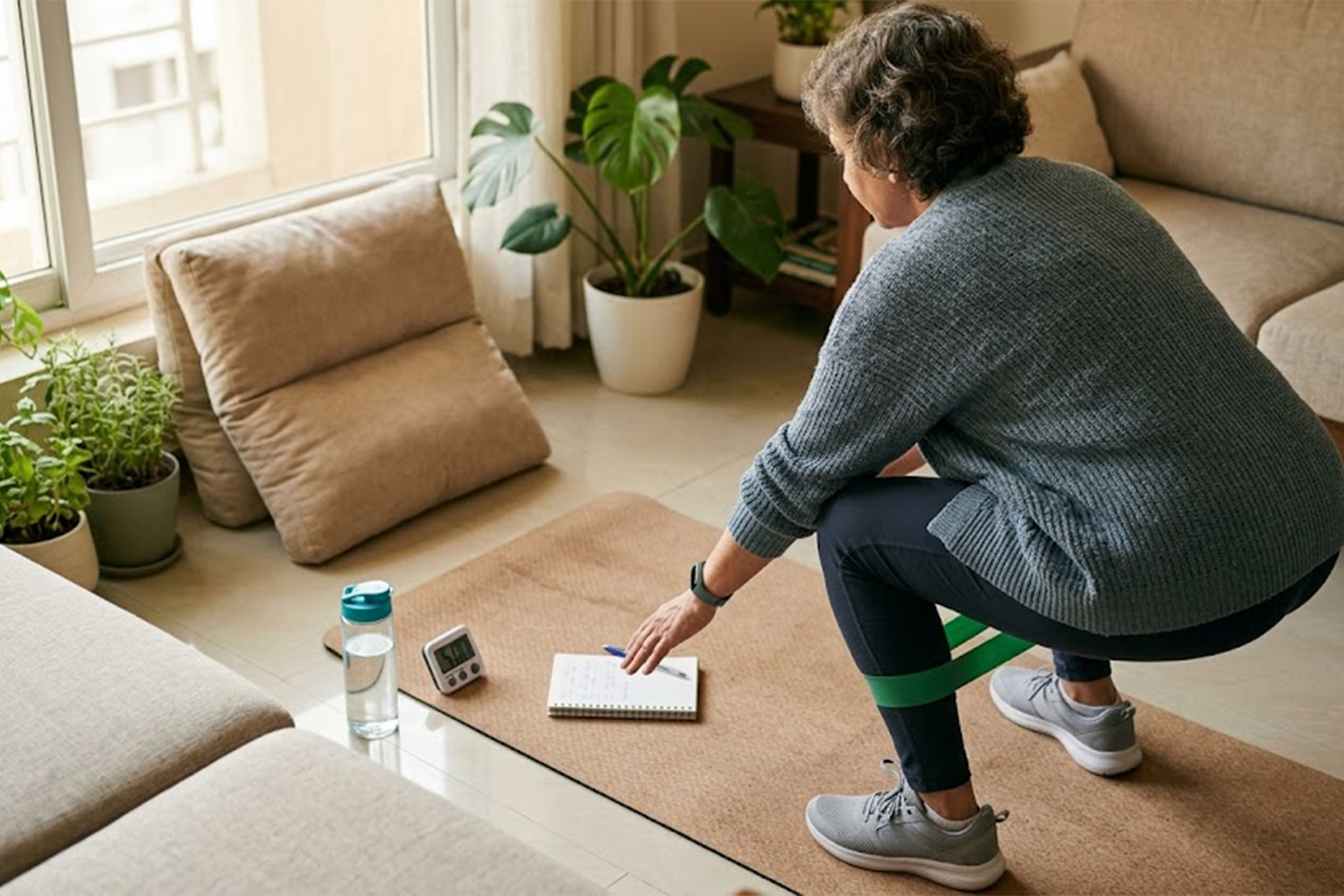
Persistent musculoskeletal pain often responds best to steady, manageable changes rather than quick fixes. Small improvements in strength, flexibility and daily pacing can reduce sensitivity and improve function over time. A home-based approach emphasizes consistency, safety and gradual progression tailored to individual tolerance. This article outlines practical, evidence-informed strategies to help you move with less pain and more confidence.
Understanding small, consistent changes
Focusing on small, consistent activity targets helps retrain movement patterns without provoking flare-ups. Neural sensitivity and muscle deconditioning both improve when stimulus is predictable and gradually increased. Set attainable goals, track brief progressions and prioritize quality of movement over quantity. Regular feedback from simple self-checks can prevent overdoing and support steady gains.
Begin with low-dose activity that you can repeat reliably; small wins build tolerance and confidence. Over weeks and months, these changes compound into improved daily function.
Safe strength and mobility progressions
Low-load strength exercises and gentle mobility drills reduce strain while rebuilding capacity. Prioritize compound movements that mimic daily tasks and use pain as a guide rather than a strict limit. Aim for short sessions several times per week with slow progression and scheduled rest. If an activity repeatedly worsens symptoms, modify the load, break it into smaller parts or seek professional advice.
Balance challenge and recovery: mild, transient discomfort that settles is often part of progress, but persistent worsening signals the need to scale back and reassess.
Practical home habits and environment
Small adjustments to your home environment and daily routine reduce mechanical stress and support recovery. Ergonomic chairs, regular micro-breaks, supportive footwear and mattress choices all influence symptom levels. Use simple self-care tools like heat for stiff areas, or brief icing after higher-intensity effort, based on what helps. Attention to sleep, hydration and anti-inflammatory nutrition patterns can also support tissue repair and energy for activity.
- Start with two to three brief sessions daily, then space them out.
- Keep a comfort log to note triggers and helpful strategies.
- Schedule movement into your day like appointments.
These modest changes reduce cumulative load and make movement feel more achievable. Small, consistent habits are easier to maintain and adapt over time.
Pacing, tracking and realistic goal setting
Use simple self-rating scales to distinguish safe activity soreness from harmful flare-ups and guide daily choices. Graded exposure—slowly increasing time or load—reduces fear of movement while building tolerance. Record short notes on what you did, how you felt and any limits; patterns often reveal small wins to build on. Break larger goals into weekly micro-goals and celebrate stable adherence rather than momentary reductions in pain.
Trust gradual improvements and adapt when setbacks occur; they are a normal part of recovery. Consistent tracking helps you keep progress objective and maintain motivation over months.
Conclusion
Reducing persistent pain at home starts with realistic, measurable steps and safe progression. Focus on consistent low-load practice, thoughtful environment tweaks and pacing to build resilience. When needed, coordinate with a healthcare professional to refine your plan.