Recovering movement at home often feels like a balancing act between caution and forward progress. Small, consistent adjustments to your environment and routine make the difference more than long, taxing sessions. This article outlines concrete, manageable steps you can use each day to protect healing and rebuild function. Aim for steady improvement rather than dramatic leaps.
Assess and Adjust Your Space
Start by walking through the rooms you use most and note any tripping hazards or awkward reaches. Remove loose rugs, relocate frequently used items to waist or eye level, and add a stable chair in high-traffic areas so you can rest when needed. Consider simple supports like non-slip mats in the bath and a nightlight for hallways to reduce sudden movements at night. These small changes reduce the chance of setbacks and make daily movement less stressful.
Don’t feel the need to overhaul everything at once; prioritize the two or three changes that address your current limitations. Clear, visible improvements can increase confidence and free up energy for targeted practice.
Short Movement Sessions Focused on Function
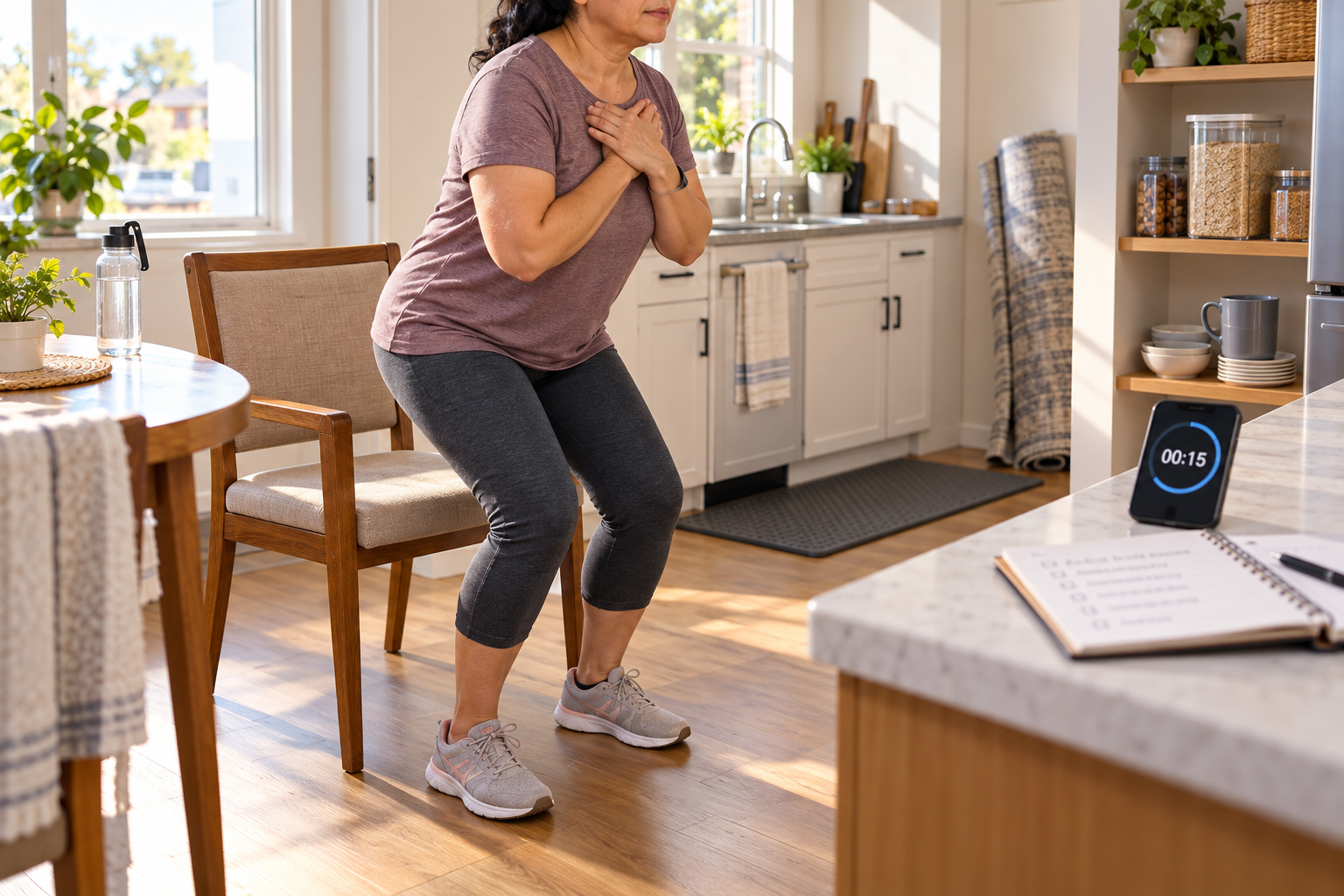
Rather than long workouts, build several short sessions into your day that mimic everyday tasks: sit-to-stand repeats, controlled steps along a hallway, or gentle reach-and-lift motions with a light object. Keep sessions brief — five to ten minutes — and focus on quality: steady pace, good posture, and controlled breathing. If a movement increases sharp pain or swelling, stop and rest, then try a gentler version later. Small, frequent practice helps coordination and endurance without overwhelming healing tissues.
Use a simple timer and write down what you did and how it felt; clear records show progress and identify patterns that need adjusting. Over weeks, you can increase repetitions or add a balance challenge as tolerance allows.
Monitor Symptoms and Stay Practical
Pay attention to how activities affect pain, swelling, and energy the next day — that feedback is your best guide to safe progression. If you notice consistent worsening, pause and seek professional input rather than pushing through. Track non-pain signals too: ease of movement, confidence on stairs, and how long you can stand comfortably all matter. Small gains in these areas are meaningful signs of recovery.
Set realistic, measurable goals such as ‘‘walk to the mailbox twice’’ or ‘‘stand from the couch without using hands’’ and celebrate when you reach them. Practical targets keep you motivated and focused on daily life activities rather than abstract measures.
Conclusion
Small, regular adjustments to your home and routine protect healing while encouraging steady gains. Focus on short, purposeful movement sessions and record how you feel to guide progress. Keep goals practical and consult a clinician if symptoms worsen.