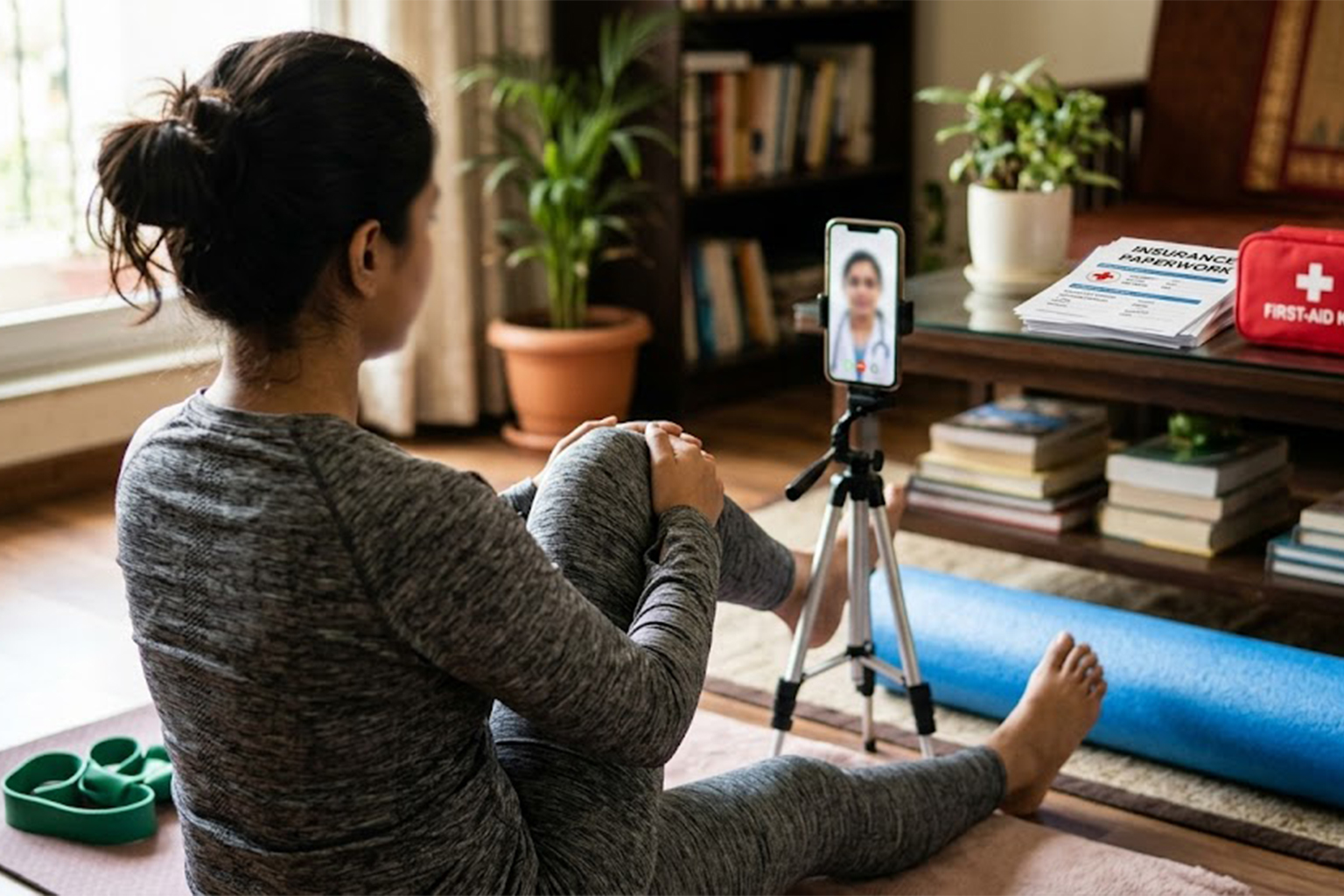
Managing persistent musculoskeletal pain at home is most effective when small, consistent choices support movement, strength, and rest. A balanced approach reduces flare-ups and improves day-to-day function without relying on intense interventions. This article outlines practical, adaptable strategies you can use with minimal equipment and realistic time commitments. Use these ideas to build a sustainable routine that respects current limits while progressing safely.
Pacing and Movement
Start by breaking tasks into manageable chunks and alternating activity with brief periods of rest to avoid overload. Aim for short, frequent sessions of gentle movement rather than occasional long efforts to reduce the chance of flares. Introduce graded exposure by slowly increasing duration or intensity by small amounts each week to build tolerance. Learn to distinguish between manageable soreness and warning signals that require pause. Track activities and pain levels so you can recognize patterns and adjust pacing proactively.
Focus on movement quality and breathing to minimize strain. Consistency matters more than intensity early on. Celebrate small wins to maintain motivation.
Strength and Flexibility
Targeted strength work supports joints and reduces compensatory stress, while flexibility helps maintain range without forcing motion. Start with simple, low-load exercises two to three times a week and progress slowly as tolerance improves. Prioritize control over repetitions and allow a day of recovery between higher-effort sessions. Maintain steady breathing and good alignment to protect tissues and maximize benefit.
- Bodyweight squats or sit-to-stands — two sets of 8–12 to build leg support.
- Resistance band rows — 2–3 sets focusing on scapular control.
- Gentle hamstring and calf stretches held 20–30 seconds each.
If strength work triggers a sustained increase in pain, reduce the load and slow progression. A therapist can tailor progressions when needed to keep you moving forward safely. Gradual gains reduce recurrence risk.
Environment and Recovery Habits
Optimize daily ergonomics to avoid prolonged static loading—adjust seating, use supportive cushions, and vary positions frequently. Recovery habits such as sleep quality, hydration, and targeted heat or cold application can modulate pain and speed recovery. Incorporate short walks, mindful pauses, and stress-management practices to reduce sensitivity that comes from tension. Keep a simple log of sleep, stress, and activity to see what correlates with flares and adjust accordingly.
Small environmental changes often yield noticeable benefits. Make one adjustment at a time and reassess after a week to see real effects. Document small improvements to encourage continuation.
Monitoring and Professional Support
Regular monitoring of symptoms and function helps you adapt the plan before setbacks occur. Use simple scales, activity logs, or apps to note what helps and what doesn’t, and identify trends over weeks rather than reacting to a single day. Share this information with a clinician or therapist to refine progression and to rule out red flags that need further evaluation.
Early consultation is valuable when pain increases or new symptoms appear. Appropriate guidance speeds recovery and keeps progress steady.
Conclusion
Prioritize pacing, gradual strengthening, and sensible recovery.
Small, consistent steps build durable improvement.
Seek professional advice if pain worsens or limits activity.