Introduction
Small, consistent food choices power more productive home workouts and faster recovery. Focusing on whole foods and simple timing changes reduces fatigue and supports strength gains. You don’t need complicated diets to see measurable differences in energy and performance. This article outlines practical, sustainable tweaks you can apply today.
Fueling Morning Workouts
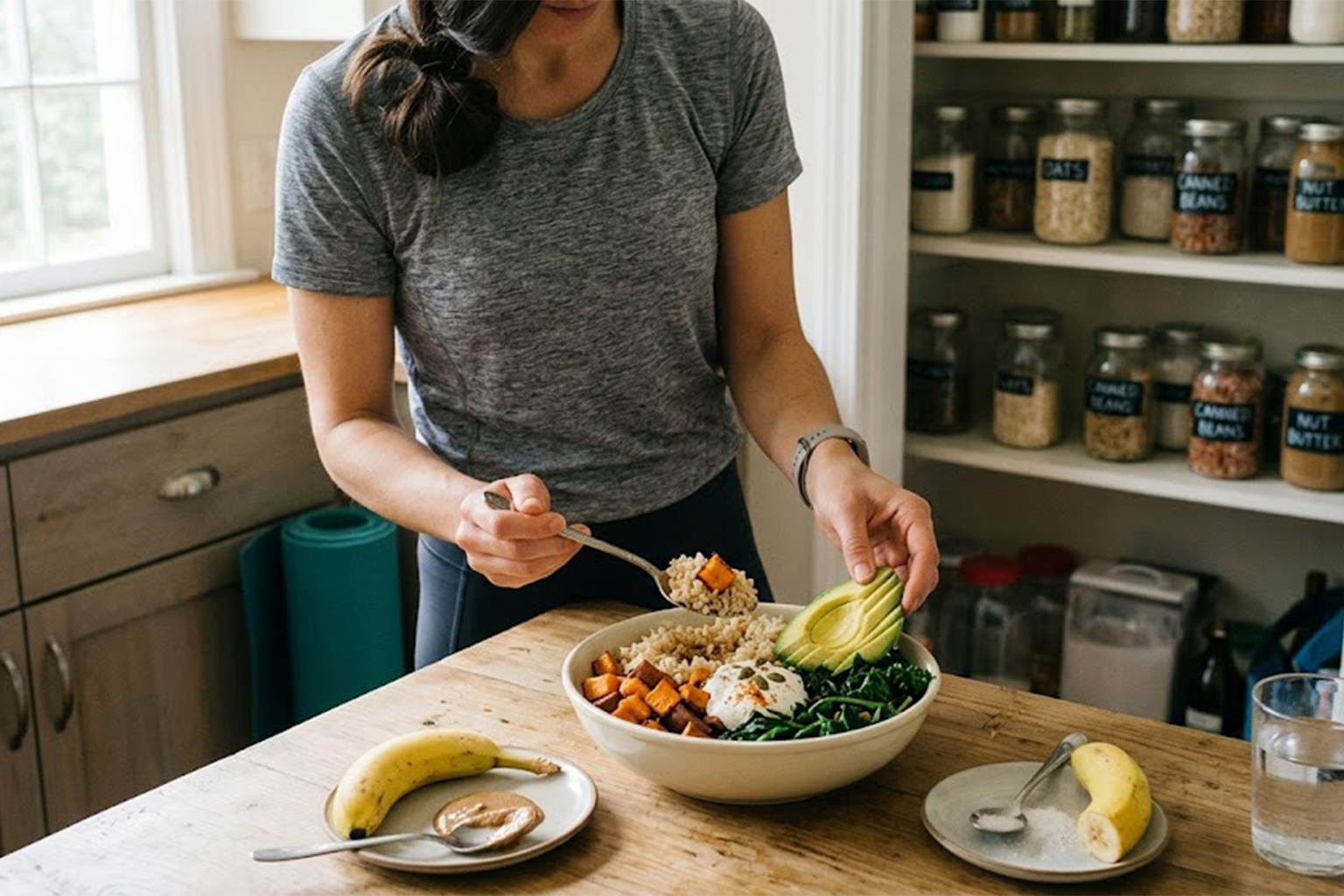
Before early exercise, aim for a light blend of carbohydrates and a touch of protein to stabilize blood sugar without causing discomfort. A small banana with a spoon of nut butter or a slice of toast and yogurt provides quick energy and easy digestion. Hydration also matters: start with a glass of water and consider a pinch of salt in longer sessions to support electrolyte balance.
These choices help maintain intensity and focus during morning sessions. Keep portions modest so you can move freely and avoid sluggishness.
Quick Balanced Meals for Recovery
After workouts, prioritize a mix of protein, carbohydrates, and vegetables within an hour to support muscle repair and replenish glycogen. Protein helps rebuild fibers stressed by training while carbs restore energy stores and support subsequent workouts. Including colorful vegetables adds micronutrients and fiber that support overall recovery and immune function.
- Lean protein: eggs, Greek yogurt, tofu, or canned tuna.
- Carbohydrates: sweet potato, brown rice, whole-grain bread.
- Veggies and healthy fats: leafy greens, avocado, olive oil.
Simple meals like a grain bowl, omelet with veggies, or a smoothie with protein powder can cover these needs without lengthy prep. Aim for consistency rather than perfection to build a reliable routine.
Smart Snacking and Pantry Picks
Snacks bridge the gap between meals and fuel short training sessions while helping to prevent energy crashes. Keep portable options on hand such as mixed nuts, whole fruit, hummus with carrots, or small portions of cheese and crackers. A modest combination of protein and carbs in snacks will sustain energy and curb overeating at the next meal.
- Staples to stock: oats, canned beans, nut butters, frozen vegetables, and whole grains.
- Quick protein sources: canned fish, Greek yogurt, cottage cheese, protein powders.
Organizing your pantry with these basics simplifies meal building and reduces reliance on processed convenience foods. Rotate staples weekly to keep meals varied and enjoyable.
Conclusion
Implementing modest, consistent nutrition changes yields noticeable benefits for at-home training.
Focus on balanced meals, sensible timing, and smart pantry choices to support energy and recovery.
Small adjustments sustained over time will compound into stronger, more consistent workout results.