Persistent muscle and joint discomfort often responds best to steady, achievable habits rather than dramatic fixes.
This article outlines practical at-home approaches that emphasize pacing, gradual strengthening, and daily setup adjustments.
The goal is improved comfort and function through consistent small steps that fit into regular life.
These ideas are intended to be educational and adaptable to varied abilities.
Movement and pacing
Begin with short, frequent movement bouts that focus on smooth, controlled patterns rather than intensity or speed. Aim for gentle range-of-motion sequences that keep tissues mobile and reduce stiffness without provoking flare-ups. Use timers or phone reminders to break long periods of sitting into predictable, low-effort breaks that restore circulation. Over days and weeks, slightly increase the duration of active periods while monitoring comfort and energy.
Consistent pacing helps prevent boom-and-bust cycles that can derail progress. Prioritize quality of movement and modest progression to build tolerance safely.
Strength and mobility for daily tasks
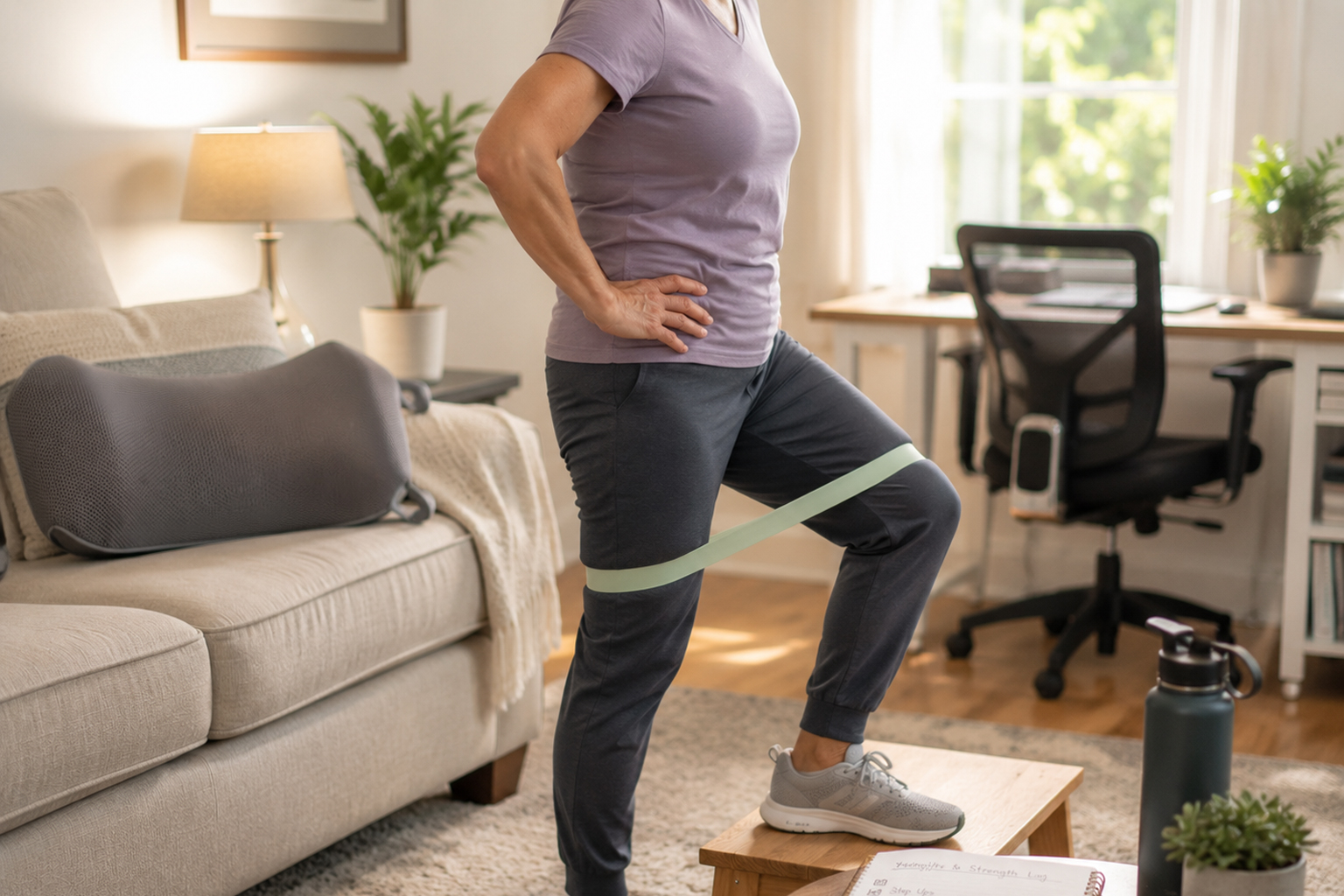
Target low-load strength work that supports everyday activities: hip and shoulder stabilization, core support, and ankle control. Choose exercises that are reproducible at home using bodyweight, bands, or light household items and perform them two to four times per week. Complement strength with mobility drills that address joint-specific limits, ensuring movement variety rather than forcing aggressive stretches. Progress is best measured by improved function and reduced task-related discomfort rather than by pain elimination alone.
Small, regular strength sessions build resilience over weeks. Keep routines simple and focused on movements you use often in daily life.
Ergonomics and recovery habits
Adjust home workstations, seating, and sleeping positions to support neutral alignment and ease load on sensitive areas. Simple changes—like seat height, lumbar support, and reachable storage—reduce repetitive strain across the day. Incorporate basic recovery measures such as planned rest breaks, gentle self-massage, or heat applied for short periods when helpful for comfort. Prioritize sleep quality through consistent schedules and a calming pre-sleep routine to support tissue recovery.
Thoughtful environmental tweaks reduce cumulative stress and make movement easier. Recovery routines amplify the benefits of active practice without adding burden.
Tracking progress and recognizing limits
Keep a brief log of daily activity, perceived exertion, and symptom trends so you can spot patterns and adjust plans. Use simple measures like task ease, sleep quality, and ability to increase repetitions or time as markers of improvement. If pain changes dramatically, becomes associated with new neurological signs, or limits basic activities, consult a qualified clinician for targeted evaluation before intensifying home efforts. Use tracking to guide safe, evidence-informed adjustments rather than chasing immediate results.
Objective notes help maintain realistic expectations and steady progress. When in doubt, seek personalised assessment to refine your approach.
Conclusion
Stable improvement usually comes from consistent, modest actions tailored to daily life.
Combine gentle movement, practical strengthening, and ergonomic sense to reduce strain over time.
Track small wins and consult a professional when unexpected changes occur.