Persistent muscle and joint discomfort often responds best to steady, thoughtful changes at home rather than sudden fixes. A practical at-home approach balances small progressive challenges, careful rest, and smarter daily setups to reduce strain. This article outlines simple steps you can apply without special equipment to support safer movement and improved comfort. The guidance focuses on pacing, gentle strengthening, movement variety, and consistent monitoring.
Start with practical assessment and pacing
Begin by noting which activities increase or ease symptoms and set realistic short-term goals based on those observations. Use brief activity bursts with planned rest—shorter, more frequent movement sessions often build tolerance faster than pushing through flare-ups. Learn to distinguish discomfort that signals adaptation from sharp pain that suggests harm, and adjust intensity accordingly. This approach reduces the risk of setbacks while allowing gradual improvement.
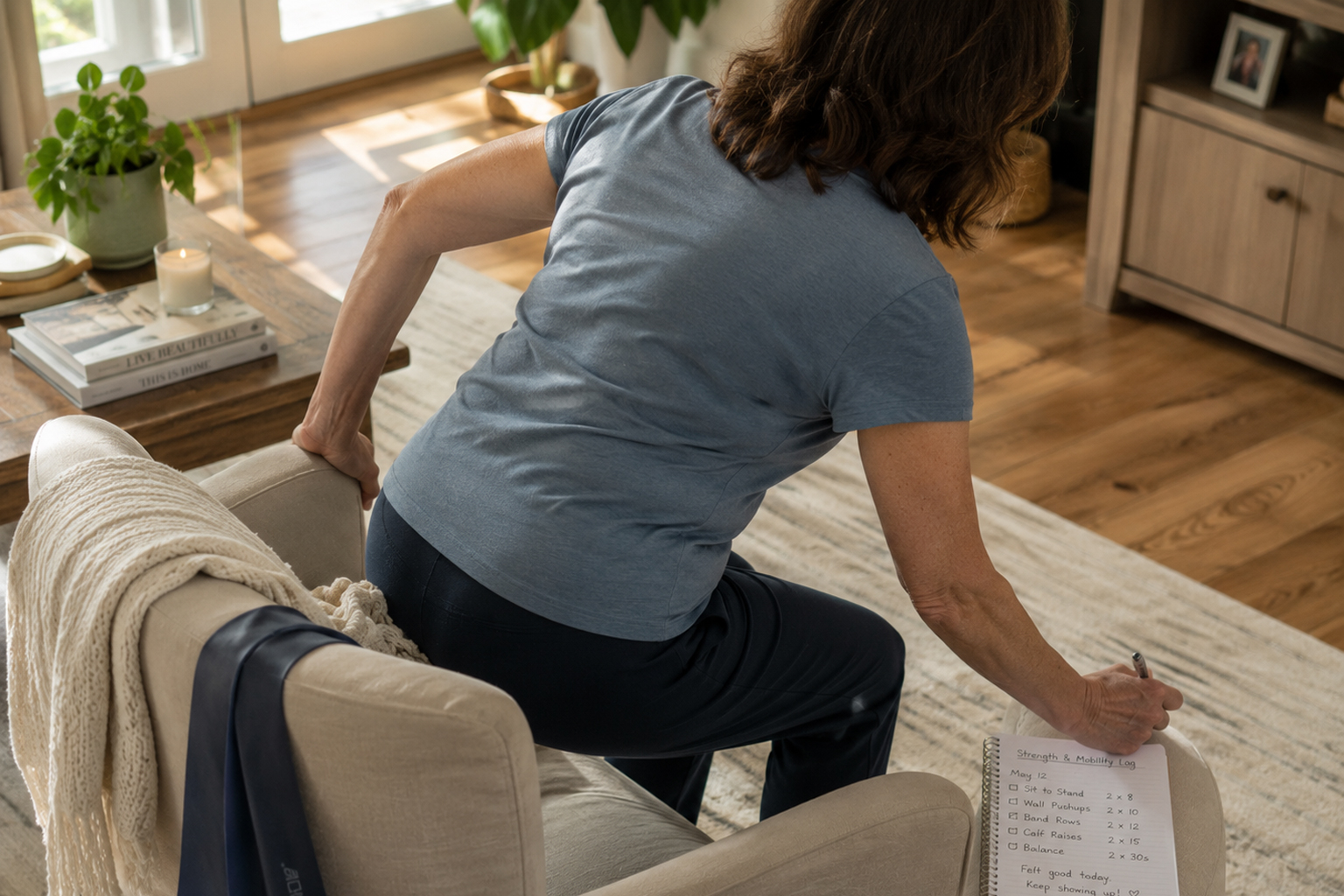
Simple self-assessment tools—like a daily activity log or a pain scale—help maintain realistic pacing. Over weeks, small increases in duration or repetitions can add meaningful gains without provoking flare-ups.
Gentle strength and mobility progressions
Prioritize low-impact, functional movements that target the muscles around affected joints and the core that supports posture. Use bodyweight exercises, resistance bands, or household items to add manageable load and focus on slow, controlled repetitions. Include mobility work that gently explores full ranges of motion without forcing positions, and repeat these practices most days to reinforce movement patterns. Consistency and gradual progression are more important than intensity for durable improvements.
Rotate exercises to avoid overload and to build balanced strength across regions. Aim for steady, measurable progressions such as adding a few repetitions, a small weight, or an extra set every one to two weeks.
Optimize your daily setup and movement economy
Small environmental changes reduce strain throughout the day: adjust chair height, position frequently used items within easy reach, and plan movement breaks during prolonged sitting. Focus on neutral spine alignment during tasks and on smooth transitions between positions—stand up, move, and reset posture regularly. Consider footwear, mattress support, and pillow placement as part of a broader strategy to maintain alignment and reduce morning stiffness. These adjustments preserve energy and lower cumulative load on tissues.
Habitual improvements compound over time, making routine activities less provocative and more sustainable. Simple ergonomic shifts often deliver immediate relief when paired with movement habits.
Track symptoms, adapt, and seek guidance
Keep a weekly record of activities, symptom patterns, and what eases discomfort to inform gradual program changes. If progress stalls or pain worsens despite careful pacing and sensible modifications, seek a qualified clinician for targeted assessment and individualized advice. Professionals can identify red flags that need earlier attention and suggest tailored progressions or hands-on strategies when appropriate. Collaboration speeds recovery and reduces unnecessary setbacks.
Monitoring creates clarity about what works and what needs adjustment, supporting smarter decisions as you rebuild resilience. Use data from your tracking to guide incremental changes rather than guessing.
Conclusion
Building resilient movement at home relies on steady pacing, gentle strength, and thoughtful daily setups that reduce repetitive strain. Small, consistent actions reinforced by tracking and professional input when needed lead to meaningful gains in comfort and function. Start modestly, adapt as you learn, and prioritize sustainable habits for long-term benefit.