Recovering from persistent musculoskeletal pain starts with small, intentional steps.
Rebuilding confidence in movement is as important as reducing symptoms and requires a clear plan.
This article outlines pragmatic strategies you can use at home to improve function without flaring pain.
Use these approaches to progress safely and regain control over daily activities.
Set realistic, measurable goals
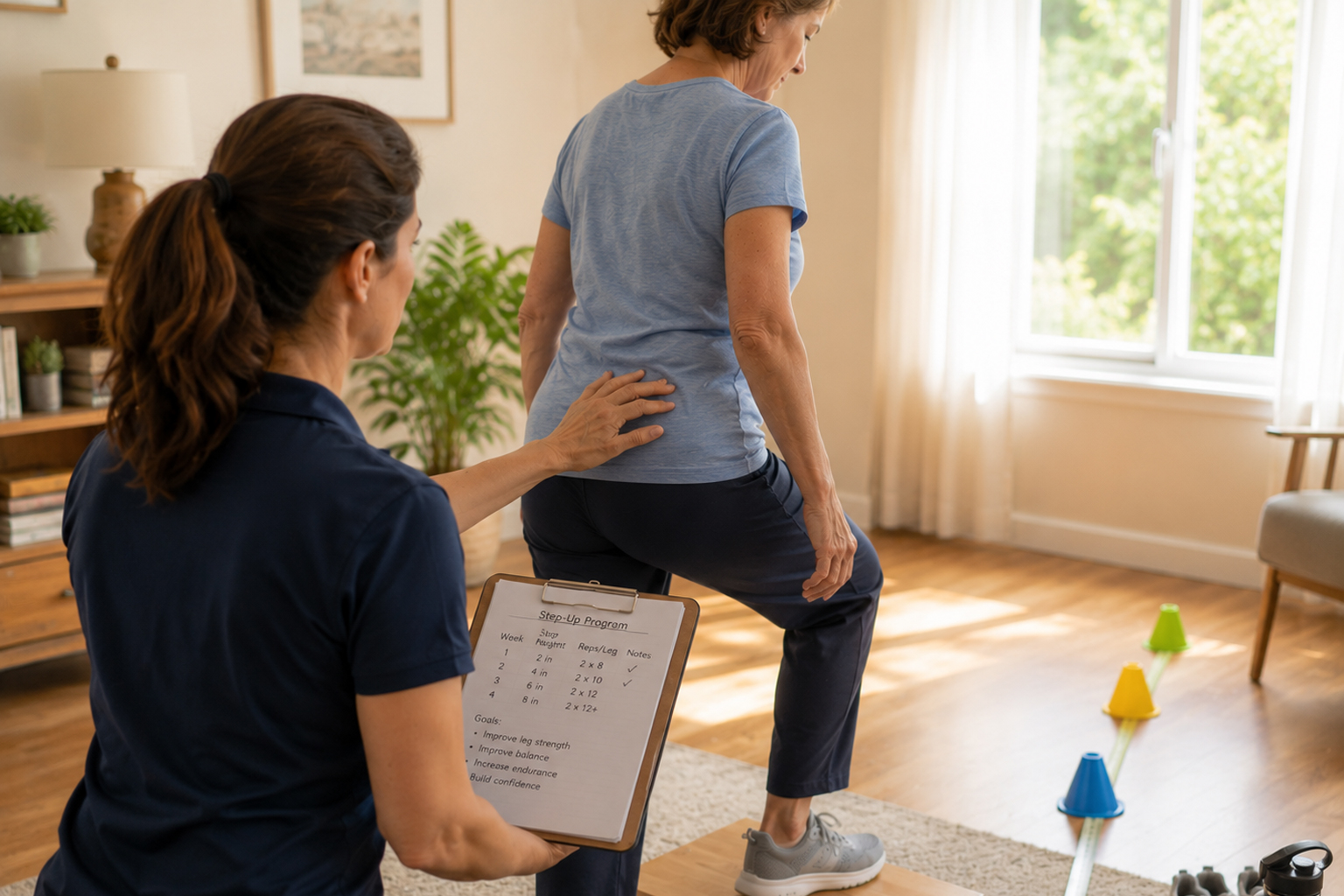
Begin by defining what meaningful improvement looks like for you, whether that is walking a short route, lifting a bag, or sleeping without turning frequently. Break larger aims into specific, time-bound tasks you can test and adjust. Tracking simple metrics — repetitions, distance, or ease of movement — helps show gradual gains. Small wins maintain motivation and guide safe progression.
Keep goals flexible and review them weekly based on how your body responds. Prioritize achievable steps that build toward function rather than chasing perfect symptom elimination.
Prioritize movement quality over intensity
Quality of motion reduces strain and supports recovery more than pushing through pain with high intensity. Focus on controlled, pain-limited patterns: steady breathing, neutral alignment, and smooth transitions. Practicing slower, repeated movement improves coordination and reduces the chance of flare-ups. This approach trains the nervous system and tissues to tolerate useful loads.
Start with short sessions emphasizing form and increase complexity gradually. Consistency with quality practice yields safer, more reliable gains than sporadic intense efforts.
Use pacing and graded exposure
Pacing helps avoid boom-and-bust cycles that undermine progress. Alternate activity with planned rest so you maintain function without provoking setbacks. Graded exposure means slowly increasing the specific movements or loads that provoke fear or avoidance, in tolerable increments. Over weeks, this reduces sensitivity and expands what you can do safely.
Document responses after each session and adjust increments based on tolerance. Patience and small, regular increases keep progress steady and sustainable.
Build supportive daily habits
Environment and routine influence recovery: adjust sitting height, use short movement breaks, and organize tasks to reduce awkward postures. Incorporate brief strength and mobility work into daily rituals to reinforce progress without long training sessions. Good sleep, hydration, and appropriate nutrition support tissue health and energy for rehabilitation. Social support and realistic expectations also play a role in sticking with a plan.
Make habit changes simple and repeatable so they become automatic parts of your day. Over time these small adaptations compound into meaningful improvements in function and confidence.
Conclusion
Rebuilding movement confidence after pain combines realistic goals, focused quality work, and gradual exposure.
Consistent small steps and supportive daily habits reduce the risk of setbacks and speed functional gains.
Stay patient, track progress, and adapt your plan as you improve.