Post-treatment fatigue is a common, persistent challenge that affects daily life and recovery.
Managing energy at home supports functional recovery and reduces setbacks.
This article outlines practical strategies to conserve energy, increase activity safely, and improve rest.
These approaches are adaptable and designed to support steady progress.
Understanding Post-Treatment Fatigue
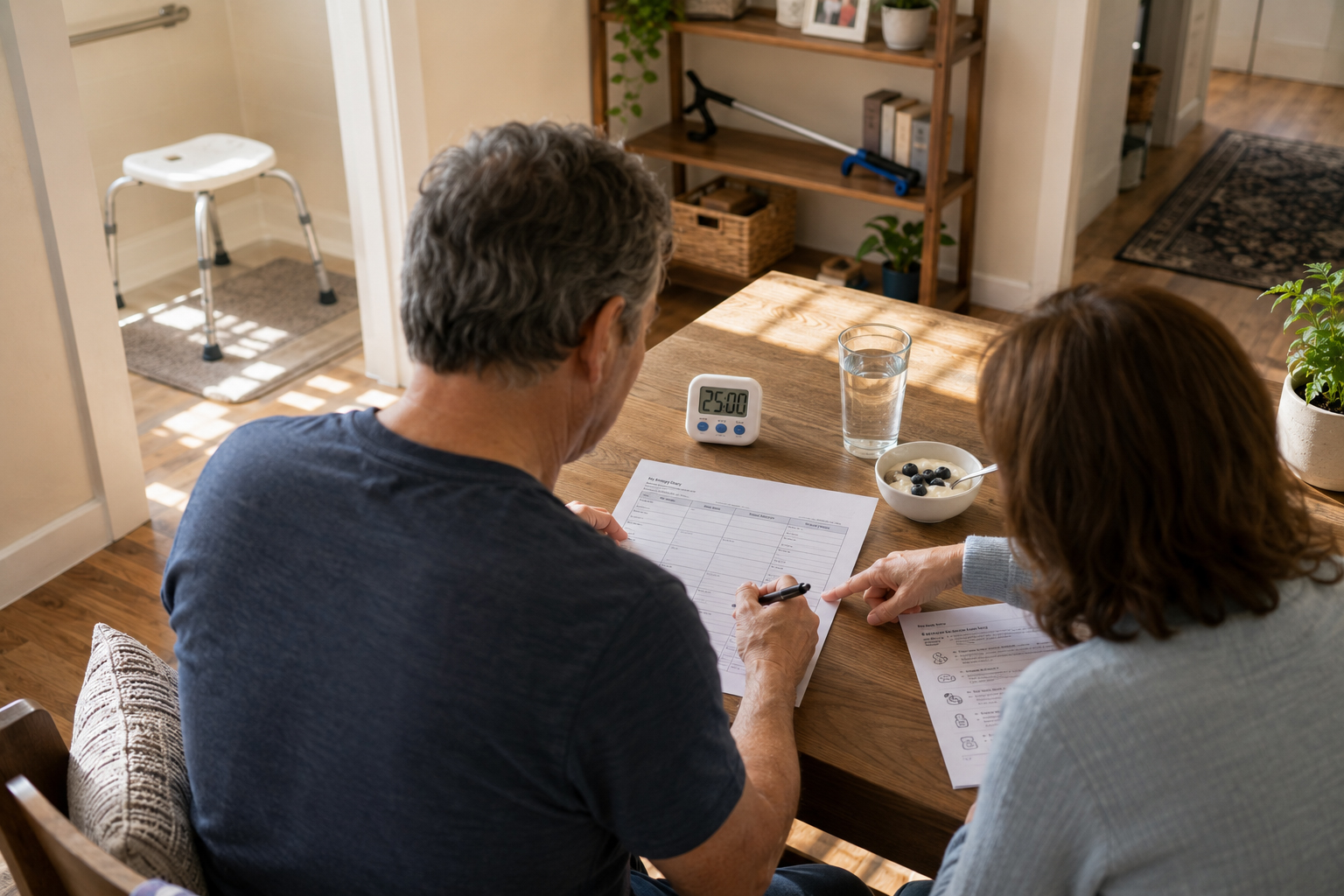
Post-treatment fatigue often reflects the body’s healing process, medication effects, poor sleep, and emotional stress. Its intensity can vary day to day and may not match how much activity occurred. Recognizing patterns helps avoid overexertion and identify when rest is essential. Keeping a simple diary for a week can reveal triggers and recovery windows.
Accepting fluctuating energy sets realistic expectations while guiding safe activity choices. That realistic view reduces frustration and supports steady gains.
Pacing and Prioritizing Daily Activities
Break tasks into manageable chunks and alternate activity with planned rest to prevent energy crashes. Prioritize important tasks during typical peak-energy periods, and delegate or delay lower-priority chores. Use timers and gentle reminders to switch tasks rather than pushing through fatigue. Gradual increases in duration are safer than sudden intensity jumps.
- Plan high-energy tasks for peak times.
- Combine tasks to reduce repeated effort.
- Use sitting or supportive positions for routine chores.
Small, consistent adjustments to daily habits conserve significant energy over time. Tracking successes reinforces habits and informs gradual progression.
Optimizing Rest, Sleep and Nutrition
Quality rest and regular sleep schedules are critical for energy restoration, including short daytime naps when appropriate. Balanced meals with steady carbohydrates, protein and hydration support sustained energy and clearer thinking. Limit stimulants close to bedtime and create a sleep-friendly environment by reducing light and noise. If sleep problems persist, discuss options with your healthcare team.
Improved sleep and nutrition often translate into better daytime function. These changes work best when paired with pacing and activity planning.
Adapting Your Home and Tools to Save Energy
Modify living spaces to reduce unnecessary effort, such as placing frequently used items at waist height and keeping clear walking paths. Consider assistive devices that reduce strain during standing tasks or transfers. Small investments—like a shower stool, a long-handled reacher, or a lightweight trolley—can make daily routines easier. These adaptations preserve energy for healing and meaningful activities.
- Keep essentials within easy reach.
- Use seating aids for household chores.
Adapting the environment complements pacing strategies and promotes safety. Over time, these changes help restore independence while minimizing setbacks due to fatigue.
When to Seek Professional Advice
Persistent or worsening fatigue, new symptoms, or sudden functional decline warrants assessment to rule out complications or adjust medications. Rehabilitation specialists can design graded activity programs and recommend tailored energy conservation techniques. Clear communication with your care team about daily challenges helps refine recovery plans and set achievable milestones. Early consultation prevents avoidable delays in progress.
Work with clinicians to personalize strategies and monitor outcomes. Timely adjustments keep recovery on track and support long-term wellbeing.
Conclusion
Managing post-treatment fatigue involves pacing, practical home adaptations, and attention to sleep and nutrition.
Small, consistent changes often produce measurable improvements in daily function.
Consult professionals when fatigue limits recovery or new concerns arise.