Recovering mobility after medical treatment often happens at home and benefits from a structured approach.
Small, consistent actions can prevent setbacks and build confidence while respecting healing timelines.
This guide outlines practical steps to adapt your living space, plan daily movement, and monitor progress.
The aim is to support safe independence and steady improvement without overwhelming the body.
Practical adjustments help both short-term safety and long-term recovery.
Assessing the Home Environment
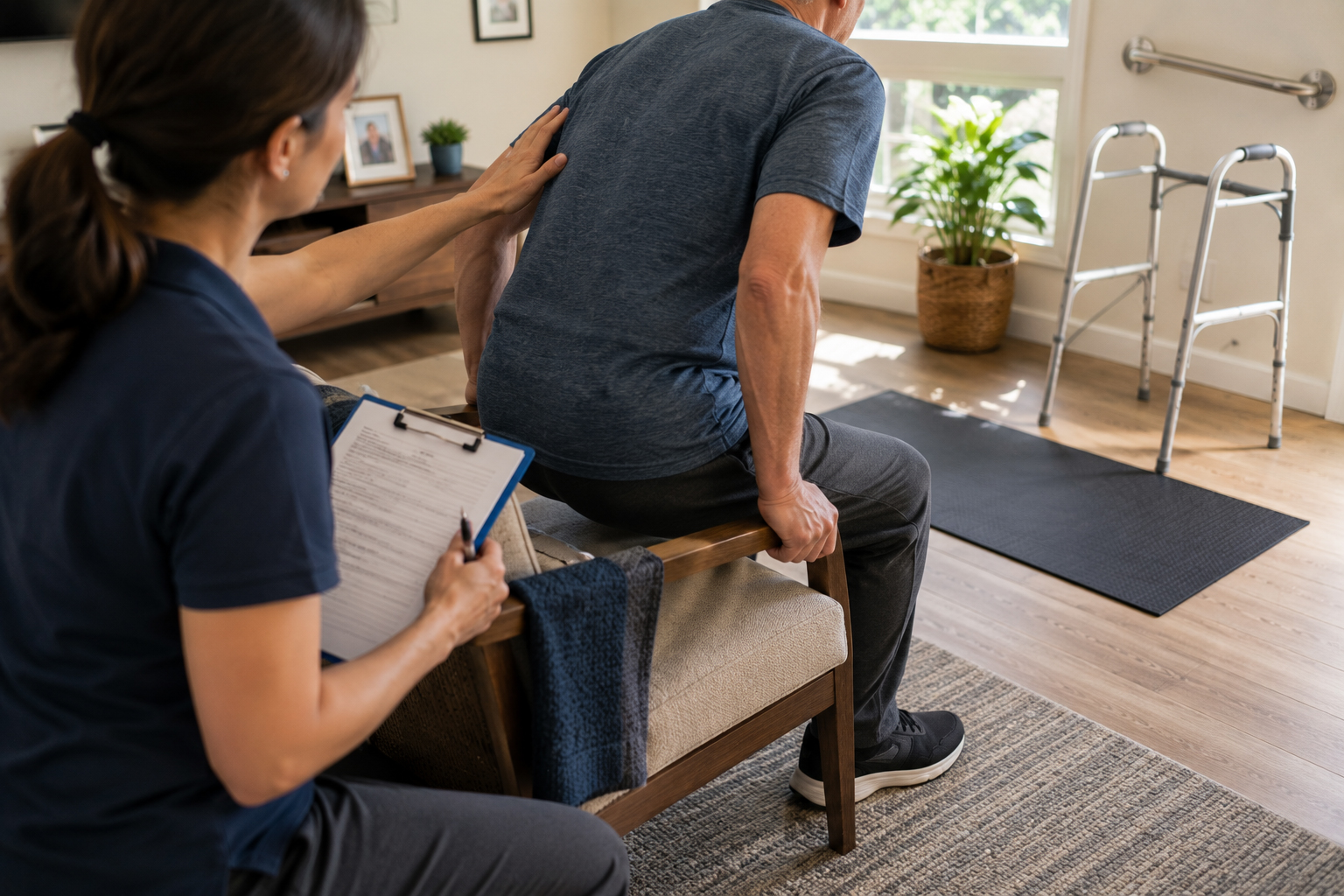
Begin by scanning key areas for obstacles and supports that affect daily motion. Focus on high-use zones like the bedroom, bathroom, and kitchen to reduce fall risk and unnecessary strain. Identify simple modifications — clear pathways, stable seating, grab points — that enable safer transfers and steady gait. Consider lighting, non-slip surfaces, and reachable storage to minimize sudden reaches and awkward bending. Engage family or caregivers in the assessment to ensure proposed changes match daily routines.
Small changes often yield big benefits, and many adjustments are low cost. Prioritize modifications that directly address your most frequent movements. Begin with the simplest fixes and build from there.
Building a Gradual Movement Plan
Work with your healthcare team to translate clinical recommendations into modest daily routines that fit your energy and pain levels. Start with micro-sessions of mobility: short sit-to-stand repetitions, gentle balance shifts, and low-resistance strengthening performed multiple times each day. Emphasize quality and controlled progression rather than duration; a few well-executed movements beat long, rushed sessions. Incorporate functional tasks — standing while brushing teeth, marching in place during breaks — to restore practical abilities. Pacing is key; alternate activity with planned rest to avoid fatigue and setbacks.
Consistency matters more than intensity in early recovery. Adapt exercises as you regain strength and confidence. Adjust expectations as progress unfolds and celebrate small milestones.
Tracking Progress and Staying Safe
Documenting simple measures helps you and your care team recognize meaningful gains and spot warning signs. Use a brief daily log to note pain levels, activity type, step counts, or how tasks felt, and flag any increasing swelling or instability. Implement safety routines: keep a charged phone nearby, avoid clutter, and use assistive devices as prescribed. When new symptoms or setbacks occur, pause progression and consult a professional rather than pushing through. Share your log with clinicians during follow-ups to refine goals and interventions.
Regular review encourages steady, sustainable improvement and reduces anxiety. Celebrate small wins to maintain motivation.
Conclusion
Recovery is a stepwise process supported by thoughtful home adaptations.
Prioritize safety, consistent micro-movements, and clear tracking to guide progress.
With patient, planned effort you can rebuild everyday function and confidence.