Recovering at home after a medical treatment is often a gradual, non-linear process that requires attention to activity, rest, and the home environment. Small, consistent choices can preserve gains and reduce the risk of regression or reinjury. Practical strategies help people maintain mobility, manage fatigue, and support gradual strength rebuilding without overtaxing the body. This article outlines manageable approaches to protect progress and foster steady recovery at home.
Maintaining momentum is as much about planning as it is about individual exercises or tasks. A few simple habits and checkpoints can make a measurable difference in daily function and confidence.
Assessing Current Capacity
Begin by taking an honest inventory of your present abilities, symptoms, and energy patterns to tailor activity safely. Note how much walking, standing, or lifting feels comfortable, and pay attention to pain, breathlessness, or unusual fatigue during or after tasks. Simple measures, such as timed walks or counting repetitions of sit-to-stand, provide a baseline to compare future progress. Checking furniture height, lighting, and trip hazards also helps identify environmental contributors to setbacks.
Documenting these observations supports clearer decisions about pacing and helps communicate changes to a clinician or therapist if needed. Regular reassessment—weekly or biweekly—keeps the plan aligned with evolving capacity.
Setting Realistic Daily Goals
Translate your assessment into small, achievable goals that emphasize consistency over intensity. Aim for short sessions spread through the day rather than one long push; this reduces fatigue and lowers reinjury risk. Goals should be specific and measurable, such as walking for three ten-minute periods or completing two sets of functional leg exercises with rest breaks. Celebrate small wins to maintain motivation while avoiding comparisons to pre-treatment levels.
Progress is often incremental; adjust targets based on how your body responds and prioritize activities that restore independence in daily tasks. A flexible approach prevents frustration and supports steady gains.
Designing Safe Home Activities
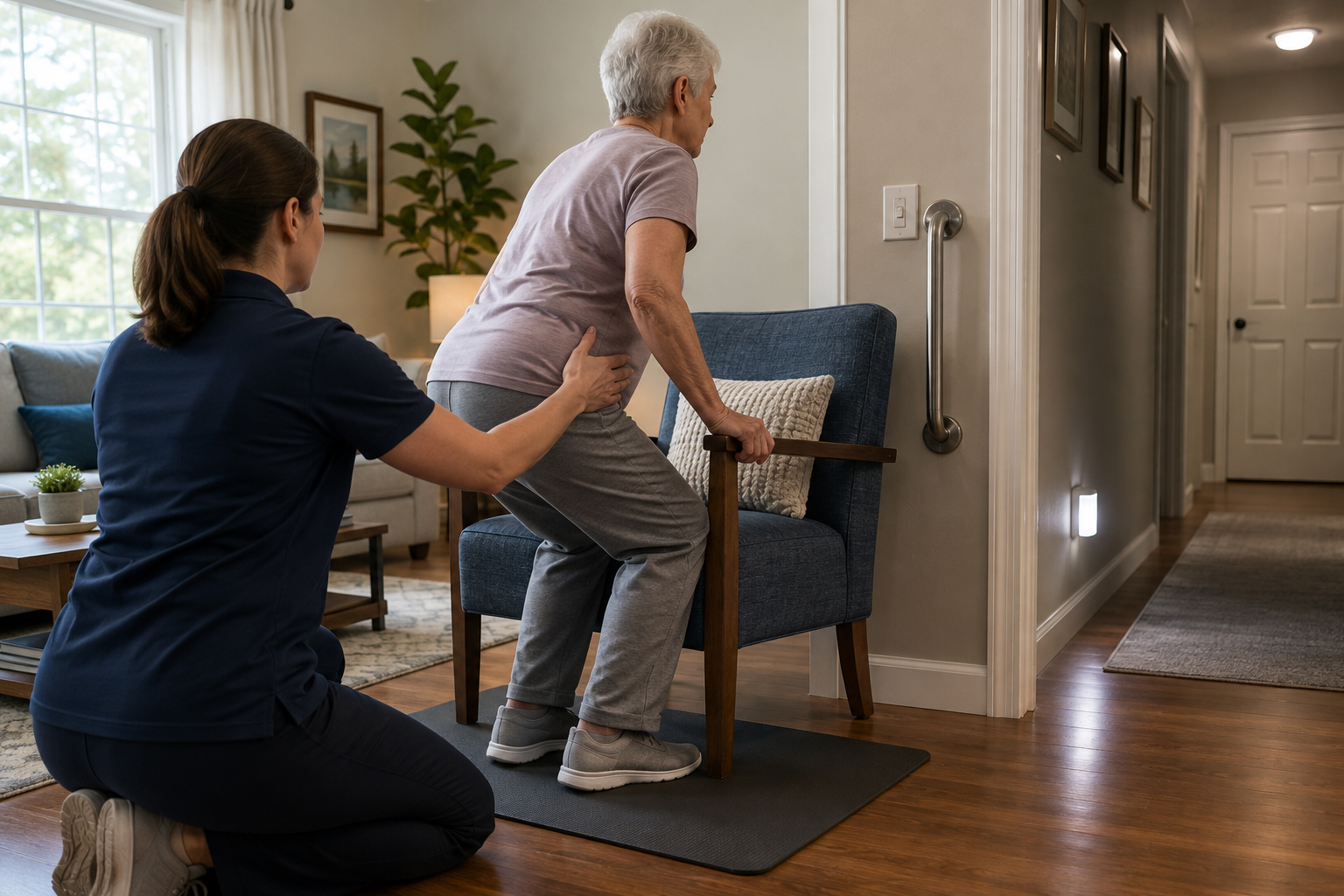
Choose low-impact, functional movements that mimic everyday tasks to build transferable strength and balance. Emphasize posture, controlled movement, and gradual loading rather than speed or weight, and include rest intervals to monitor tolerance. Incorporating functional practice—rising from a chair, step-ups, controlled reaching—reinforces capability for daily life while minimizing strain.
- Short walks with a steady pace
- Sit-to-stand repetitions
- Gentle balance holds near support
- Range-of-motion stretches performed calmly
When in doubt, reduce intensity and increase frequency; safety and sustainability matter more than rapid progress. Use supportive aids or modified techniques to maintain independence without risking setbacks.
Tracking Progress and Responding to Setbacks
Keep a simple log of activities, symptoms, and energy to identify patterns and early warning signs of overexertion. If pain, swelling, or persistent fatigue increases after activity, scale back and introduce longer rest periods or lighter movements. Communicate notable changes to your care team, especially if function declines or new symptoms appear. Small setbacks are common; treat them as data points to refine your plan rather than failures.
Consistent tracking empowers safer choices and timely adjustments. Building a steady, adaptable routine reduces the likelihood of major regressions and supports long-term recovery.
Conclusion
Maintaining recovery at home depends on honest assessment, realistic goals, and carefully selected activities that prioritize safety. Regular tracking and a willingness to adjust help prevent setbacks and preserve hard-won gains. With small, consistent strategies, people can protect progress and rebuild function at a sustainable pace.