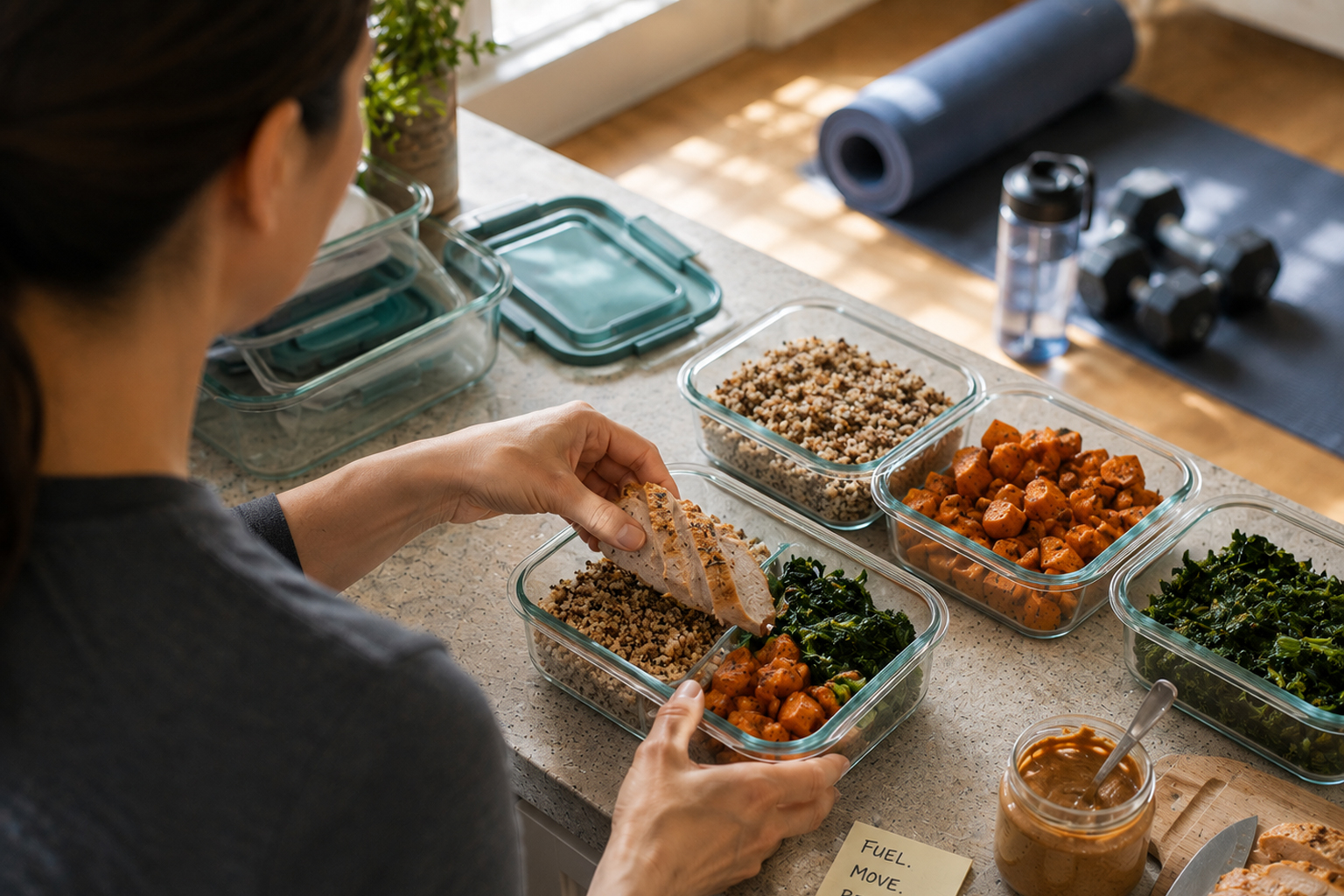
Finding the right meals for consistent energy at home workouts doesn’t require a strict menu. Small adjustments in composition and portion can keep energy steady and improve recovery without complex recipes. This article outlines practical principles and simple swaps to build flexible plates that match training intensity and schedule. Use these ideas to create reliable meals from common pantry and fridge staples.
Core Principles
Start with three building blocks: a protein source, a carbohydrate for usable fuel, and a vegetable or fat to slow digestion and support satiety. Aim for protein at every main meal to support muscle repair and moderate hunger, tailoring portions to your workout intensity. Include fiber-rich vegetables and whole-food carbohydrates to avoid spikes and crashes, choosing variety across the week. Keep portion sizes flexible: increase carbohydrates on longer or higher-intensity days, and focus on protein and vegetables on lighter days.
These principles help you assemble meals quickly and consistently. They work whether you plan detailed recipes or build plates on the fly.
Meal Examples and Smart Swaps
Simple swaps make meals more supportive of training without extra effort. Replace refined grains with whole grains like quinoa or oats, swap sugary sauces for tomato or yogurt-based options, and choose lean proteins or plant-based alternatives depending on needs. Pair carbohydrates with protein at each meal — for example, chicken and brown rice or lentil stew with whole-grain bread — to stabilize blood sugar and aid recovery. Small additions like nuts, seeds, or olive oil can add healthy fats that promote fullness and nutrient absorption.
- Quick pre-workout: banana with almond butter and a small yogurt.
- Post-workout: scrambled eggs, sautéed greens, and a sweet potato.
- Meal on low-energy days: chickpea salad with mixed vegetables and olive oil.
These examples are adaptable — swap ingredients based on what you have. Focus on balance rather than perfect ratios.
Timing and Practical Tips
Consider when you train and how your body feels: a lighter snack suits short sessions, while a fuller meal helps for long or intense workouts. Keep easy-to-assemble staples on hand – cooked grains, roasted vegetables, canned beans, and pre-cooked proteins – to reduce barriers on busy days. Batch-cook components and use simple dressings to vary flavors without extra time. Hydration and modest sodium after sweat-heavy sessions also support recovery.
Consistent, flexible habits beat one-off rigid plans. Over time, you’ll learn which combos fuel your best workouts.
Conclusion
Designing flexible meals around protein, carbohydrates, and vegetables makes day-to-day fueling manageable and effective. Use simple swaps and timing adjustments to match your workout demands and schedule. Small, consistent changes deliver reliable energy and faster recovery.