Small changes around your house can make everyday movement steadier and less painful. Focused tweaks rarely require tools or contractors, but they do need attention to how you move and where you place things. This article highlights simple, affordable adjustments that reduce strain and lower the chance of a fall. Read on for practical ideas you can implement this week.
Clear, Consistent Pathways
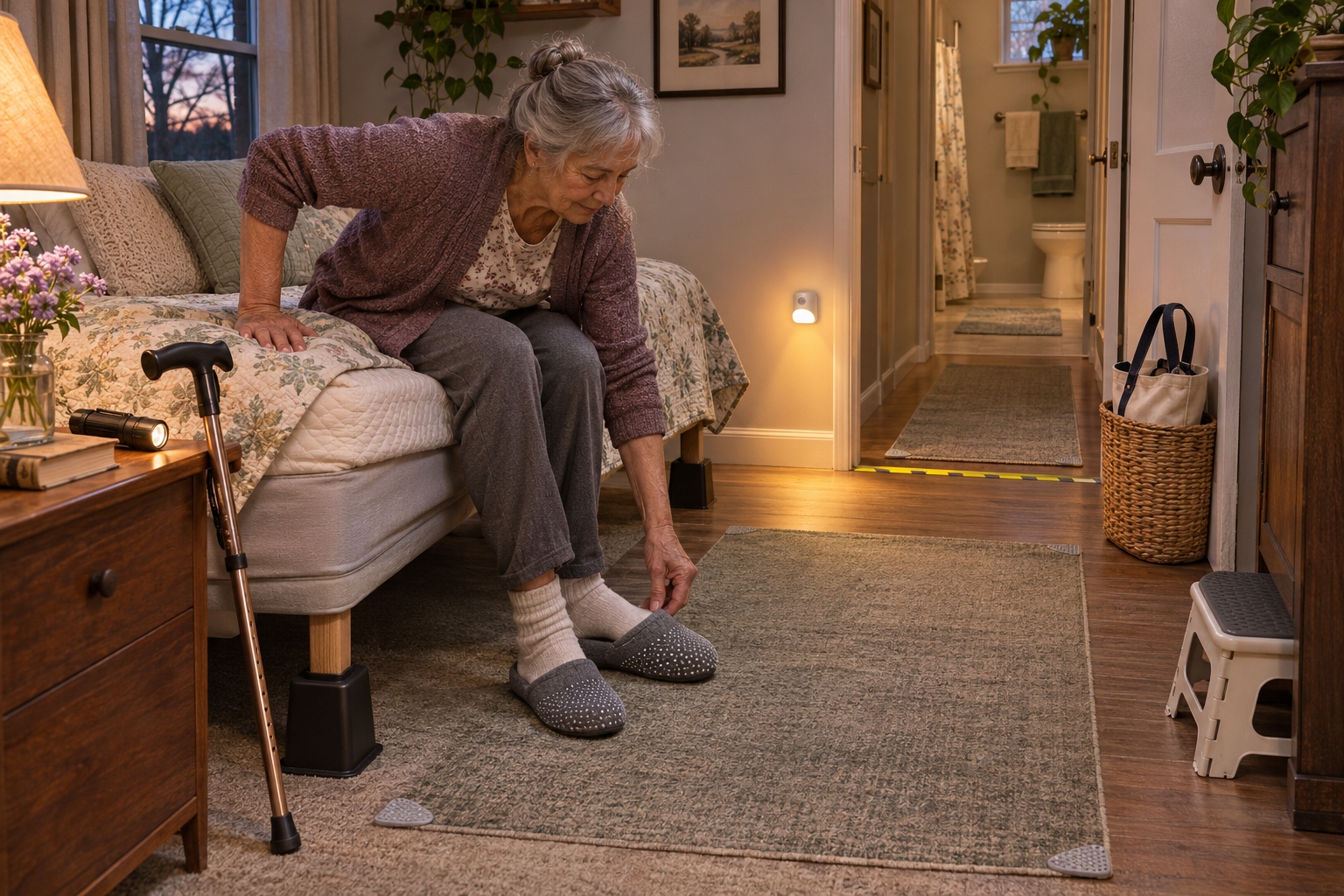
Start by removing trip hazards from main walking routes and keeping those routes consistent each day. Roll up loose rugs or anchor them with non-slip pads, and move small furniture that forces awkward turns. Good lighting matters: add plug-in lights or motion-activated lamps where shadows form, especially near stairways. Mark steps or thresholds with contrasting tape so changes in level are obvious.
These are low-cost fixes that directly reduce stumbles and unexpected weight shifts. Keep a basket by the door for items you frequently carry to avoid clutter on the floor.
Bathroom Safety Without Major Renovation
Bathrooms are high-risk areas but you don’t need a full remodel to improve safety. Install sturdy grab bars near the toilet and in the shower, and use a non-slip mat or adhesive strips on the shower floor. Consider a shower stool and a hand-held shower head to minimize standing time during bathing. Ensure that towel bars are decorative only and not relied on for support.
Small additions make grooming and toileting safer and less painful for joints. Keep essentials within easy reach to prevent bending or twisting that causes strain.
Bedroom and Kitchen Adjustments for Ease
In bedrooms, raise bed height slightly with a firm topper or risers to make sitting and standing easier, and leave a clear path to the bathroom at night. In the kitchen, store heavy pots and frequently used items at waist height to avoid lifting from the floor or reaching overhead. Use a lightweight, stable step stool with a handle instead of standing on chairs. Swap slippery slippers for shoes with good grip when moving around the house.
Rearranging storage and choosing supportive footwear can cut small but frequent sources of pain. These adjustments also reduce the number of risky movements each day.
Daily Habits and Simple Assistive Items
Adopt short movement habits that protect joints: pause before you turn, use a counter to steady yourself, and take deliberate, slower steps when changing direction. Place commonly used aids—reacher tools, a cane, or a lightweight walker—near where you sit most often. Keep a small flashlight or phone by the bed for safe navigation at night. Practice carrying one thing at a time to keep your balance steady.
Consistent habits make the environment work for you rather than against you. Start with one or two changes and build from there.
Conclusion
Simple, low-cost changes can lower pain and the risk of falls in everyday life. Prioritize clear paths, bathroom supports, and reachable storage to reduce strain. Make one change this week and note how it affects your comfort and confidence.