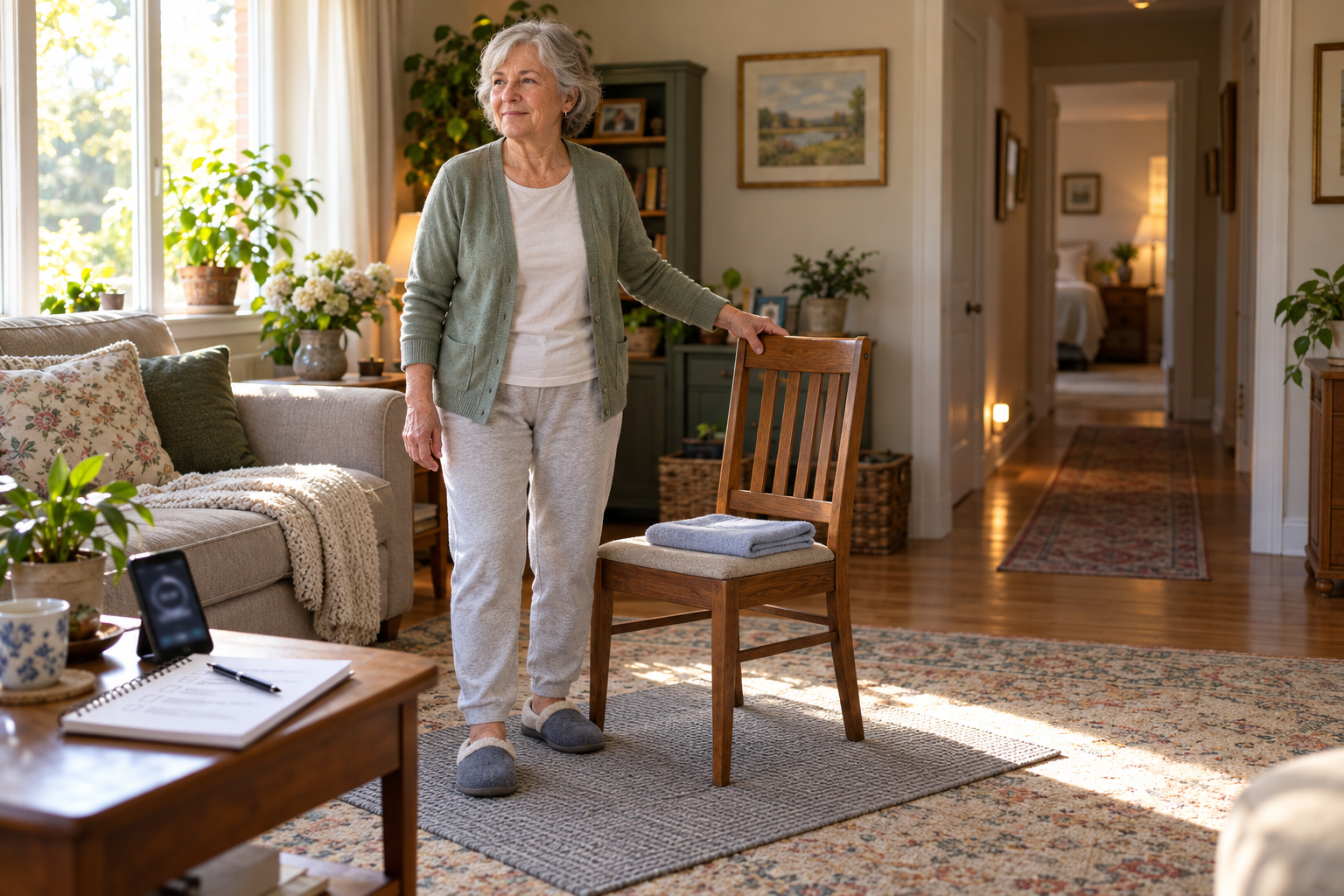
Recovering movement after medical care or a period of inactivity doesn’t require dramatic workouts or expensive equipment. Small, consistent choices at home can reduce pain, build confidence, and make everyday tasks easier. This article focuses on practical habits you can weave into daily life to protect healing and steadily improve function. No single routine fits everyone, but these approaches are easy to adapt and repeat.
Start with short, repeatable sessions
Begin by setting aside two to five minutes several times a day for gentle movement that respects current limits. Choose one simple goal per session: stand from a chair with control, walk a few extra steps indoors, or do a handful of sit-to-stand repetitions. Keeping sessions brief reduces fatigue and the temptation to overdo it, while frequent repetition helps the nervous system and muscles relearn safe patterns. Track what you do in a notebook or app to notice small gains and stay motivated.
- Aim for consistency over intensity.
- Use a chair or countertop for support when needed.
- Stop if sharp pain or unusual symptoms develop.
Short practices are particularly useful because they fit into routines and can be scaled up gradually. Over weeks, those few minutes add up to meaningful improvement.
Adjust your space to invite movement
Small changes around the home reduce barriers to safe activity and lower risk of setbacks. Clear tripping hazards, create a stable place to hold during transitions, and position frequently used items within comfortable reach. Good lighting and non-slip surfaces make standing and walking less stressful, and movable supports like a sturdy chair allow purposeful practice across rooms. These alterations aren’t expensive, and they change the environment to support steady progress rather than hinder it.
- Keep pathways clear, especially near beds and chairs.
- Add night lights in hallways and bathrooms.
When the environment supports movement, you’ll be more likely to practice and to challenge yourself safely. Small improvements to the space can produce outsized confidence gains.
Focus on balance, strength, and pacing
Include a mix of gentle strength moves, basic balance drills, and pacing strategies in your routine. Strength can be built with bodyweight exercises such as heel raises or sit-to-stands; balance improves with brief single-leg or weight-shift practices while holding a support. Pacing means alternating activity and rest, breaking tasks into manageable chunks, and avoiding the boom-and-bust cycles that prolong recovery. These elements help restore function without overwhelming the body.
- Increase challenge slowly, adding repetitions or reducing support.
- Prioritize quality of movement over quantity.
Integrating these components into short daily habits creates a balanced approach that protects healing and promotes steady gains. It’s a sustainable way to rebuild comfortable movement at home.
Conclusion
Small, consistent habits at home make a real difference in restoring comfortable movement after medical care. By keeping sessions brief, adapting your space, and combining balance with gentle strength work, you can protect healing while progressing. Consistency and careful pacing are the best allies in steady recovery.