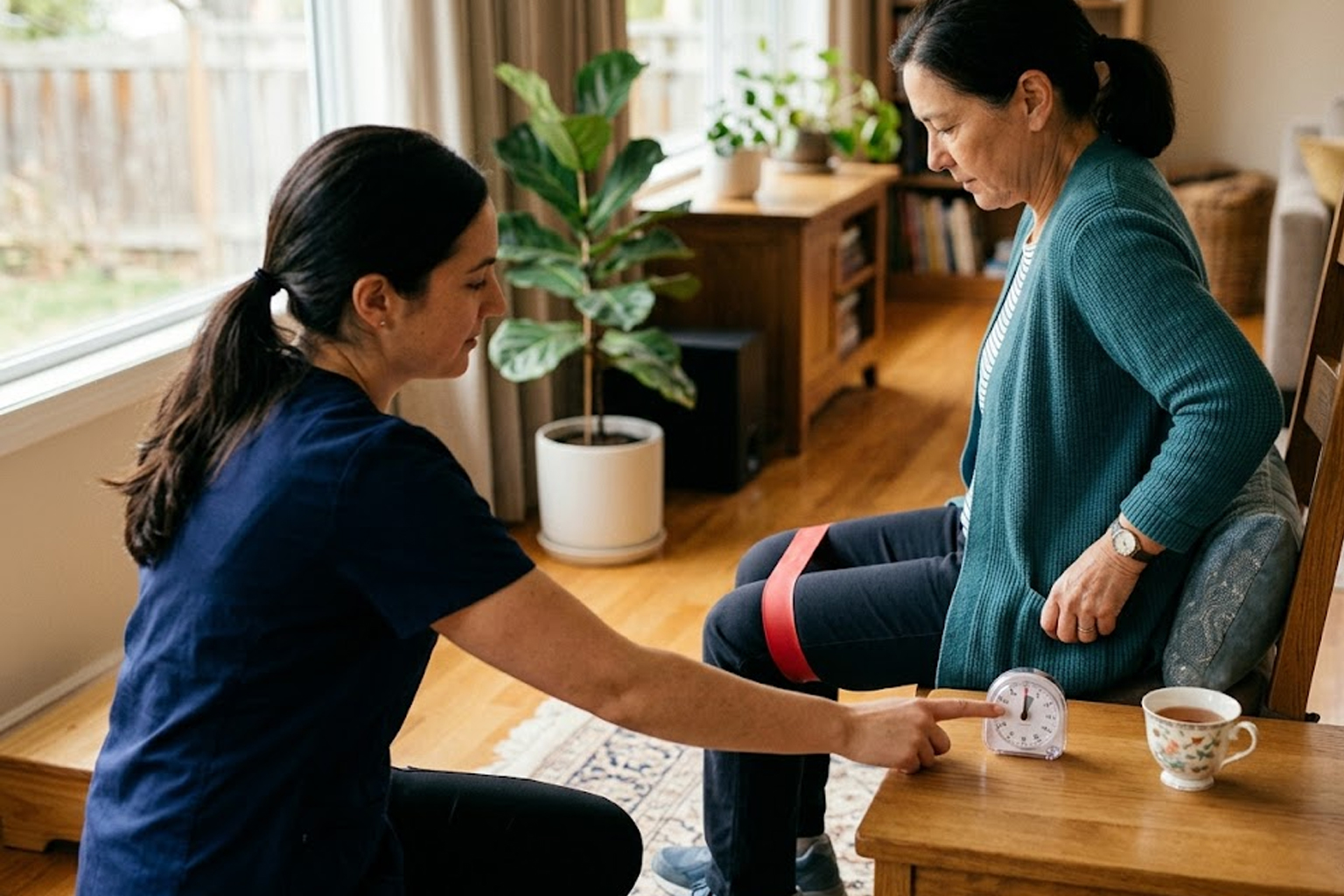
Small, consistent changes at home can gradually restore movement and reduce day-to-day joint strain. By creating a predictable rhythm of gentle activity, rest, and supportive setup, many people regain confidence in daily tasks. This article outlines practical habits you can build without special equipment, focused on steady progress rather than quick fixes. Use these ideas to form a sustainable routine that respects symptoms while encouraging improvement.
Each suggestion emphasizes gradual load, attention to comfort, and simple self-monitoring. Implement one or two strategies at a time so adjustments become habits rather than chores.
Set a realistic movement rhythm
Establishing brief, regular movement windows helps maintain circulation and keeps tissues adaptable without provoking flare-ups. Aim for short sessions several times a day: light mobilization, walking, or gentle range-of-motion exercises that suit your current tolerance. Consistency matters more than intensity; steady repetition builds resilience and reduces stiffness. Track what feels better after activity to refine timing and duration.
Start small by pairing movements with daily cues such as brushing teeth or making tea. Over weeks you can extend sessions as comfort allows and celebrate incremental gains.
Prioritize gentle strength and control
Focused strength work supports joints by improving muscle support and movement control. Choose low-load exercises using body weight, resistance bands, or light weights, executed slowly with attention to form. Aim for controlled, pain-free reps and prioritize quality over quantity to reduce compensations. Gradual progression—adding a few reps, sets, or slight resistance—encourages steady improvement without setbacks.
Schedule strength sessions two to three times weekly and pair them with mobility work. If uncertainty remains, consider a brief consultation with a trained professional to refine technique.
Optimize posture and environment
Small adjustments to seating, work height, and how you lift or reach can markedly reduce repetitive strain on joints. Arrange common tasks within comfortable reach, alternate positions frequently, and use supportive seating when needed. Pay attention to neutral alignment during standing and sitting, and allow micro-breaks to reset posture throughout the day. Simple ergonomic tweaks often reduce the need for extra effort from fatigued muscles.
Experiment with changes for a few days to see which setups feel best. Keep what works and discard items that don’t improve comfort.
Respond to flare-ups with calm pacing
When symptoms increase, respond with short-term adjustments rather than stopping activity completely. Reduce intensity, shorten sessions, and choose gentler alternatives while maintaining light movement to prevent stiffness. Use cold or heat for comfort and modify tasks to offload painful areas temporarily. Monitoring symptoms and returning to your established rhythm slowly helps avoid prolonged setbacks.
Plan recovery days and accept that progress is nonlinear. Patience and small, reversible changes keep momentum moving forward.
Conclusion
Adopt a steady, habit-driven approach that combines gentle movement, gradual strengthening, and ergonomic sense to support joint recovery. Focus on small, consistent wins and adjust based on feedback from your body. Over time these rhythm adjustments build resilience and improve everyday comfort.