Morning training often feels like a trade-off between sleep and energy.
Small tweaks to what and when you eat can shift that balance in your favor.
Simple changes reduce mid-session fatigue and speed recovery without extra cooking.
This article outlines practical, low-prep options and timing tips to try tomorrow.
Why targeted tweaks matter
Short morning workouts rely on quick-access fuel and minimal digestive load.
A modest portion of carbohydrates raises available glucose, while a bit of protein helps with muscle support.
Overeating or choosing heavy fats before exercise can lead to sluggishness and reduced output.
Adjusting meal composition tailors intake to session length and intensity so you perform better.
- Choose small portions that fit your routine.
- Prioritize carbs when intensity is high and protein for resistance work.
These small decisions compound over weeks to improve consistency and results.
They are easy to implement and simple to track.
Easy pre-workout breakfasts
Grab-and-go breakfasts make morning fueling realistic on busy days.
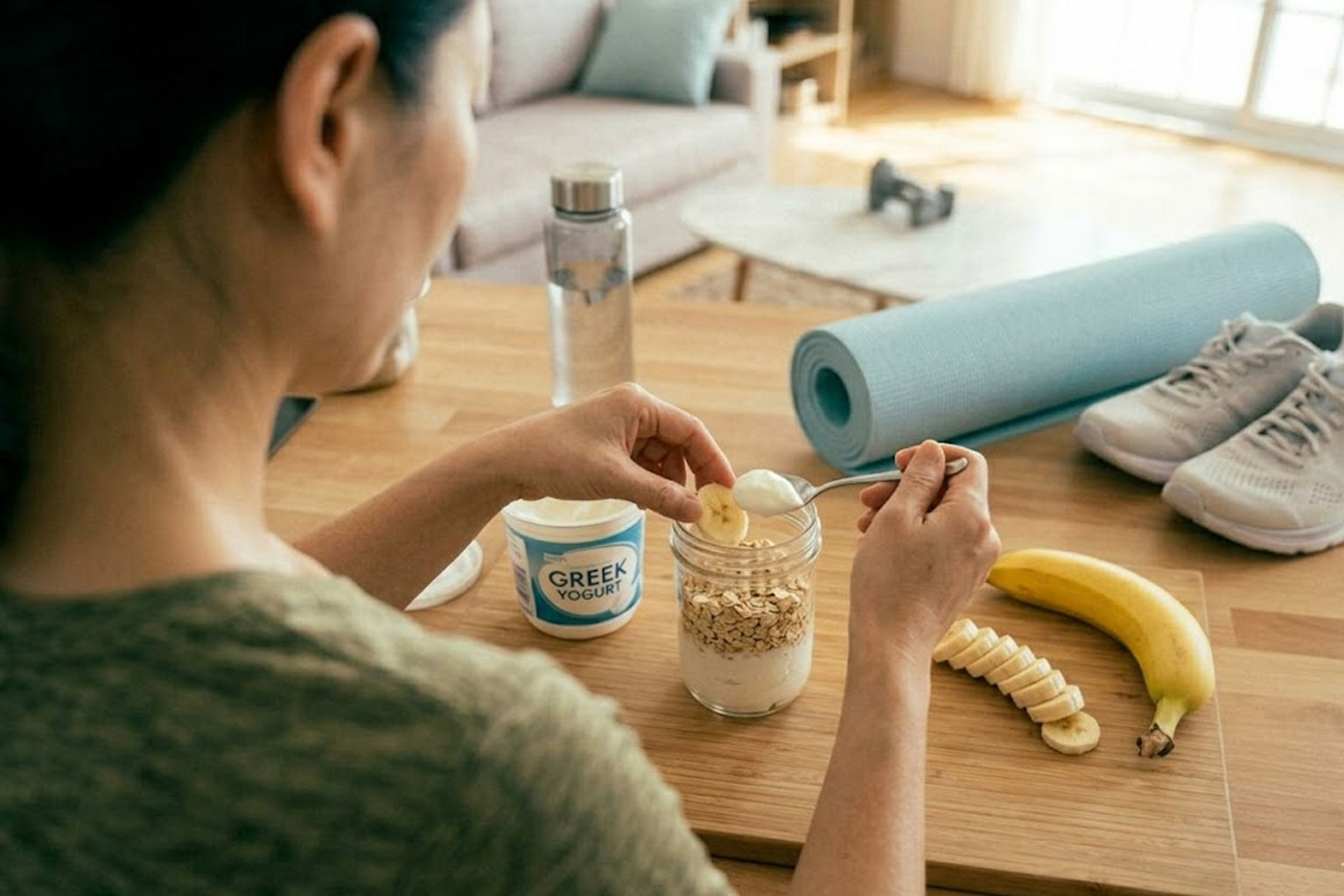
Try Greek yogurt mixed with a sliced banana and a spoonful of oats for balanced carbs and protein.
A slice of whole-grain toast with nut butter and berries is another low-prep option that digests quickly.
Smoothies with milk or a plant alternative, spinach, fruit, and a scoop of protein powder work well for liquid fuel.
All of these choices offer a mix of quick and steady energy without feeling heavy.
They can be prepared in minutes or the night before to save time.
Portion and timing strategies
If you exercise within 30 minutes of waking, prioritize a small carbohydrate snack like half a banana or a rice cake.
For sessions 45–90 minutes later, a modest meal combining carbs and protein reduces hunger and supports recovery.
Keep portions conservative—think palm-sized carbs and a thumb-sized protein portion—to avoid gastrointestinal discomfort.
Also hydrate with 300–500 ml of fluid in the hour before training and sip water during the session.
Track how portions and timing affect your perceived energy and adjust gradually.
Personal tolerance varies, so simple experimentation is the best guide.
Night-before prep to streamline mornings
Preparing elements the night before reduces morning friction and ensures consistent fueling.
Portion out servings of oats or grain, pre-slice fruits, and pack nut butter in small containers.
Assemble smoothie packs in freezer bags with fruit and greens, so all you need is liquid and a quick blend.
Hard-boiled eggs or pre-made yogurt jars also cut morning prep time considerably.
Label portions to avoid guesswork and rotate ingredients to prevent boredom.
These small prep habits make it easier to stick with fueling routines long term.
Conclusion
Try one simple meal change for a week and note energy, performance, and recovery.
Small pre-workout swaps often yield noticeable improvements without lengthy meal prep.
Consistent, manageable fueling habits support sustainable morning training progress.