Recovering movement at home is a gradual process that benefits from small, reliable habits. Building short, focused sessions into daily life preserves energy and reduces the risk of overload. Thoughtful adjustments to your living spaces make ordinary tasks less risky and more manageable. Consistency matters more than intensity when the goal is steady, safe progress.
Start Small, Focused Sessions
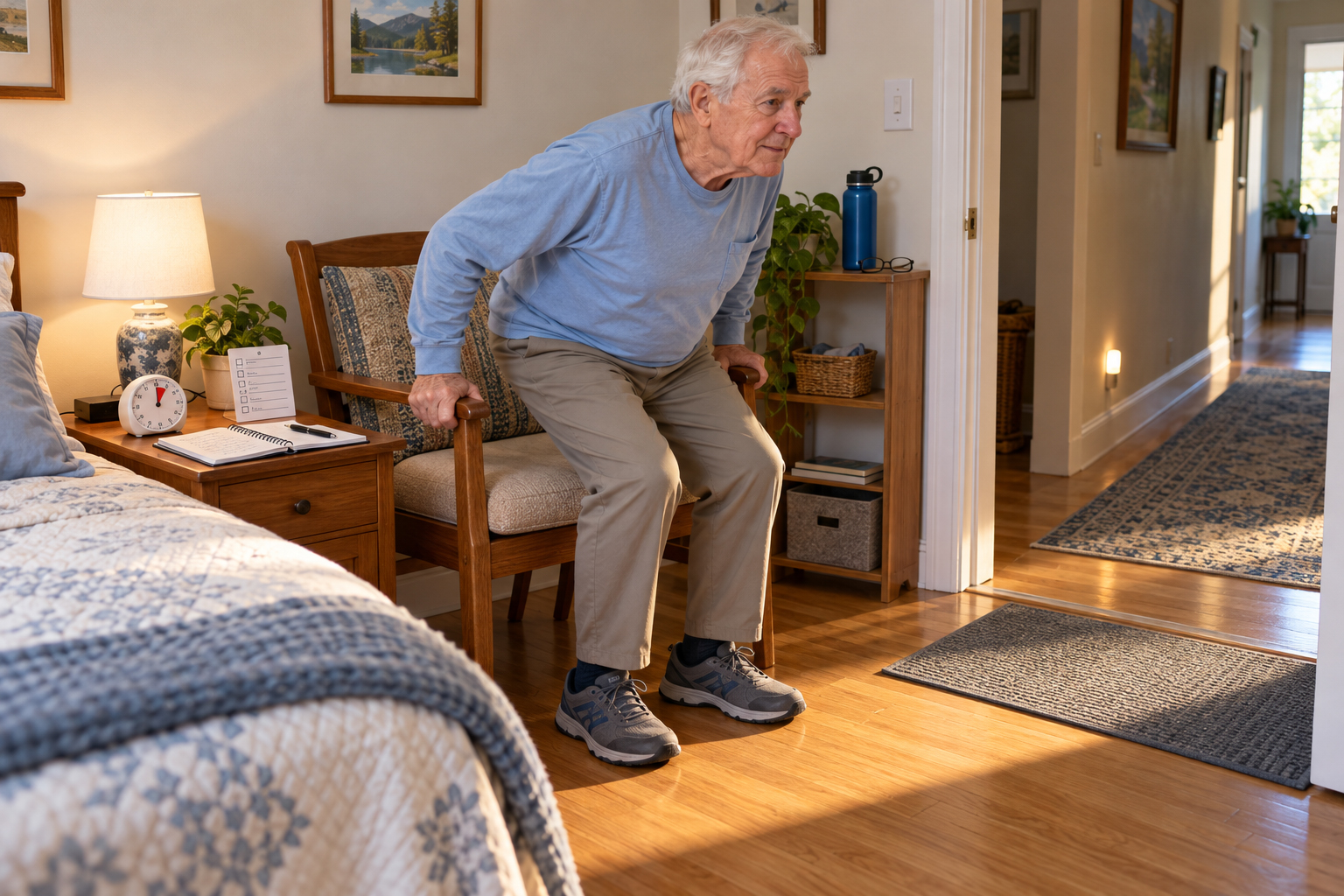
Begin with two or three brief movement sessions each day, five to ten minutes apiece, focused on control rather than speed. Choose simple activities that mimic daily tasks — standing from a chair, controlled steps, or gentle hip and ankle mobility. Keep a timer and a short checklist so sessions stay predictable and achievable. Celebrate the small wins: consistent repetition builds confidence more reliably than sporadic effort.
Short sessions reduce fatigue and lower the chance of flare-ups, letting you increase difficulty safely over time. Progress in tiny increments, increasing repetitions or range only when comfortable.
Arrange Rooms to Reduce Risk
A modest room-by-room tidy-up can cut fall risk and make movement practice less stressful. Prioritize clear pathways, stable seating at usable heights, and good lighting for transitions such as getting up at night. Place frequently used items within easy reach to avoid unnecessary bending or balance challenges. These changes limit unexpected demands on a body that’s still recovering.
- Non-slip mats near sinks and bathtubs
- Night lights in hallways and beside the bed
- A sturdy chair with armrests in sitting areas
Making the environment predictable helps you practice skills without added hazards. Revisit the setup after a few weeks and adjust as your confidence grows.
Listen to Your Body and Track Progress
Pain and fatigue are useful signals; learn to distinguish protective discomfort from harmful strain. Keep a simple log of how movements feel, noting duration, intensity, and any setbacks. Regularly reviewing that record reveals gradual improvements you might otherwise miss. If something worsens over several days, pause the activity and consult a clinician before pushing further.
Use measurable, attainable goals — a specific number of chair stands, distance walked, or minutes of standing — to keep progress objective. Small, tracked gains add up and keep motivation steady.
Conclusion
Small, consistent habits at home reshape how you move without overwhelming healing tissues. Combine brief practice sessions with a safer environment and simple progress tracking for steady recovery. Over time these modest changes restore function and confidence in everyday life.