Recovering from medical treatment often requires gradual, consistent movement to rebuild strength and balance.
Small daily habits can reduce stiffness, improve confidence, and lower the risk of setbacks.
This article outlines practical routines you can do at home while keeping safety and gradual progression in mind.
Use these suggestions as general guidance and coordinate with your clinician for personalized adjustments.
Assessing Your Starting Point
Before beginning any program, take stock of your current abilities, pain levels, and mobility restrictions. Simple self-checks — such as noting how far you can walk, whether you need support rising from a chair, and which movements cause discomfort — give a baseline. Documenting these observations helps you set realistic short-term goals and provides benchmarks to measure improvement. If you use assistive devices, record how and when they are most helpful.
Start from what you can reliably do without increasing pain. Conservatively increase duration and repetitions week by week.
Designing Gentle Daily Movement
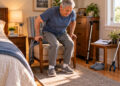
Structure short sessions around mobility, strength, and balance to address common deficits after treatment. Include low-impact activities such as seated leg extensions, heel raises, gentle hip hinges, and standing weight shifts. Aim for multiple brief sessions across the day rather than one long workout to avoid fatigue. Focus on controlled movement quality over speed or high intensity.
- Seated marches
- Wall push-offs or modified standing push-ups
- Calf raises and gentle ankle circles
Record repetitions and perceived effort to guide gradual progression. Adjust exercises to your comfort and stop if a movement causes sharp or worsening pain.
Adapting Your Home Environment
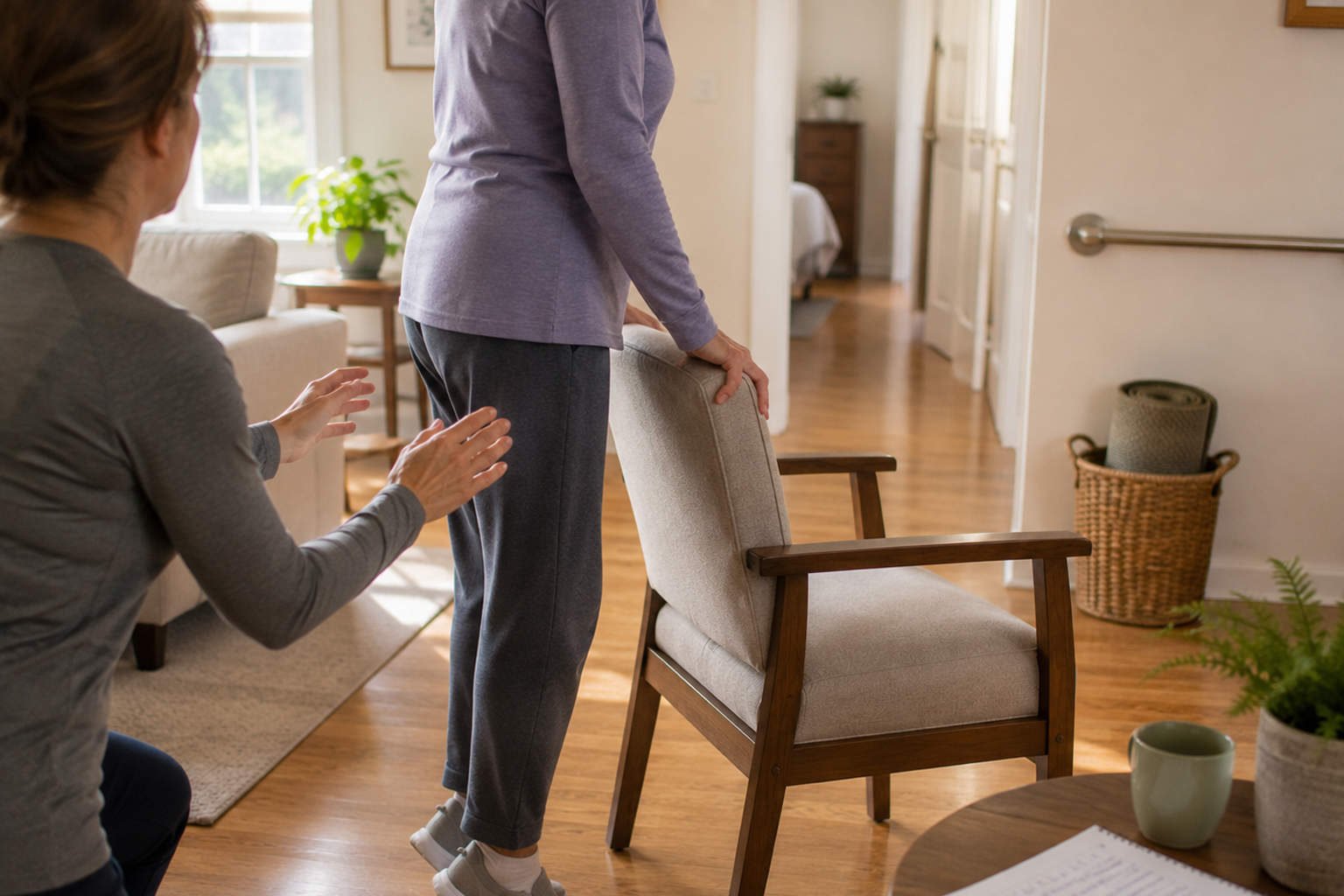
Modifying the environment reduces barriers and lowers fall risk while you rebuild function. Clear walkways, secure loose rugs, and ensure good lighting in transition areas to simplify safe movement. Place frequently used items within easy reach and consider a sturdy chair with armrests for practice. Small, inexpensive changes can make daily movement safer and more sustainable.
Periodically reassess your space as mobility improves. Removing temporary aids when you’re ready supports independence while keeping safety first.
Monitoring Progress and When to Seek Help
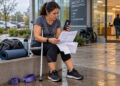
Tracking small improvements—longer walking distances, less morning stiffness, fewer balance losses—confirms progress and motivates. Use a simple journal or phone notes to record daily activity, pain levels, and any new symptoms. If you notice increasing pain, swelling, numbness, or declining function, pause progression and consult your healthcare provider. Timely professional input prevents setbacks and adapts the plan to healing stages.
Celebrate consistent small gains to maintain momentum. Recovery is often non-linear; structured monitoring keeps you moving safely.
Conclusion
Building mobility at home is a stepwise process rooted in consistency and safety.
Small, daily movement choices add up to meaningful improvement over weeks and months.
Collaborate with clinicians and adjust plans to match your recovery pace.