Recovering mobility after medical treatment often feels gradual and uncertain. Small, consistent actions at home can rebuild strength, balance, and confidence without overwhelming the body. This article outlines practical daily practices, environmental adjustments, and ways to monitor progress safely. The goal is steady improvement while reducing risk and supporting independence.
Assessing Your Starting Point
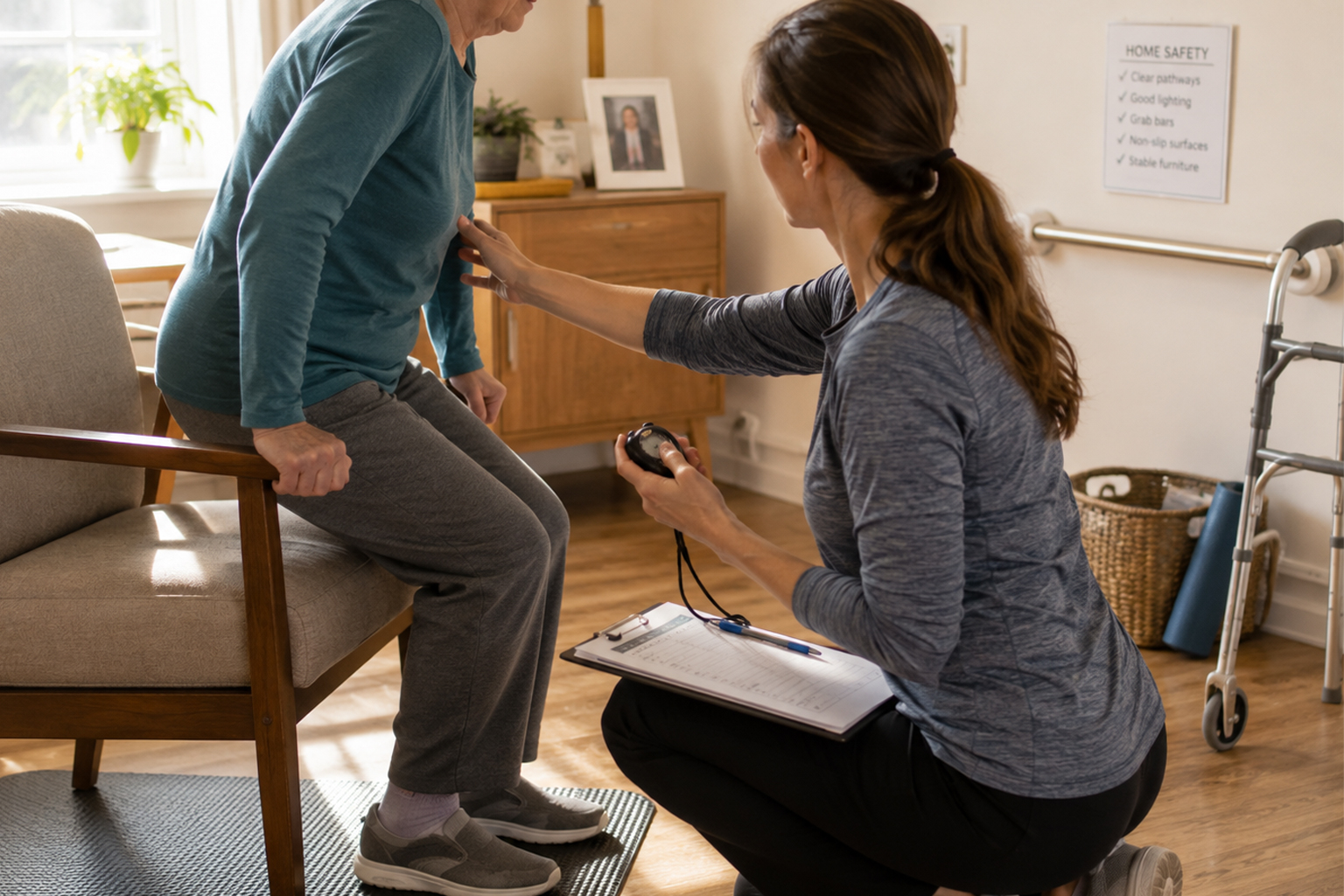
Begin by taking a realistic inventory of current abilities and limitations, noting pain levels, range of motion, and fatigue. Simple tests such as timing how long you can stand, sit-to-stand repetitions, or walking short distances provide a useful baseline to guide activity. Involve your healthcare provider or therapist when possible to interpret findings and receive tailored recommendations. Clear awareness of where you start helps avoid overdoing it and sets measurable, achievable goals.
Document results in a daily log and reassess weekly to notice small gains. This approach makes progress visible and motivates continued effort.
Designing Gentle Daily Movement
Structure short, frequent movement sessions that mix mobility, strength, and balance exercises tailored to your tolerance. Examples include seated leg lifts, modified squats holding a sturdy surface, ankle circles, and gentle marching in place; start with low repetitions and rest as needed. Progress by adding repetitions, duration, or light resistance only when exercises feel manageable and pain-free. Prioritize correct form and controlled breathing to build function safely.
Consistency matters more than intensity early on, so aim for small wins each day. Celebrate incremental improvements to sustain motivation.
Adapting Your Home Environment
Make targeted changes to reduce fall risk and simplify movement patterns at home. Clear pathways, secure rugs, add stable handholds near steps or tubs, and arrange frequently used items within easy reach to avoid unnecessary strain. Lighting improvements and non-slip mats in key areas also support safer mobility and confidence during daily tasks. Small, inexpensive adjustments can substantially lower barriers to independent movement.
- Install grab bars by toilets and showers.
- Use chairs with armrests for easier transfers.
- Remove tripping hazards and ensure even flooring.
Evaluate one room at a time and prioritize changes that address your most frequent activities. Enlisting a family member or therapist for a walkthrough can reveal overlooked hazards.
Tracking Progress and When to Seek Help
Use a simple log to record activities, pain levels, and energy after sessions to detect patterns and avoid setbacks. If you notice increasing pain, new numbness, swelling, or a decline in function, pause progression and contact your healthcare provider for guidance. Regular check-ins with a therapist can refine exercises and introduce safe progressions when appropriate. Recovery timelines vary, so patience combined with structured monitoring helps ensure sustainable gains.
Set realistic milestones, such as walking a few extra minutes or reducing rest breaks, and adjust plans based on feedback. Professional input is key when recovery stalls or red flags emerge.
Conclusion
Restoring mobility at home is a steady process that rewards patience and consistency. Focus on small, safe steps, environment adaptations, and objective tracking to maintain momentum. When in doubt, consult a healthcare professional to keep progress both effective and safe.