Small, consistent habits at home can help reduce persistent musculoskeletal discomfort while rebuilding movement confidence. This article outlines practical steps you can use without special equipment and without pushing into flare-ups. The goal is steady, manageable progress that fits into daily life and supports recovery. Read these ideas as flexible principles you can adapt to your situation.
Begin with modest expectations and focus on consistency rather than intensity. Avoid all-or-nothing approaches that often lead to setbacks.
Start with a simple assessment and plan
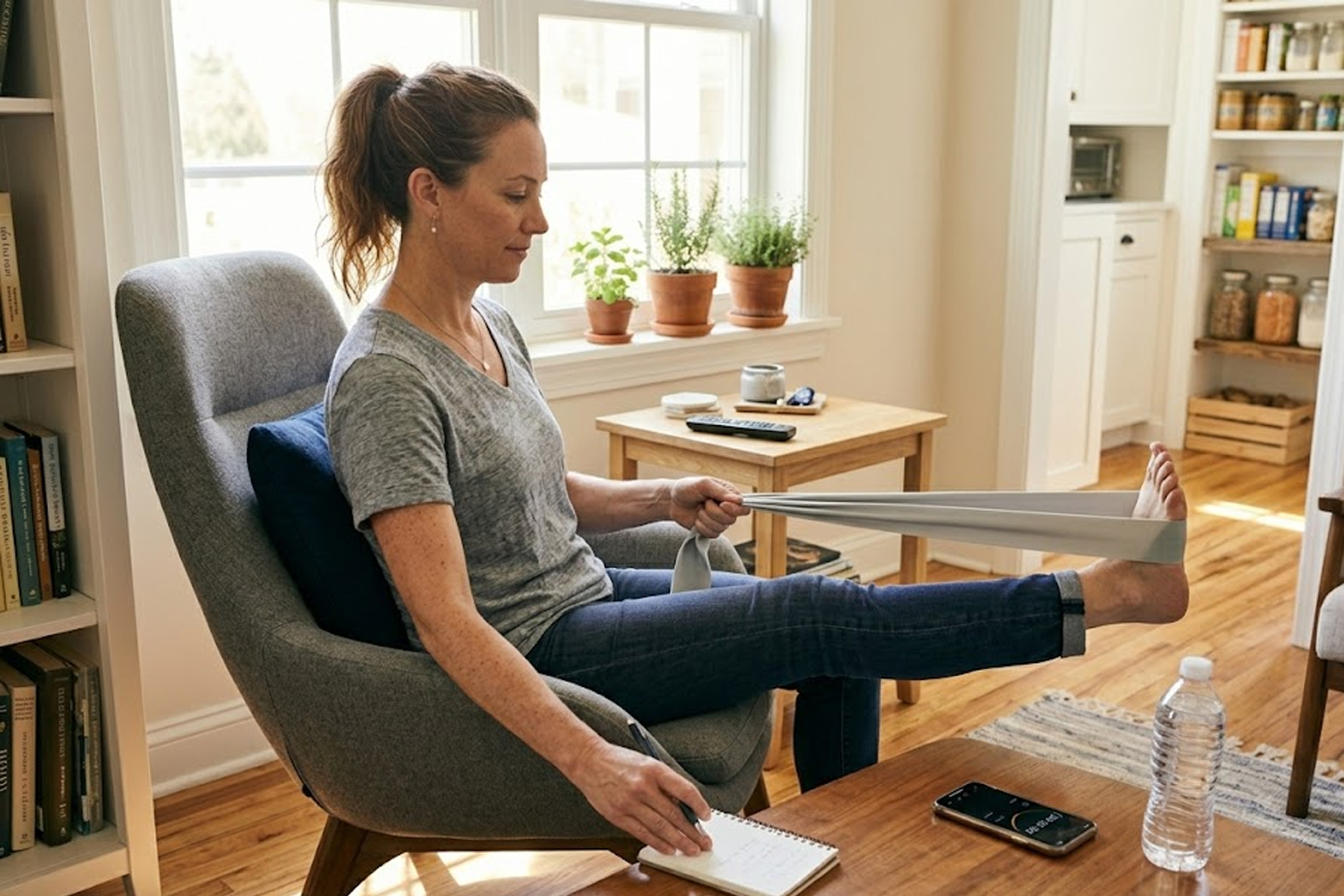
Begin by noting activities that increase or decrease your symptoms and consider how often they occur. A brief weekly log helps identify patterns and informs which movements to scale up or avoid. Try rating comfort on a simple 1–10 scale for common tasks to guide gradual progression. Use that information to set two to three realistic goals for the week.
Documenting small wins keeps momentum and informs adjustments. Share your plan with a trusted friend or clinician when appropriate for accountability and safety.
Prioritize gentle movement and pacing
Integrate short, frequent movement breaks into daily routines rather than long, intense sessions. Examples include short walks, gentle joint rotations, and light strength exercises using body weight or resistance bands. Emphasize controlled, pain-free ranges and stop before sharp pain begins to increase. Pacing means alternating activity with planned rest to avoid overloading tissues.
Gradual increases in duration or repetitions are safer than sudden spikes. Consistency over weeks yields better functional gains than sporadic intense efforts.
Adjust your living setup to reduce unnecessary strain
Small ergonomic changes can reduce repetitive loading and improve comfort during daily tasks. Consider chair height, frequent use items placed within easy reach, and sleeping positions that support neutral alignment. These tweaks lower baseline irritants and make movement practice more effective. A few targeted changes often create meaningful relief without major expense.
- Raise frequently used surfaces to avoid bending.
- Use supportive seating and change posture regularly.
- Keep a water bottle and phone nearby to reduce reaching.
Prioritize changes that are simple to maintain. Over time, these small supports make consistent practice more comfortable and sustainable.
Track progress, adjust, and seek guidance
Revisit your log weekly and compare current symptoms and function to earlier entries. If progress stalls or symptoms worsen, reduce intensity and revisit technique before increasing activity again. When unsure about pain behavior or recovery limits, consult a qualified clinician for personalized guidance. Use objective markers like walking distance, ability to carry items, or sleep quality to evaluate gains.
Adjustments are part of the process and signal smart self-care rather than failure. Regular review helps keep goals realistic and recovery steady.
Conclusion
Consistent, low-demand habits and small environmental tweaks support gradual pain reduction and improved movement. Focus on pacing, simple assessments, and tiny progressive increases to build resilience over time. These approaches favor long-term function and reduced flare-ups without requiring dramatic changes.