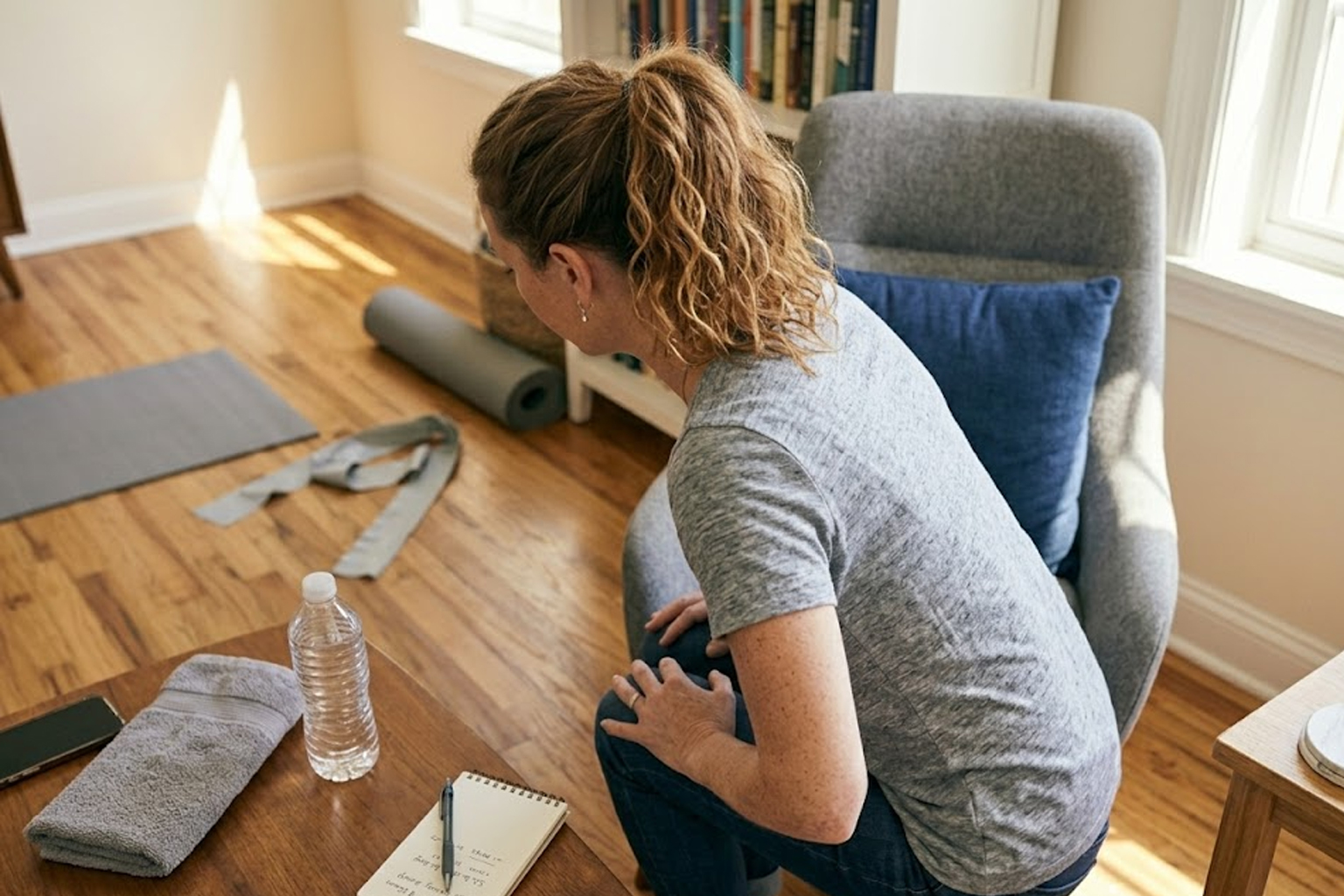
Living with ongoing musculoskeletal pain often means adapting daily routines so movement supports recovery rather than provoking flare-ups. A clear, steady home routine can help maintain function, reduce strain, and build confidence in everyday tasks. Small, consistent habits—balanced activity, targeted movement, and thoughtful setup—tend to have the biggest long-term effect. This article lays out practical steps to design a safe, sustainable program you can use at home.
Creating a routine does not require major equipment or dramatic time commitments. It focuses on repetition, pacing, and gradual progression tailored to your current tolerance. The goal is reliable improvement in comfort and function rather than chasing rapid change. Below are structured, easy-to-follow sections to guide planning and maintenance.
Why steady home routines matter
Consistent patterns of movement and rest reduce unpredictability and help your nervous system interpret daily signals more calmly. Regular, gentle loading of muscles and joints preserves mobility and supports tissue health while minimizing the risk of overload. A predictable schedule also makes it easier to notice meaningful progress and to separate normal soreness from concerning pain. Over time, this consistency builds resilience and confidence for everyday activities.
Establishing predictable habits simplifies decision-making during low-energy periods and helps avoid extremes of inactivity or overexertion. With a modest daily framework, you can steadily expand capacity while managing symptom variability. The emphasis is on reliability and modest gains rather than dramatic efforts.
Designing gentle movement and setup
Begin with short movement sessions focused on mobility, light strength, and posture, spaced evenly through the day. Prioritize neutral postures and micro-movements that reduce sustained strain—think short standing breaks, gentle sit-to-stand repetitions, and controlled range-of-motion work. Use ergonomic adjustments to seating, workstation height, and commonly used surfaces to minimize awkward positions. Progress slowly by adding small repetitions or a little extra load once the current level feels manageable.
- Warm-up: 3–5 minutes of easy joint motions.
- Pacing: alternate activity and rest in predictable blocks.
- Load: increase repetitions before intensity.
These elements work together: setup reduces continuous stress, movement preserves function, and pacing prevents setbacks. Tailor specifics to your daily life and preferred activities so the routine feels workable and sustainable.
Tracking progress and knowing when to adjust
Keep simple measures like a short daily log noting activity, pain levels, sleep quality, and perceived effort. Look for trends over weeks rather than reacting to single bad days; forward progress is often gradual. If symptoms increase noticeably after a change, reduce the dose and reintroduce progression more slowly or consult a professional for guidance. Regular review helps you refine what works and discard what doesn’t.
Celebrate small wins such as improved ease with a household task or increased minutes of tolerated activity. Use setbacks as data, not failure, and adjust the plan with conservative steps. Over time, this iterative process builds a resilient, effective home routine.
Conclusion
Design a simple, repeatable routine that balances gentle movement, ergonomics, and pacing to support steady gains. Track trends over weeks, progress slowly, and treat setbacks as signals to adapt rather than stop. With consistency and sensible adjustments, a home-based program can meaningfully improve comfort and function.