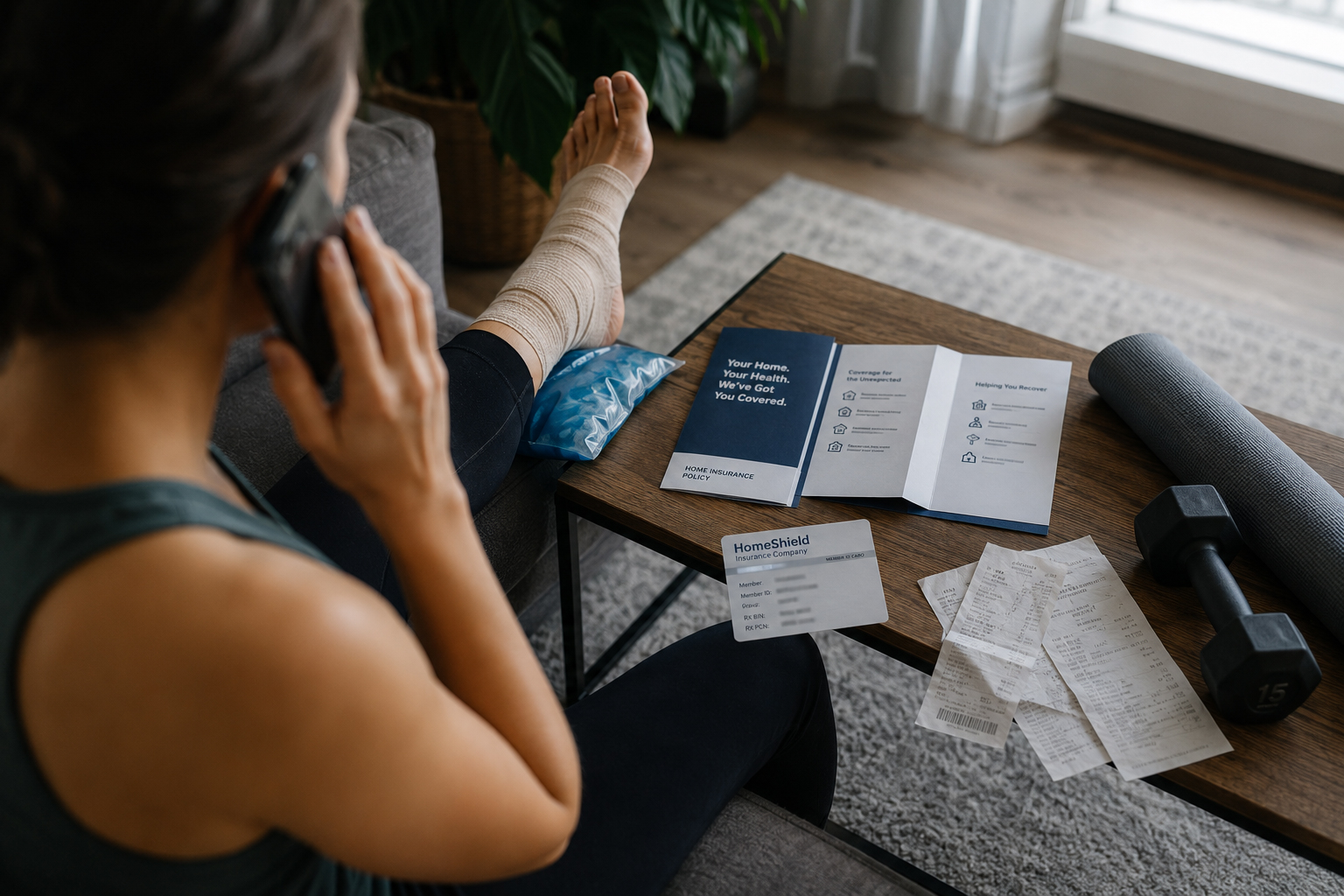
At-home exercise offers many benefits but creates distinct healthcare questions. Standard medical policies sometimes leave gaps when injuries occur outside clinical settings. Knowing how your plan treats emergency visits, physical therapy, telehealth, and equipment coverage reduces surprise costs. This article outlines key insurance concepts and simple steps to prepare for common at-home fitness incidents.
Understanding Coverage Basics
Review your policy’s definitions for emergency care, urgent care, and outpatient services as they relate to exercise injuries. Note coverage limits, prior authorization rules for rehabilitation, and whether physical therapy needs a referral. Check for exclusions tied to high-risk activities or equipment-related accidents. These details determine when a visit is covered and what costs you may face. Also verify whether telehealth visits count toward visit limits.
List benefit limits and visit caps so you can compare realistic scenarios. Update the list after policy changes.
Choosing Cost-sharing and Networks
Compare deductibles, copays, and coinsurance against likely at-home care needs; a lower deductible can reduce upfront costs if you expect rehab. Network rules matter since out-of-network therapy is often costlier. Prefer plans that include telehealth and broad outpatient networks for faster, lower-cost consultations. Balance premiums against anticipated use to avoid unexpected bills. Also weigh annual out-of-pocket maximums against your budget.
Check provider directories to confirm in-network therapists and urgent care locations. Call member services to clarify cost-sharing when needed.
Documenting and Filing Claims
Keep clear records when a home workout causes injury: dates, symptoms, photos of hazards, and receipts for visits or equipment repairs. Insurers often request medical records, itemized bills, and clinician notes during claims review. Submit claims promptly and organize files to speed resolution. Know claim deadlines and the appeals process so you can respond quickly if needed. Ask providers to include activity notes that link treatment to the incident.
Good records make it easier to show how the injury and treatment are connected. Organized documentation often prevents denials and speeds payment.
Practical Tips for Home Fitness Injuries
After an injury, match care level to symptoms: telehealth for minor concerns, urgent care for moderate issues, and emergency services for severe or life-threatening problems. Save a list of in-network urgent care centers and telehealth contacts on your phone. Confirm whether long-term rehab or durable equipment is covered before incurring major costs. Small preparations lower stress and financial exposure. Keep emergency contacts and a copy of your card accessible during workouts.
Coordinate with your insurer and providers to obtain necessary preauthorizations. This proactive step reduces surprises in both care and cost.
Conclusion
Know your policy terms, keep clear documentation, and prepare a simple action list for injuries to reduce stress and costs. Map benefits to likely needs and update records after incidents. These habits protect your health and finances while you pursue at-home fitness.