Recovering mobility at home requires a careful balance between activity and rest. Simple, consistent practices can protect healing tissues while rebuilding strength and confidence. This article outlines practical steps to prepare your environment, structure movement, and monitor progress without overloading the body. It is intended as general guidance to support safe, gradual improvement.
These suggestions emphasize incremental progress and safety rather than intensive training. They are adaptable to different abilities and recovery stages.
Preparing Your Space
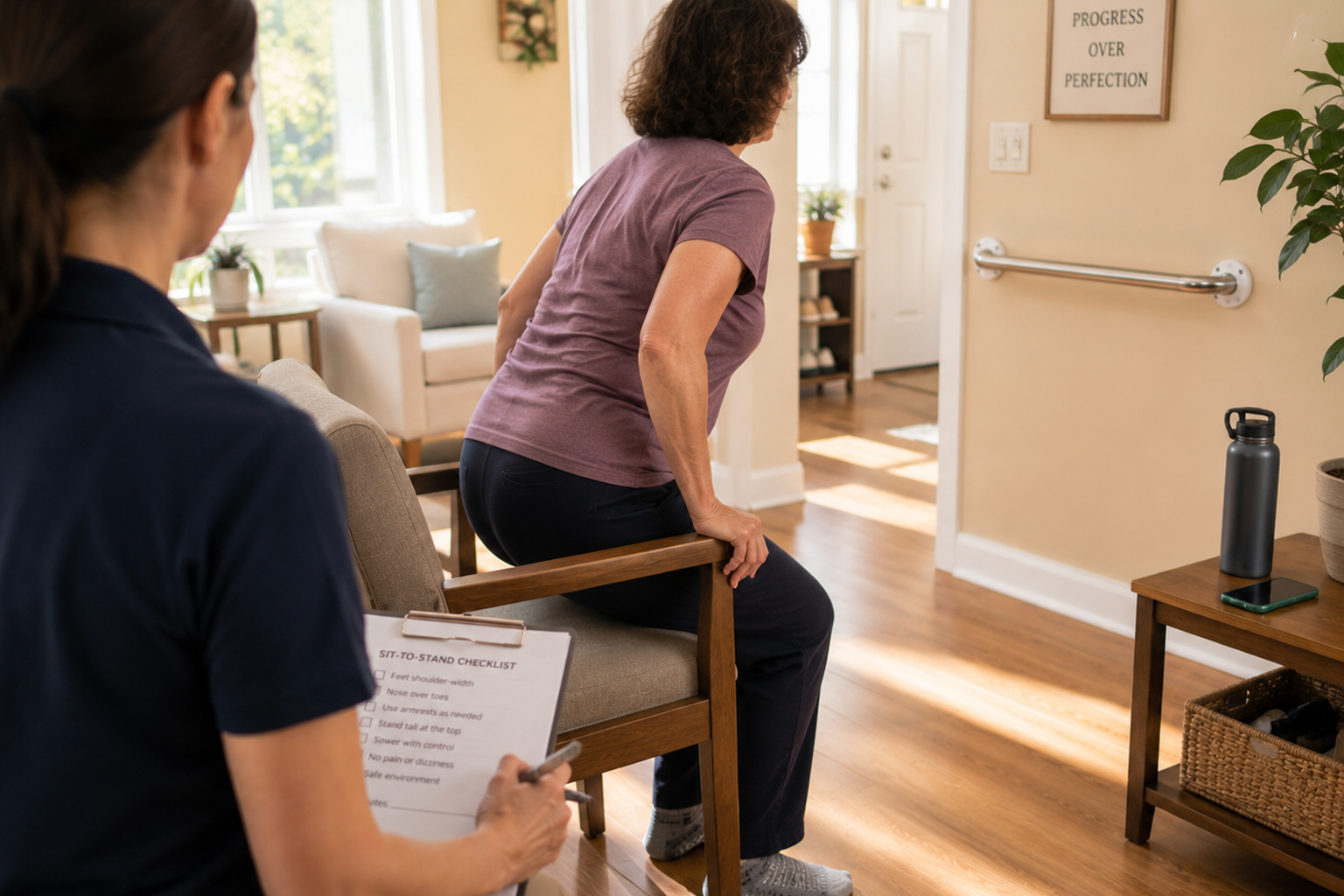
Start by creating a clear, hazard-free area where short sessions can be done reliably. Remove loose rugs, arrange furniture to allow safe turning, and ensure adequate lighting for evening or early morning activity. Consider stable chairs, a rail or wall for support, and non-slip surfaces to reduce fall risk. Having water and a phone nearby adds an extra layer of safety.
Small environmental changes reduce interruptions and make it easier to practice consistently. A predictable, comfortable setting supports both physical progress and confidence.
Gradual Movement Plan
Focus on brief, frequent sessions that target functional tasks relevant to everyday life. Begin with 5 to 10 minutes of gentle activity several times per day, increasing duration or repetitions as tolerated. Prioritize movements like getting up from a chair, turning safely, controlled stepping, and light balance challenges that mimic daily activities. Aim for quality and control rather than speed or intensity.
- Sit-to-stand repetitions to build leg strength and confidence.
- Calf and heel raises for ankle stability and circulation.
- Short, steady walks around the home to improve endurance and gait.
Track what feels manageable and adjust the plan gradually. Consistency with modest progression often yields better long-term gains than sporadic vigorous efforts.
Monitoring and Adjusting
Pay attention to pain, unusual swelling, dizziness, or persistent fatigue as signals to modify activity. Use simple measures such as a diary or a short checklist to record effort, pain levels, and functional improvements over days and weeks. If progress stalls or symptoms worsen, slow the pace and consider contacting a clinician for tailored advice. Rest is an important part of recovery and should be scheduled between activity sessions.
Regularly reassessing goals and tolerances helps maintain a safe trajectory. Small, measurable gains reinforce motivation and inform appropriate adjustments.
Conclusion
Start small, make your environment supportive, and increase activity gradually.
Listen to your body and record changes to guide adjustments.
Consistent, safe practice builds function and confidence over time.