Regaining functional mobility after illness or treatment is a gradual process that benefits from consistent, focused activity. Small, deliberate practices performed at home can build strength, improve balance, and restore confidence in everyday tasks. Emphasizing safety, gradual progression, and habit formation helps reduce setbacks and supports long-term gains. This article outlines practical steps you can integrate into daily life to improve movement while minimizing risk.
Begin by setting realistic expectations and valuing steady improvement over rapid change. Consistency and attention to form are more important than intensity in the early phases of recovery.
Assessing Current Abilities
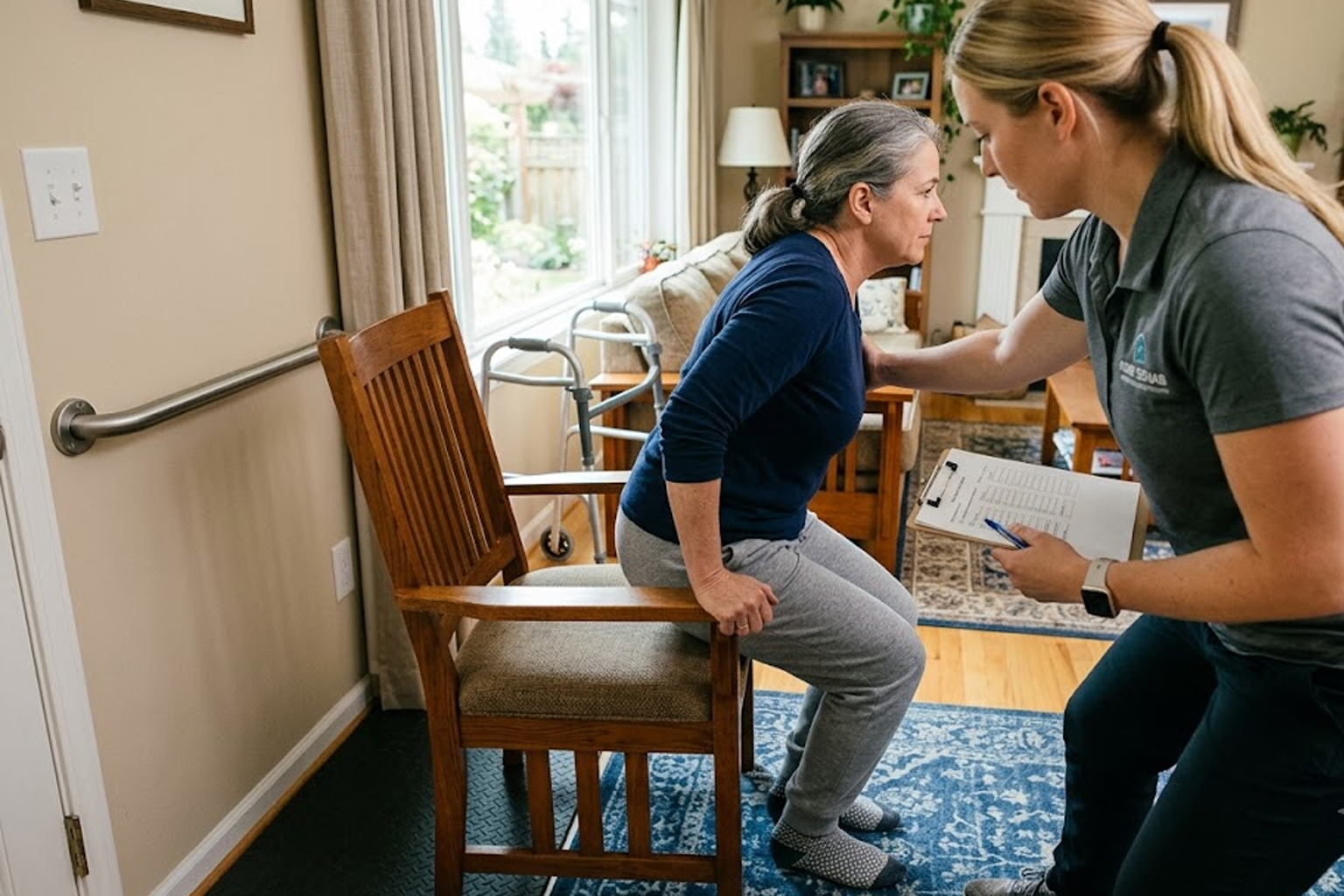
Start with a simple, honest assessment of what you can do today without undue pain or fatigue. Note how long you can stand, walk short distances, perform basic household tasks, and manage stairs or transfers. Recording these baseline measures creates a reference point and clarifies priorities for safe progression. Include observations about balance, endurance, and any activities that provoke symptoms so you can modify plans accordingly.
Regular reassessment, such as weekly check-ins, helps you detect improvement and adjust goals. Keep a brief log of changes to stay motivated and informed.
Designing Small Daily Progressions
Break goals into micro-tasks that can be repeated multiple times per day: short walks, sit-to-stand repetitions, gentle leg lifts, or arm reaches. Aim for manageable repetitions that challenge you slightly without triggering flare-ups, then increase frequency or duration slowly. Use simple timing or counting methods to track progress, such as adding one minute or two extra repetitions each session. Prioritize movement patterns that translate to daily activities like rising from chairs, carrying light objects, and navigating doorways.
Consistency matters more than intensity, so build routines around existing habits like morning hygiene or evening relaxation. Gradual increments minimize risk and support sustainable gains.
Adapting the Home Environment
Make targeted changes to reduce hazards and support independence: clear walking paths, secure loose rugs, ensure adequate lighting, and place frequently used items within easy reach. Consider temporary supports such as non-slip mats, grab bars near seated areas, or a stable chair for balance practice. These adaptations reduce the likelihood of falls and allow you to focus on safe movement. Small environmental tweaks often yield large improvements in confidence and capability.
As mobility improves, gradually remove supports to challenge balance in a controlled way. Balance practice without overreliance on aids helps rebuild resilience.
Monitoring and Adjusting Over Time
Track progress by noting improvements in ease, distance, and confidence performing daily tasks. If pain, swelling, or unusual symptoms arise, scale back activity and consult a clinician for guidance rather than pushing through. Use objective markers such as step counts, timed walks, or the number of independent transfers to guide progression. Celebrate small wins and be prepared to modify plans when life events or fatigue temporarily slow progress.
Long-term recovery benefits from flexibility in planning and patience with setbacks. Maintain regular reflection to keep routines aligned with current ability and goals.
Conclusion
Practical daily practices paired with thoughtful home adaptations create a safe path to restored mobility. Steady, measurable progress and regular reassessment help build strength and confidence without unnecessary risk. Focus on consistency, safety, and small wins to sustain recovery at home.