Recovering movement after medical treatment or injury often feels overwhelming, but steady daily habits can make progress reliable and sustainable. This guide focuses on practical steps you can use at home to rebuild strength, confidence, and balance without unnecessary risk. The emphasis is on pacing, simple environmental adjustments, and progress tracking to avoid setbacks. Small, consistent actions frequently produce larger long-term gains than sporadic intense effort.
Assess readiness and set realistic milestones
Begin by checking basic readiness signs: pain levels, range of motion, tolerance for short activity bursts, and any medical guidance you have been given. Establish short, measurable milestones such as increasing walking time by two minutes or adding one stability exercise per week. Use these measurable goals to pace activity and to celebrate consistent progress rather than perfection. Setting realistic expectations reduces frustration and helps maintain motivation through plateaus.
Keep goals specific and adjustable based on daily symptoms. Reassess weekly and modify plans if pain persists or function worsens.
Make practical home adjustments for safer movement
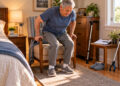
Small changes in the home reduce strain and the risk of reinjury: clear walkways, add nonslip mats in wet areas, and position frequently used items within easy reach. Sit-to-stand transitions and getting in and out of bed are common trouble points; consider a stable chair with armrests and a slightly higher seat while you rebuild leg strength. Good lighting and visible landmarks help balance and confidence during walking. These environmental strategies complement exercises by reducing compensatory movements that can impede recovery.
Simple modifications are often low cost and immediately effective. They allow you to practice movement with less fear and more consistency.
Daily practice: short exercises and recovery habits
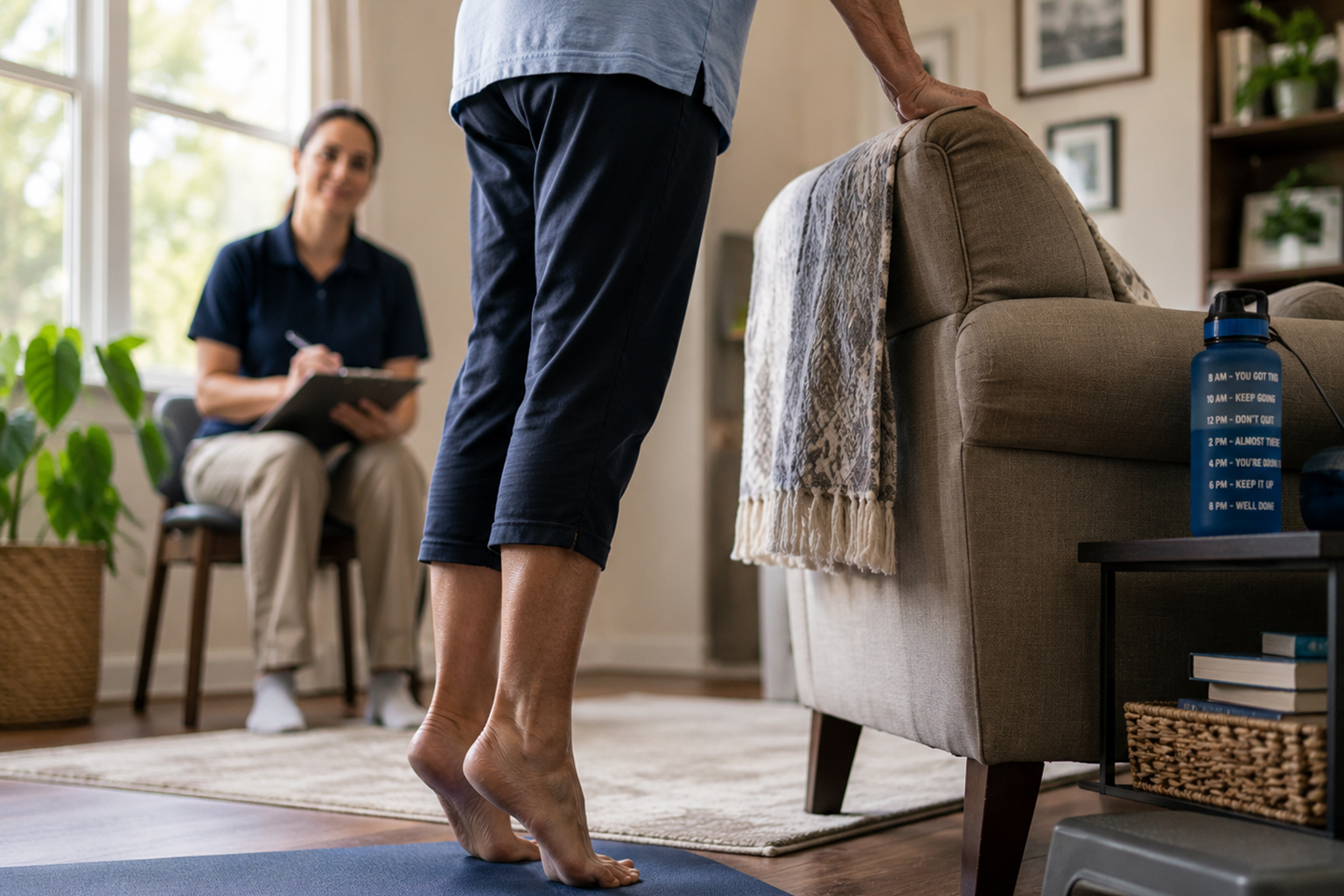
Focus on short, frequent practice sessions rather than long workouts. Include gentle range-of-motion drills, standing balance holds, and low-resistance strengthening moves tailored to your ability. Examples include heel raises, seated leg extensions, and weight shifts while holding a stable surface. Aim for multiple brief repetitions spread through the day to build endurance without overwhelming tissues.
- Heel raises: 2 sets of 8–12 reps, twice daily.
- Seated leg extensions: 3 sets of 10, as tolerated.
- Weight shifts: 30-second holds, 3 times each side.
Allow rest and gentle stretching after sessions to support tissue recovery. Track symptoms and activity to inform gradual increases.
Conclusion
Consistent, measured daily habits help rebuild mobility while minimizing setbacks. Prioritize safety, simple home adjustments, and short, frequent practice sessions. Adjust goals based on progress and consult professionals if pain or function decline.