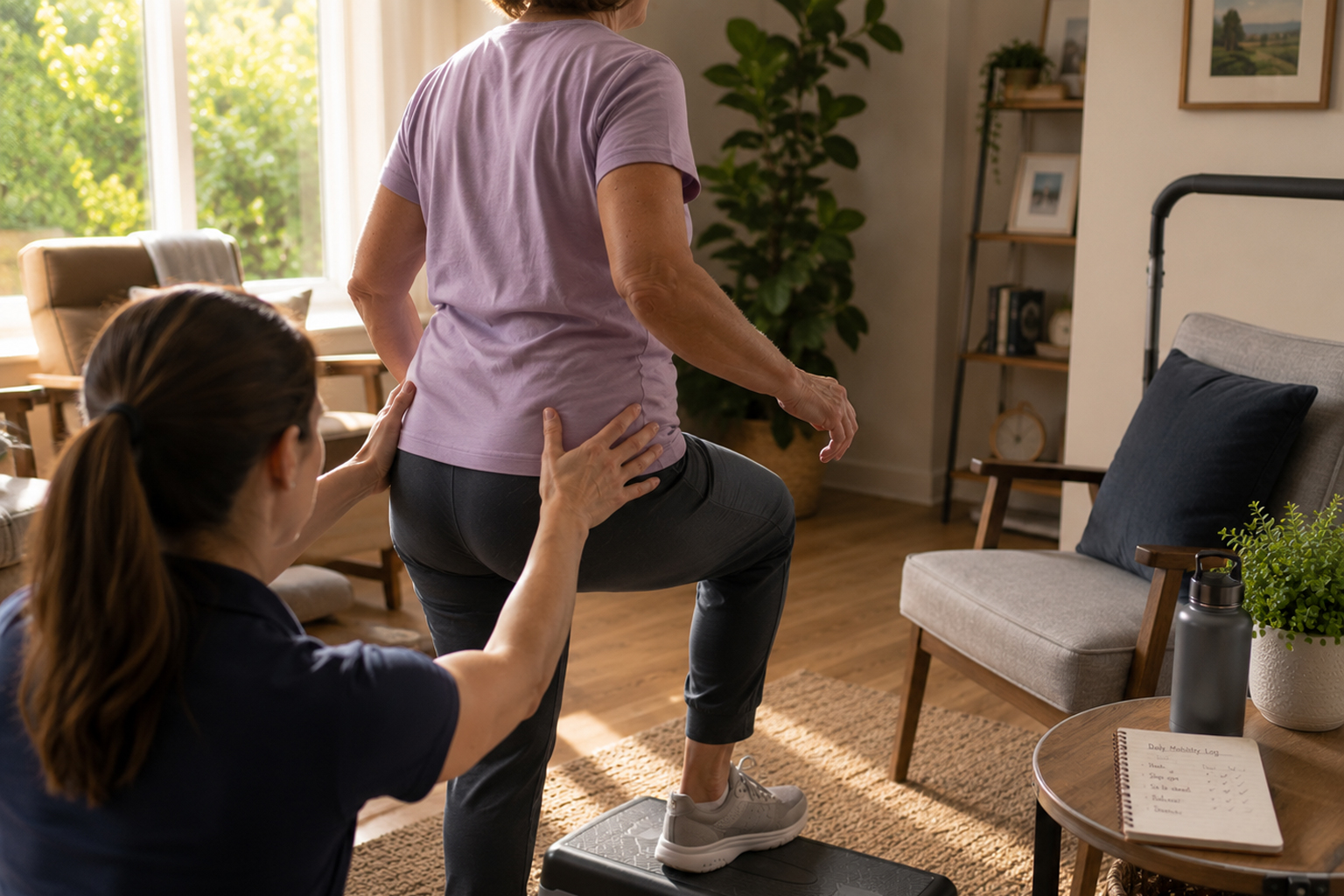
Managing persistent musculoskeletal discomfort often comes down to consistent, small habit changes rather than dramatic interventions. This article outlines practical steps you can integrate into everyday life to protect joints, rebuild strength, and improve comfort. The approach emphasizes predictable routines, gradual progressions, and environmental adjustments that reduce unnecessary strain. These ideas are designed to be sustainable and adaptable to varying abilities.
Set realistic, measurable goals
Begin by defining clear, realistic objectives that focus on function rather than pain elimination alone. Choose small targets like standing for five extra minutes, walking a short distance, or performing a brief daily stretch sequence. Tracking incremental gains helps maintain motivation and provides data to guide safe progressions. Clear goals also make it easier to identify when to pause or modify activity.
Break larger aims into weekly steps and celebrate small wins to sustain consistency. When goals feel achievable they naturally encourage repetition and steady improvement.
Embed gentle, consistent movement
Regular movement preserves mobility and supports tissue resilience; the emphasis should be on frequency and low load. Practice short sessions of mobility, balance, and light strengthening throughout the day rather than a single long workout. Gentle variations reduce the likelihood of overload while maintaining neuromuscular control and confidence in movement. Consistency matters more than intensity for long-term adaptation.
Schedule brief movement windows into daily routines, such as morning mobility and midday walks. Over time these small habits accumulate into meaningful functional improvements.
Adjust your environment for daily support
Modify common setups to reduce cumulative strain across the day without removing necessary activity. Small changes like chair height, reachable storage, or supportive cushions can alter load on sensitive areas and make tasks easier. Organizing frequent-use items within comfortable reach decreases awkward postures and helps maintain neutral alignment. Think about the daily flow of tasks and remove predictable friction points.
Environmental tweaks are not replacements for movement but they complement progressive activity by preventing unnecessary setbacks. Combined they create a safer context for rebuilding capacity.
Pacing and gradual progression
Use pacing strategies to balance activity and recovery so improvements are sustainable and flare-ups are minimized. Increase activity in small increments and allow predictable rest periods, adapting based on response rather than a fixed timetable. Monitor how tasks affect fatigue and soreness, and scale efforts to preserve daily function. Learning to titrate intensity helps build durability without provoking setbacks.
Document subjective responses and adjust the plan accordingly to maintain forward momentum. Gradual progress fosters confidence and long-term resilience.
Conclusion
Small, consistent habit shifts and thoughtful setups together create a durable path toward better function and reduced flare-ups. Prioritizing realistic goals, frequent gentle movement, and careful pacing helps rebuild capacity without undue risk. With steady practice these strategies support meaningful mobility gains over time.