Persistent musculoskeletal pain changes how you move, rest, and plan your day. Building a consistent, gentle routine at home helps reduce flare-ups and restore function over weeks and months. Small, repeatable habits are more effective than occasional intense efforts because they respect recovery and build confidence. This introduction outlines practical approaches you can adapt to your lifestyle without specialized equipment.
Movement and Pacing
Start with short, targeted movement sessions that prioritize control over intensity. Use brief sets of mobility and low-load strength work several times per day, focusing on pain-free ranges and gradual progression. Learn to pace activities by alternating effort with short rests to avoid accumulating strain across the day. Over weeks, slowly increase duration or repetitions only when symptoms remain stable between sessions.
Micro-sessions preserve energy and reduce risk of setbacks while delivering consistent stimulus for improvement. Keep a simple plan that is easy to repeat so it becomes part of your normal day.
Environment and Ergonomics
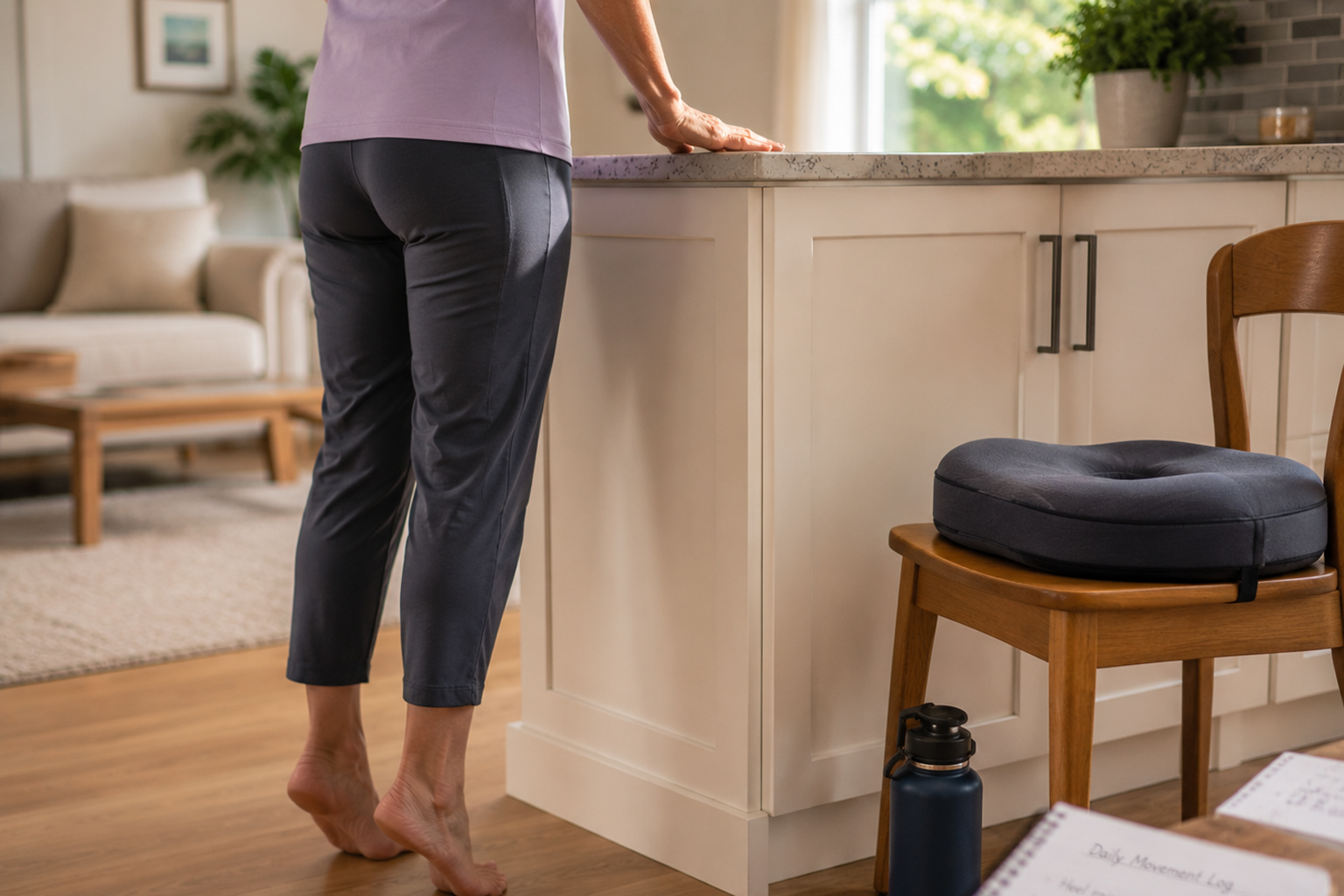
Adjust your living spaces to support neutral posture and reduce unnecessary loading on sensitive areas. Small changes—like seat height, reach distances, or the position of frequently used items—can lower cumulative strain during chores and work. Assess common tasks and create small work-arounds that prevent awkward positions or prolonged static postures. Consistent, modest changes add up and make movement easier throughout the day.
Regularly review your setups and tweak them as your tolerance improves. These adaptations help you move more freely with less pain and fewer interruptions.
Strength, Flexibility, and Balance
Combine gentle strengthening with flexibility and balance practice to support joint health and movement confidence. Emphasize exercises that train functional patterns—standing from a chair, reaching, or step control—rather than isolated, high-load moves. Include balance challenges to reduce fall risk and improve coordination, which often reduces compensatory strain elsewhere. Progress exercises by small increments to maintain steady gains without provoking symptoms.
- Low-load squats or sit-to-stand: 6–12 reps.
- Seated or standing heel raises for ankle strength: 8–15 reps.
- Short single-leg balance holds near a support: 10–30 seconds.
Tailor choices to your current ability and revisit them periodically to keep advancing safely. Tracking small wins encourages continued adherence and steady recovery.
Daily Habits and Tracking
Consistency wins over perfection. Use a brief daily log to note activity, symptom patterns, and sleep or stress factors that influence comfort. Identify triggers and successful strategies so you can emphasize what helps and avoid what provokes. Rest, hydration, and sleep quality interact with movement recovery and should be part of your routine considerations.
Review progress weekly and adjust goals to be realistic and specific. Small, measurable changes are more motivating and sustainable than broad promises.
Conclusion
Gentle, consistent practices at home rebuild capacity and reduce flare-ups over time. Focus on pacing, small ergonomic changes, and gradual progression in strength and balance work. Keep a simple tracking habit to guide adjustments and celebrate steady improvements.