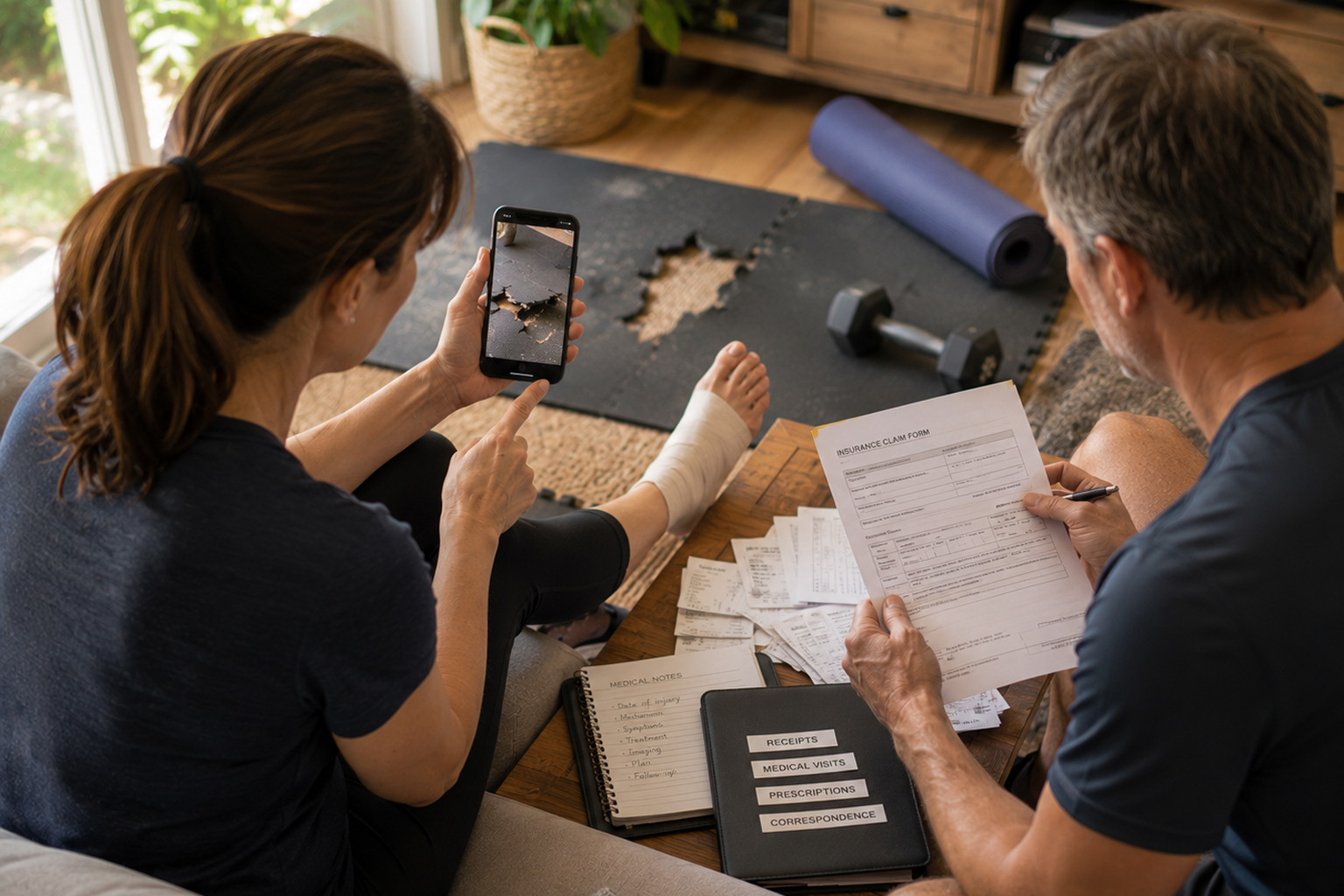
When a workout at home leads to medical attention, knowing how to navigate insurance can save time and out-of-pocket expense.
Start by understanding the basics of your plan and where gaps may exist.
This article outlines practical steps to improve claim outcomes for incidents tied to home exercise.
Following a clear process helps both recovery and reimbursement.
Review your policy details
Begin with a careful read of your insurance policy, focusing on emergency, urgent care, telehealth, and rehabilitation benefits. Check deductibles, out-of-pocket maximums, and any exclusions that might apply to injuries from personal activities. Pay attention to provider networks and preauthorization rules for imaging or specialist referrals. This baseline helps set realistic expectations before seeking care.
Also note timelines for filing claims and any required documentation. Knowing these elements reduces denials and speeds resolution.
Document incidents clearly
Accurate documentation is often the single most important factor in successful claims. Write a clear account of how the injury occurred, collect photos of the scene or equipment, and save receipts for any immediate care or supplies. Request written notes and diagnostic reports from providers, and ask that records describe the causal link between exercise and injury. Strong, consistent records make it easier for reviewers to assess medical necessity.
Keep a simple folder or digital file with timestamps and copies of everything related to the event. This organized evidence streamlines conversations with insurers and providers.
File claims strategically
Submit claims promptly and follow insurer instructions for forms and supporting documents to minimize back-and-forth. If a claim is denied, review the explanation of benefits carefully to identify the precise reason and gather any missing information. Use online portals for status checks and maintain a written log of calls, names, and dates when you speak with customer service. Persistence combined with clear records often turns initial denials into approvals.
If necessary, use the formal appeal process and include a concise cover letter explaining why the care was necessary. Independent reviews or peer opinions can strengthen an appeal.
Coordinate care and control costs
When possible, choose in-network providers and ask about lower-cost facility options such as urgent care or telehealth for non-life-threatening issues. Prior authorization for referrals and imaging can prevent surprise bills, so start those requests early when your plan requires them. Discuss payment plans or patient advocacy options with providers if bills are high while claims are pending. Small choices in care settings and timing can materially affect final out-of-pocket expense.
Maintain communication between your provider and insurer to ensure coding and diagnoses match your claim rationale. Proactive coordination reduces misunderstandings and billing errors.
Conclusion
Improving claim outcomes starts with knowing your policy and documenting incidents thoroughly.
Prompt filing, clear communication, and strategic provider choices matter when you need care after a home workout.
With organized records and persistence you can reduce delays and unexpected costs.