Managing persistent musculoskeletal pain at home requires a balanced, evidence-informed approach that combines movement, environment, and pacing. Small consistent steps often yield better outcomes than sporadic intense efforts. This article outlines practical strategies you can adapt to daily life without specialist equipment. The goal is steady progress, reduced flare-ups, and improved confidence in everyday tasks.
Assess and Prioritize
Begin with a simple assessment of what activities cause pain, what improves comfort, and which tasks are essential. Note patterns across days and weeks rather than reacting to single bad episodes. Prioritizing tasks helps allocate energy to movements that support function and avoid unnecessary strain. When in doubt, start with low-demand activities and gradually reintroduce more challenging tasks.
Identify two or three focal goals that are realistic and measurable, such as walking a short distance or preparing a simple meal with minimal discomfort. Keep expectations modest to maintain motivation and avoid setbacks.
Movement Principles and Gentle Strength
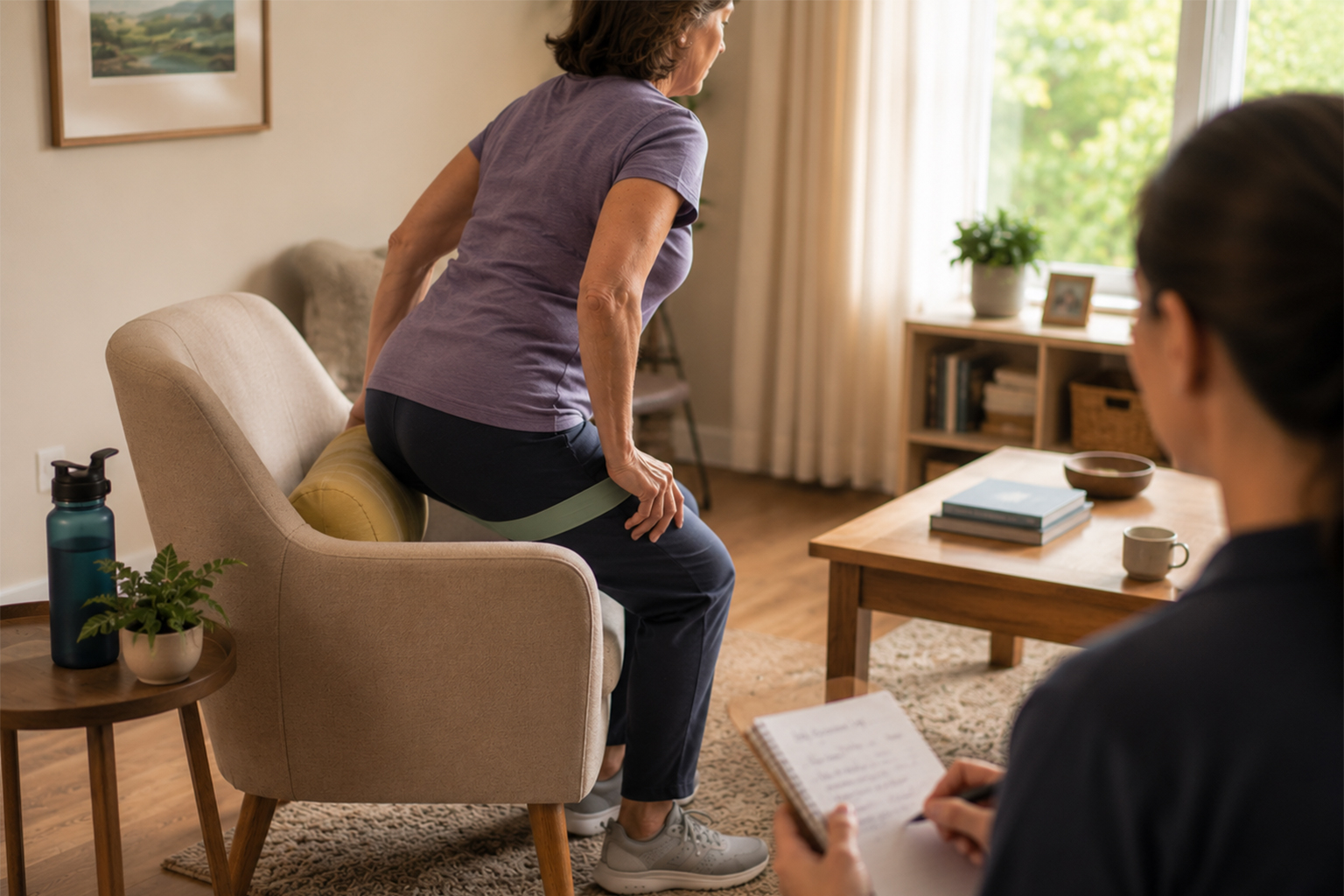
Focus on consistent, low-impact movement and gradual strength work to support joints and muscles. Short sessions performed several times daily are usually better tolerated than a single long effort. Emphasize quality of movement: controlled range of motion, neutral alignment, and breathing. Include basic habits such as sit-to-stand practice, gentle hip and shoulder mobility, and light resistance exercises tailored to your comfort.
- Start with supported squats or chair stands.
- Use resistance bands for controlled shoulder and hip work.
- Include 5–10 minutes of mobility after sitting.
Consistency matters more than intensity; aim for gradual progression and steady tempo to rebuild capacity without provoking flare-ups.
Ergonomic and Environmental Adjustments
Small changes to your environment reduce unnecessary strain and make healthy habits easier. Assess seating, workstation height, mattress comfort, and how often you need to reach or bend during routine tasks. Simple props like a lumbar roll, a footstool, or rearranged frequently used items can cut down repetitive loading on sensitive areas. Prioritize edits that fit your home and daily flow to encourage sustained use.
- Position frequently used items within easy reach.
- Adjust chair height to maintain neutral spine and hips.
- Rotate tasks to avoid prolonged positions and sustain variety.
Implement one environmental change at a time and evaluate its effect over several days to see meaningful results without overcomplicating your setup.
Pacing, Progression and Tracking
Pacing helps balance activity and rest so you can increase tolerance without setbacks. Use short activity blocks and planned recovery, and record perceived effort and symptom response to guide adjustments. Progress by small increments: a little more duration, slightly higher resistance, or a modest increase in repetitions. Tracking progress builds confidence and highlights trends that inform safer choices.
Regularly revisit goals and adjust pace based on how your body responds. When progress stalls, consult appropriate professionals for targeted advice and to rule out other drivers of pain.
Conclusion
Building pain resilience at home is a gradual process rooted in consistent, manageable habits that combine movement, setup, and pacing. Small, measurable changes over weeks lead to sustainable improvements and greater day-to-day confidence. Keep goals realistic and track responses to stay on a steady path forward.