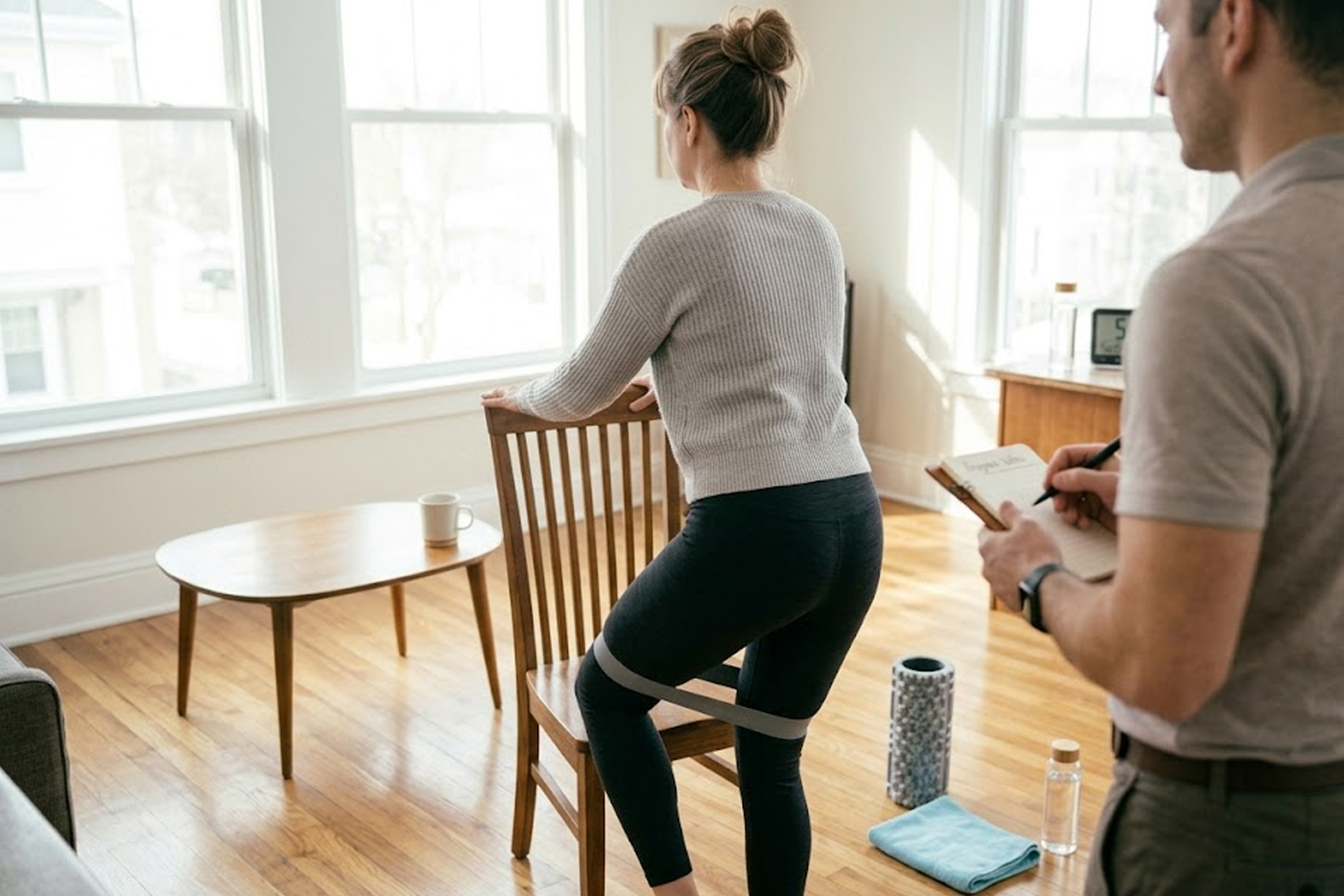
Recovering comfort and function after persistent musculoskeletal pain often happens through steady, manageable changes rather than dramatic interventions. A home-based routine that prioritizes gradual progression, consistent micro-movements, and sensible rest can reduce flare-ups while rebuilding confidence. This approach emphasizes small daily wins: short mobility sessions, light strengthening, and attention to posture during common tasks. Over weeks and months these habits compound, improving tolerance and enabling safer activity over time.
Starting simple and avoiding all-or-nothing thinking makes routines sustainable and reduces the risk of setbacks. Clear boundaries around pacing and recovery help maintain forward momentum without overwhelming symptoms.
Principles of Gentle Progression
Gentle progression means increasing load or complexity slowly so tissues and pain-regulation systems can adapt. Begin with controlled ranges of motion and low-resistance strengthening, observing how your body responds over 48 to 72 hours. Prioritize quality of movement and consistent breathing rather than quantity; a few well-executed repetitions daily often beat sporadic intense sessions. Use objective markers, such as ability to perform daily tasks or sleep quality, to guide incremental increases.
Respecting pain signals while distinguishing them from harmless discomfort is essential; mild soreness that improves with movement is different to sharp, worsening pain that restricts function. When in doubt, reduce intensity and consult a professional for tailored guidance.
Daily Structure and Smart Pacing
Design each day with predictable, short movement windows and planned rest periods to avoid cumulative strain. Morning mobility, a midday gentle strengthening set, and a brief evening stretch can distribute load and support recovery. Integrate micro-breaks into sedentary activities to reset posture and promote circulation, and alternate harder efforts with lighter tasks to preserve capacity. Track activity and symptom patterns to identify triggers and adjust pacing accordingly.
- Morning: 5–10 minutes of joint mobility and breathing.
- Midday: 8–12 minutes of low-resistance strengthening or balance work.
- Evening: 5 minutes of gentle stretching and relaxation techniques.
Consistency matters more than intensity; short, frequent sessions create durable improvements while maintaining low risk of flare-ups. Build gradually and celebrate small gains to sustain adherence.
Optimizing Your Space and Tools
Arrange your home so frequently used items are within comfortable reach and work surfaces support neutral posture. Simple tools such as a resistance band, a stable chair, and a foam roller can expand exercise variety without requiring much space. Good lighting, clear pathways, and ergonomic seating reduce unnecessary strain during daily tasks and promote safer movement. Adaptations should be practical and reversible so they support independence rather than create dependency.
Regularly reassess your environment as function improves; remove aids that are no longer needed to encourage progressive challenge. Small, thoughtful changes to your surroundings amplify the benefits of movement routines.
Conclusion
Consistent, gentle home-based routines rebuild movement capacity while minimizing setbacks. Focus on gradual progression, practical pacing, and a supportive environment to create lasting change. Over time these habits translate into improved function and greater confidence in daily activity.