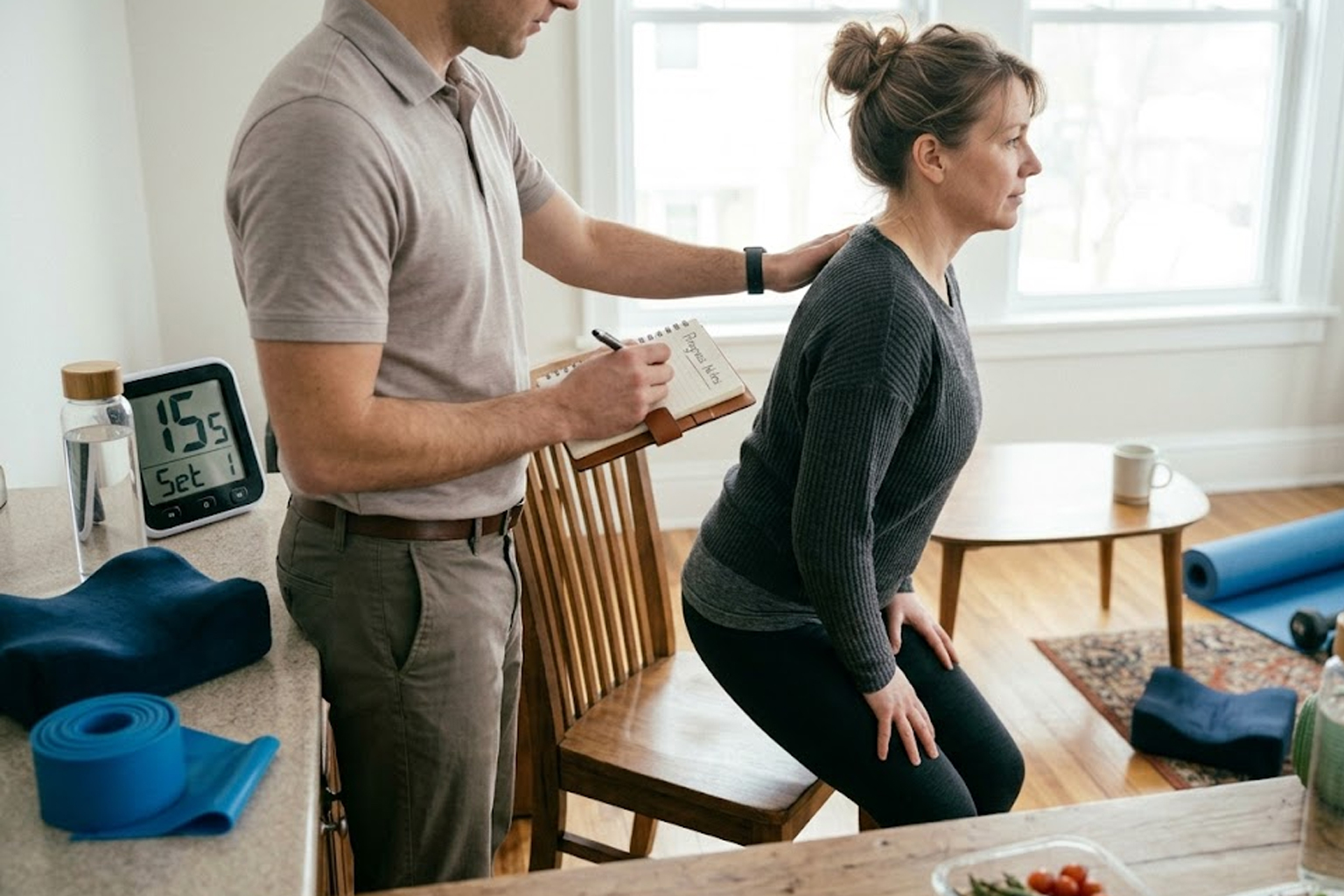
Recovering joint comfort at home benefits from measured, consistent steps that respect current limits while promoting adaptation. A practical plan focuses on safe loading, gradual strength, and simple ergonomics that fit into daily life. Small repeated actions reduce flare-ups and gradually restore confidence in common tasks and movement patterns. The approach outlined here is adaptable, evidence-minded, and intended to prevent setbacks while improving function over time.
Start with a realistic baseline
Begin by observing what you can do reliably without pain increasing over the next 24 hours, and avoid trying to force a leap forward. Track a few simple metrics such as comfortable range of motion, repeated sit-to-stand counts, and the duration of morning stiffness to quantify starting capacity. Use short sessions and pain-monitoring to set initial loads rather than pushing through significant discomfort, and prefer consistent small efforts over sporadic heavy attempts. Regular, measured testing provides a clear starting point and guides safe progress.
This baseline anchors progress and prevents common setbacks related to overuse. Reassess weekly to refine targets and increase confidence in adjustments.
Progressive strength and mobility work
Build resilience with short, focused sessions that blend mobility drills and low-load strength exercises tailored to the joints you are rehabilitating. Prioritize controlled, multi-joint movements such as slow squats, hip hinges, modified lunges, and gentle shoulder presses using bodyweight or light resistance bands. Aim for consistency — three to five brief sessions per week often produces more reliable gains than infrequent intense workouts — and emphasize technique, controlled tempo, and steady breathing. Gradual overload, properly paced, stimulates adaptation without provoking flare-ups.
Increase volume or intensity incrementally while monitoring symptoms to ensure changes are tolerated. If a movement provokes prolonged pain, scale back, modify range, or substitute an exercise that targets the same capacity without aggravation.
Daily habits to protect gains
Small behavioral changes amplify training benefits and reduce cumulative strain across the day by limiting repetitive stress and prolonged static postures. Adjust seating height, split demanding tasks into shorter segments, and build micro-breaks for gentle movement and posture resets every 30 to 60 minutes. Support recovery with adequate sleep, hydration, balanced nutrition, and deliberate rest days that include active recovery like walking or light stretching. These background habits make exercise gains more durable and reduce risk of recurrent pain.
- Set phone or timer reminders for movement breaks.
- Alternate tasks to avoid one-sided loading.
- Use simple supports like cushions or footrests as needed.
These habits create a safer environment for rebuilding capacity and lower the risk of flare-ups. Over time they help integrate stronger, more resilient movement into daily life.
Managing flare-ups and recovery
Expect occasional increases in discomfort as tissues adapt; have a plan to respond so a temporary flare does not derail overall progress. Immediate strategies include reducing load, switching to pain-free alternatives, applying local cold or heat depending on preference, and prioritizing gentle movement rather than complete immobility. Track patterns to identify triggers and adjust the program accordingly, and use graded return-to-activity once symptoms settle. Seek professional input if pain worsens substantially or if new neurological symptoms appear.
A clear recovery strategy preserves momentum and minimizes regression. With sensible adjustments most people can continue steady improvements without prolonged interruptions.
Conclusion
Rebuilding joint resilience at home is a gradual, adaptable process that rewards consistency and sensible progression. Start with a clear baseline, prioritize safe strength and mobility work, and reinforce gains through practical daily habits. Over time, these steps combine to restore function and reduce the likelihood of recurrent pain.