Consistent energy for home workouts starts with predictable meal patterns, not perfection. Small adjustments to what and when you eat can stabilize performance and recovery across the week. This article outlines practical, easy-to-adopt fueling patterns that fit busy schedules and varied training times. These approaches emphasize balance, simplicity, and repeatability so you can focus more on training and less on planning.
Developing a routine that suits your day helps avoid energy dips and overeating, and it makes progress easier to sustain.
Plan Meals Around Energy Peaks
Identify the times when you feel most energetic and schedule larger meals or workouts accordingly. If you train in the morning, a light carbohydrate-rich snack plus protein can provide fuel without discomfort, while an afternoon session may benefit from a full balanced meal two to three hours beforehand. Evening workouts often require smaller, easily digestible options to avoid interrupted sleep. Adjust portion size and macronutrient balance to match session intensity and duration so energy levels remain steady.
Consistency here reduces guesswork and helps your body adapt to reliable fuel cues.
Build Balanced Plates for Performance
Every main meal should include a lean protein source, a moderate portion of carbohydrates, and vegetables or fiber-rich foods. Protein supports muscle maintenance and recovery, carbohydrates replenish glycogen for repeated sessions, and fiber plus healthy fats extend satiety and steady blood sugar. Aim for plates that are simple to assemble from common ingredients to increase adherence. Prioritize whole foods but allow flexibility for convenience without guilt.
Small, intentional swaps—like brown rice for white rice or canned beans for processed sides—raise nutrient density with minimal effort.
Smart Snacks and Hydration Between Sessions
Use snacks strategically to bridge long gaps between meals and to top up energy before or after workouts. Combine protein and carbs in a snack, such as yogurt with fruit or a nut butter toast, to support both performance and recovery. Hydration is equally important; consistent fluid intake maintains focus and reduces perceived exertion during exercise. Electrolyte-rich choices can help when sweat losses are high or sessions are prolonged.
Keep portable snack options accessible to avoid resorting to less optimal convenience foods when time is tight.
Weekly Prep Habits That Reduce Decision Fatigue
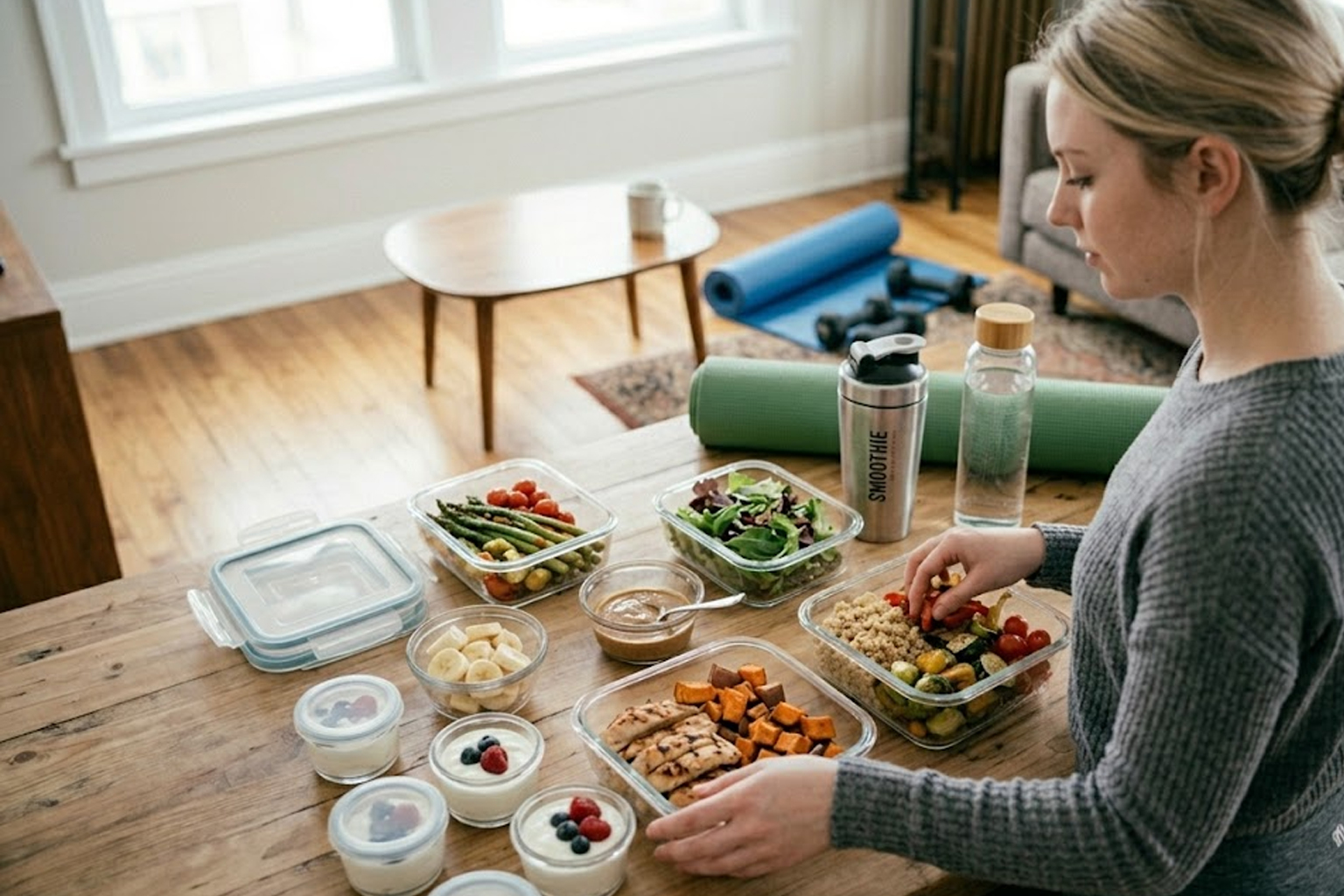
Spend a short block of time once or twice weekly to batch-cook staples like grains, roasted vegetables, and protein portions. Pre-portioning meals and snacks into reusable containers speeds meal assembly and keeps portions consistent without daily effort. A simple grocery list focused on versatile ingredients minimizes shopping stress and supports varied meals. When prep becomes routine, it frees mental energy for training and recovery priorities.
Start small—prepare two to three components per session and build from there as the habit sticks.
Conclusion
Adopt consistent meal patterns that reflect your workout schedule and lifestyle. Prioritize balanced plates, timely snacks, and light weekly prep to reduce friction. Over time, these habits translate into steadier energy and more reliable training progress.