Knowing what your health insurance will and won’t pay after a home workout injury saves time and stress. Read the policy terms that affect emergency visits, physical therapy, and durable medical equipment. Pay attention to network rules, prior authorization requirements, and any rehabilitation limits. A little preparation helps keep costs from spiraling when an injury happens.
Check emergency care, urgent care, and telehealth rules
Start by confirming how your plan treats different levels of care: emergency departments, urgent care clinics, and telehealth visits are often covered differently. Many plans have lower out-of-pocket costs for in-network urgent care than for an ER visit, but the ER may be the only appropriate option in serious injuries. Telehealth can be a quick first step for minor sprains or guidance, but insurers sometimes limit follow-up care if the first visit was virtual. Make a note of any specific phone numbers or online portals your insurer prefers for urgent claims.
Keep a short list of in-network urgent clinics and telehealth options you can access quickly. That helps you choose care that reduces surprise bills and speeds approvals.
Documenting the injury and medical care for claims
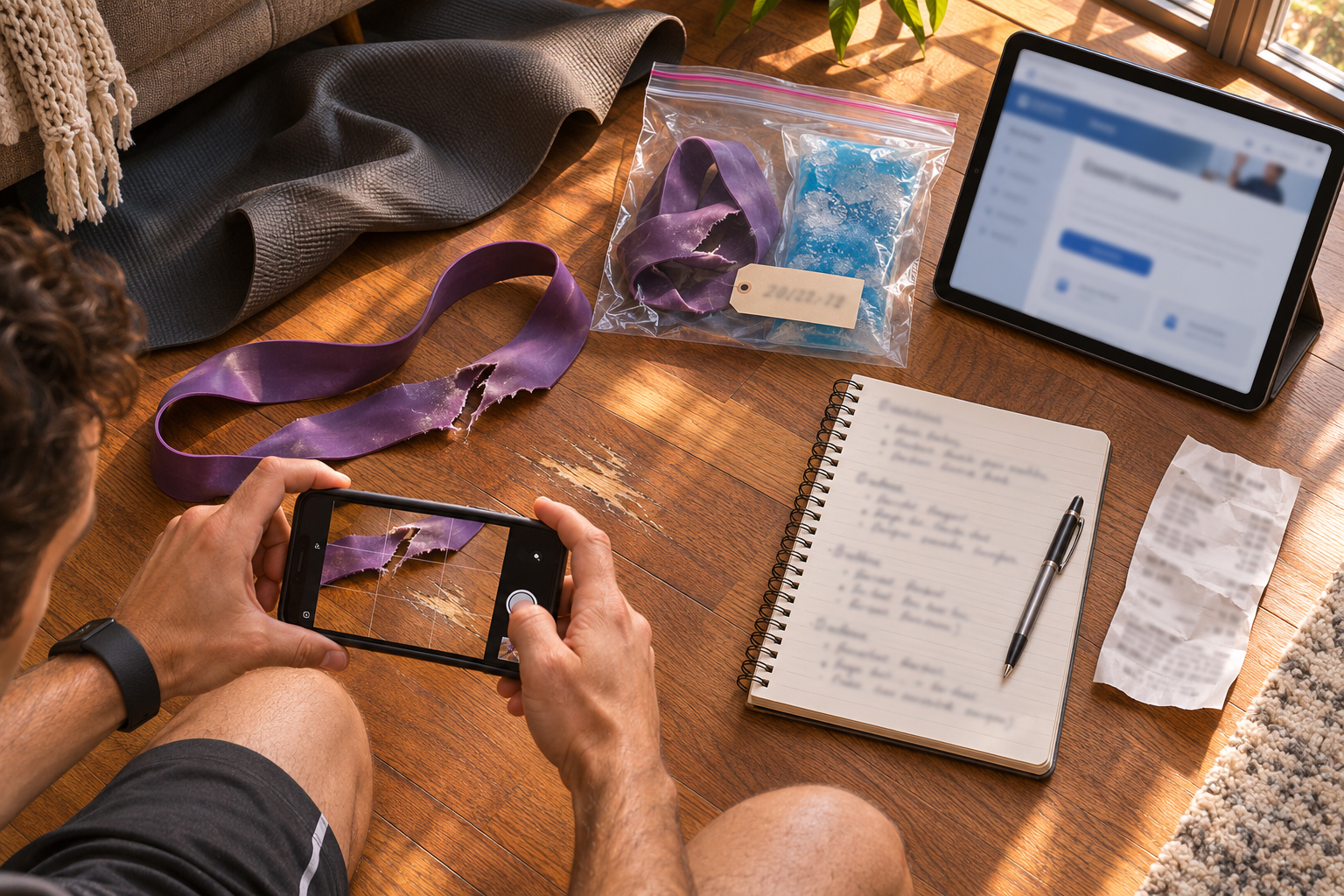
Detailed documentation is the backbone of a successful claim: dates, symptoms, photos of the scene or equipment, and copies of bills and receipts matter. File an incident report if a borrowed or faulty piece of equipment caused the harm; that paperwork helps if there is a third-party responsibility. When you see a provider, ask for clear diagnostic notes and a written plan of care so insurers understand the medical necessity. Keep digital and paper copies organized by date to make appeals or questions easier to answer.
- Take photos immediately and save any damaged equipment.
- Request itemized bills and a treatment summary from each provider.
- Note names and badge numbers of clinicians you saw.
These steps reduce disputes and speed processing when you submit claims or request prior authorizations. Organized records also make appeals more convincing if a claim is denied.
Understanding rehab, durable medical equipment, and out-of-network costs
Rehabilitation benefits vary: some plans cap physical therapy visits, require a referral, or insist on in-network providers for full coverage. Durable medical equipment—braces, supports, or mobility aids—may need prior approval and specific supplier billing to be covered. Out-of-network care can lead to much higher bills, so check how emergency exceptions are handled and whether balance billing is permitted. If a specialist is necessary, ask your insurer how to get an in-network option quickly.
If you expect ongoing therapy or costly equipment, call your insurer before committing to a provider. Early authorization often prevents surprise expenses and improves claim outcomes.
Conclusion
Read your policy carefully and make quick calls after an injury. Keep clear records and ask about prior authorization for therapy or equipment. These steps help control cost and get you the care you need.