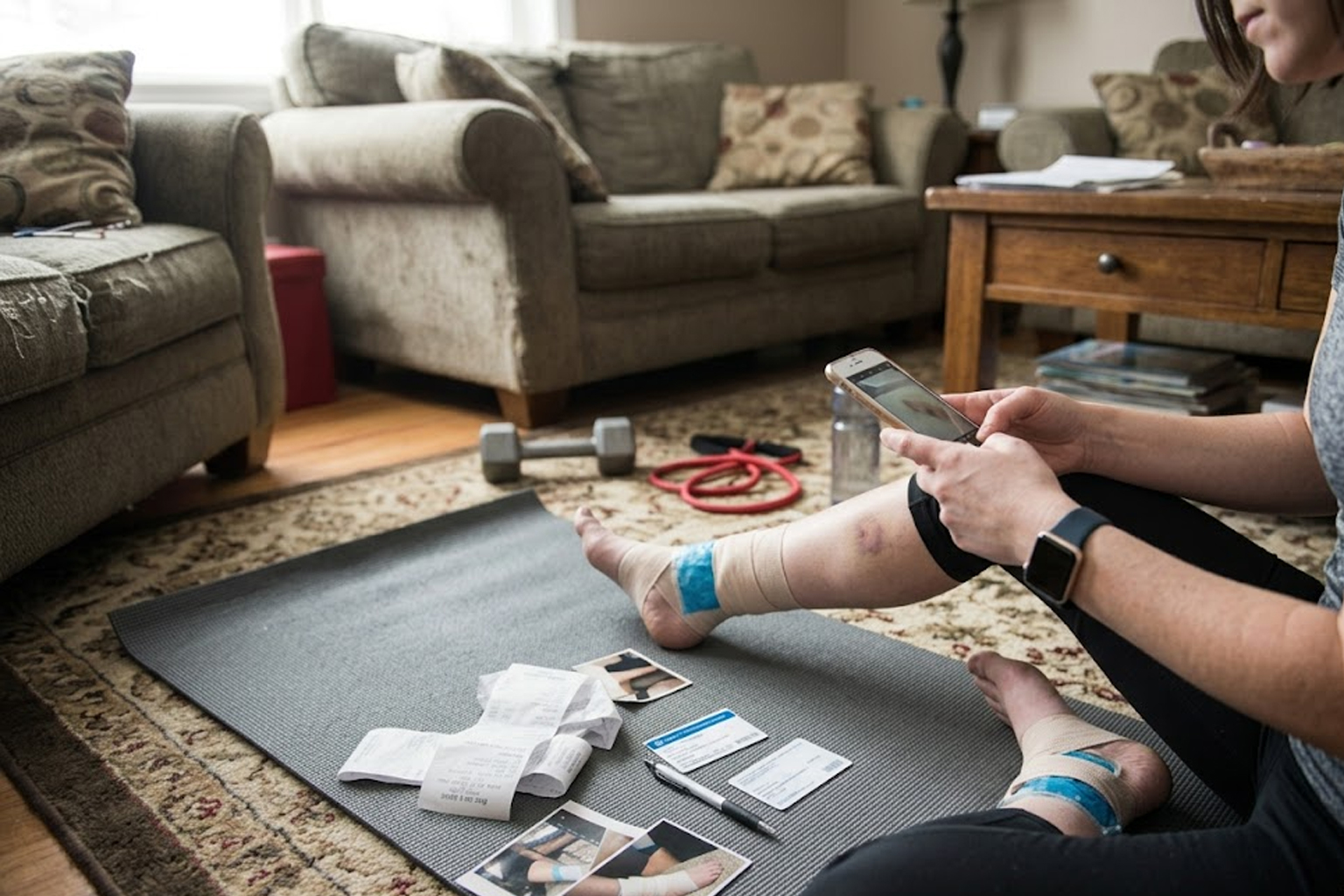
At-home exercise is convenient and cost-effective, but accidents and injuries still occur. Knowing how your medical insurance responds to workout-related care can reduce stress and unexpected expenses. This article outlines practical policy features and steps to take if you are injured while exercising at home. It will help you review coverage, document incidents, and access appropriate care.
Why coverage matters
Medical bills from even minor injuries can add up quickly, especially when imaging, specialist visits, or physical therapy are involved. Some plans limit coverage for out-of-network providers or require preauthorization for certain treatments, affecting your options after a home workout injury. Understanding these constraints in advance helps you make informed choices about where to get care and when to file a claim. Coverage clarity also reduces delays in treatment and surprise costs.
Assessing why coverage matters encourages smarter decisions about prevention and response. It also empowers you to choose plans and providers that align with an active lifestyle.
Key policy elements to check
Start by reviewing deductibles, co-pays, and out-of-pocket maximums to estimate potential financial exposure. Look at network rules, emergency versus urgent care definitions, and whether physical therapy or rehabilitation services are covered. Pay attention to exclusions or rider language that might affect accidents occurring during unsupervised exercise or while using certain equipment. Also confirm authorization requirements for imaging studies and specialist referrals.
- Deductible and copay amounts.
- Network provider availability.
- Rehab and therapy coverage limits.
- Preauthorization rules.
Having these details at hand makes it faster to navigate a claim after an injury. It also helps you weigh plan options before renewing or switching coverage.
Preparing documentation and seeking care
If an injury occurs, document the incident with dates, photos, and a brief account of what happened, and keep receipts for any related expenses. Seek timely care through an in-network provider when possible, and ask the clinician to note that the injury was exercise-related in their records. If you need an out-of-network visit, save all authorizations and explanations from the insurer. Early and thorough documentation supports claim approvals and reduces back-and-forth.
Communicating clearly with your insurer and provider prevents common misunderstandings. Keep a simple file with medical notes and insurer correspondence until the claim is resolved.
Conclusion
A proactive approach to insurance helps protect both your health and finances when exercising at home. Regularly reviewing plan details, preparing documentation, and choosing appropriate care pathways will reduce surprises. Take time each year to align your coverage with your activity level.