Accidents in a home gym can be physically and financially disruptive, and understanding your medical coverage ahead of time reduces uncertainty. Many policies cover emergency visits and basic outpatient care but vary on rehabilitation, durable equipment, and out-of-network treatment. This article outlines practical steps to check your policy, document incidents, and manage claims so you can focus on recovery. Use these preventive checks to avoid surprises and speed approvals when care is needed.
Identify what your policy covers
Start by reading your summary of benefits to identify covered services and typical cost sharing for urgent care, emergency departments, and rehabilitation. Pay attention to deductibles, copays, coinsurance, and any limits on physical therapy sessions or durable medical equipment. Check network rules: in-network providers significantly lower out-of-pocket costs, while out-of-network care often triggers larger bills or prior authorization requirements. Also confirm whether telemedicine or virtual consultations are accepted for initial triage or follow-up care.
- Emergency care and urgent care coverage
- Rehabilitation and physical therapy limits
- Durable medical equipment and assistive devices
- Network restrictions and preauthorization rules
Mark relevant policy pages or print them for quick access after an incident. Knowing where these clauses live helps you make faster decisions about where to seek care.
Gather evidence and document incidents
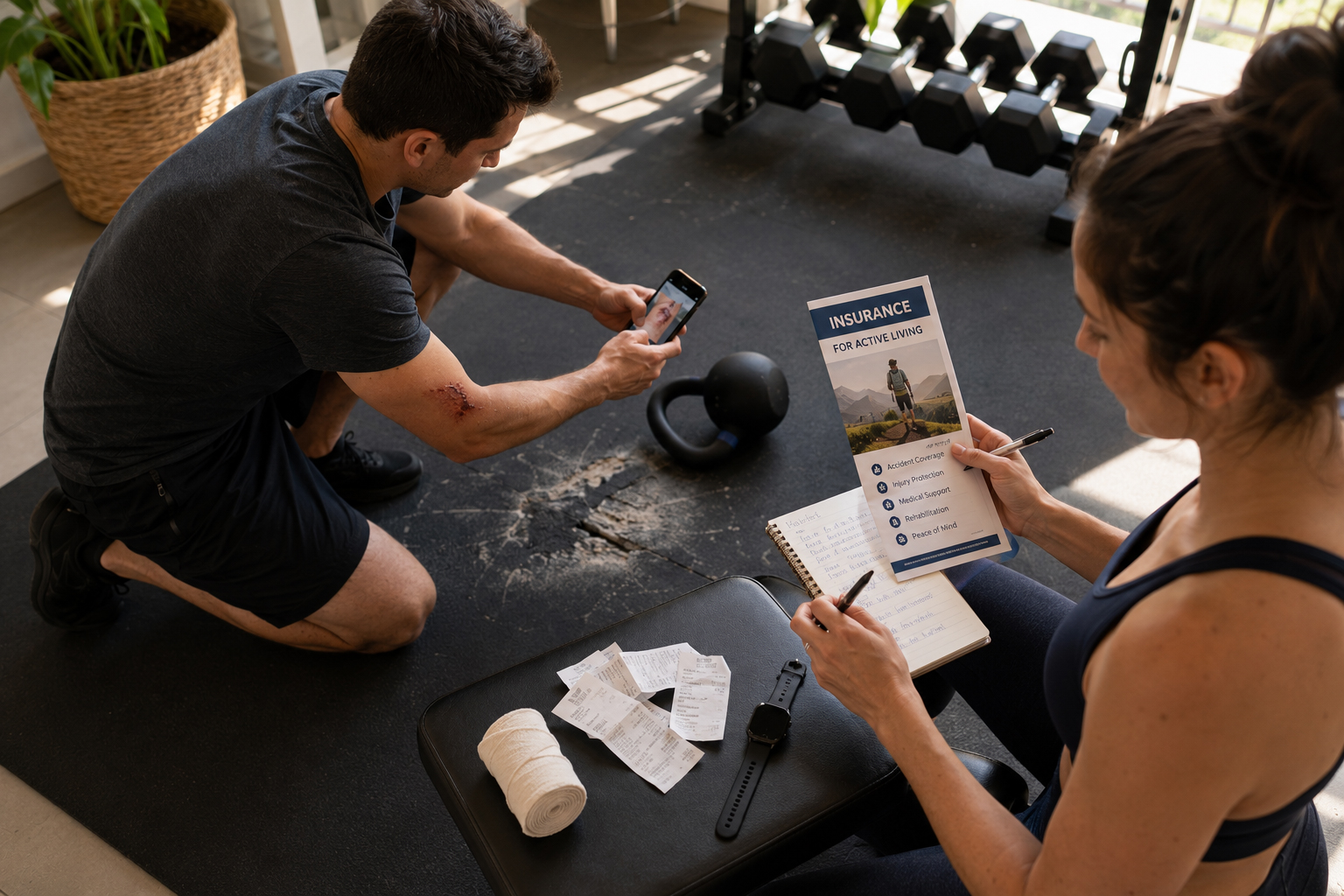
When an injury occurs, document the incident thoroughly: date, time, circumstances, and any equipment involved. Take clear photos of the scene and injuries, keep receipts for any first aid or diagnostic tests, and obtain written notes from treating providers. These materials support claim validity and accelerate reviews if the insurer requests medical necessity documentation. Early documentation also protects you when multiple parties must be contacted or when appeals become necessary.
- Photos of the injury and equipment
- Provider notes, test results, and receipts
- Witness contact information and timelines
Store digital copies in a dedicated folder and back them up. Prompt organization reduces stress and avoids missed deadlines during a claim.
Manage claims and appeals effectively
Notify your insurer as soon as possible and follow their claim submission procedures, which often include online portals or phone reporting. If care requires preauthorization—common for imaging, specialist visits, or extended therapy—seek approval before scheduling when feasible. If a claim is denied, review the denial reason, gather supporting evidence, and use the insurer’s appeal process within stated timeframes. Consider asking for a nurse case manager or continuity-of-care support when treatment is prolonged.
- Ask for preauthorization confirmation in writing
- Keep a written log of all insurer communications
Clear communication and timely appeals can reverse many denials. Persistent, documented follow-up is often the difference between paid and unpaid claims.
Conclusion
Understanding policy details, documenting incidents, and acting quickly on claims are the three practical pillars of managing home gym accidents. Taking these steps ahead of time reduces financial stress and supports smoother recovery. Review your coverage periodically and update documentation habits as your routine or equipment changes.