Consistent home training needs a steady, realistic eating approach that supports energy and recovery without complicating the day. This article outlines simple foundations—what to prioritize, when to eat, and practical meal templates—that fit a busy at-home routine. The goal is to make food choices predictable, effective, and easy to prepare so workouts feel supported rather than fought against. Adoptable steps here help maintain performance across weeks rather than relying on perfect days.
Small changes add up: emphasizing quality carbohydrates, reliable protein, and modest fats gives you stable fuel. Combining those elements into repeatable plates reduces decision fatigue and improves training consistency.
What to Prioritize on the Plate
Focus on three core components for most training days: a digestible carbohydrate source for energy, a moderate portion of protein to support repair, and a source of healthy fat for satiety and nutrient absorption. Vegetables or fruit supply fiber, vitamins, and minerals without adding excessive calories, so include them every meal. Portion sizes should align with session intensity—lighter on rest days, a bit larger around harder sessions. Hydration and sodium balance also matter for longer or sweat-heavy workouts, so keep fluids consistent throughout the day.
Keep meal prep simple by choosing a few reliable staples that you enjoy. Repeating plates across several days makes planning and shopping easier while keeping nutrition consistent.
Meal Timing and Session Alignment
Match meal size and timing to the type and timing of your home workouts. For shorter, high-intensity sessions, aim for a small, carbohydrate-focused snack 30–60 minutes before exercise, while longer or strength-focused sessions benefit from a balanced meal two to three hours prior. After training, prioritize protein with some carbs within an hour to support recovery and glycogen replenishment. If training late, select lighter, easily digestible options to avoid sleep disruption.
Use consistent pre- and post-workout routines so your body recognizes the signals for performance and recovery. Adjust timing gradually to find what leaves you feeling energized rather than heavy.
Quick Meal Templates and Swaps
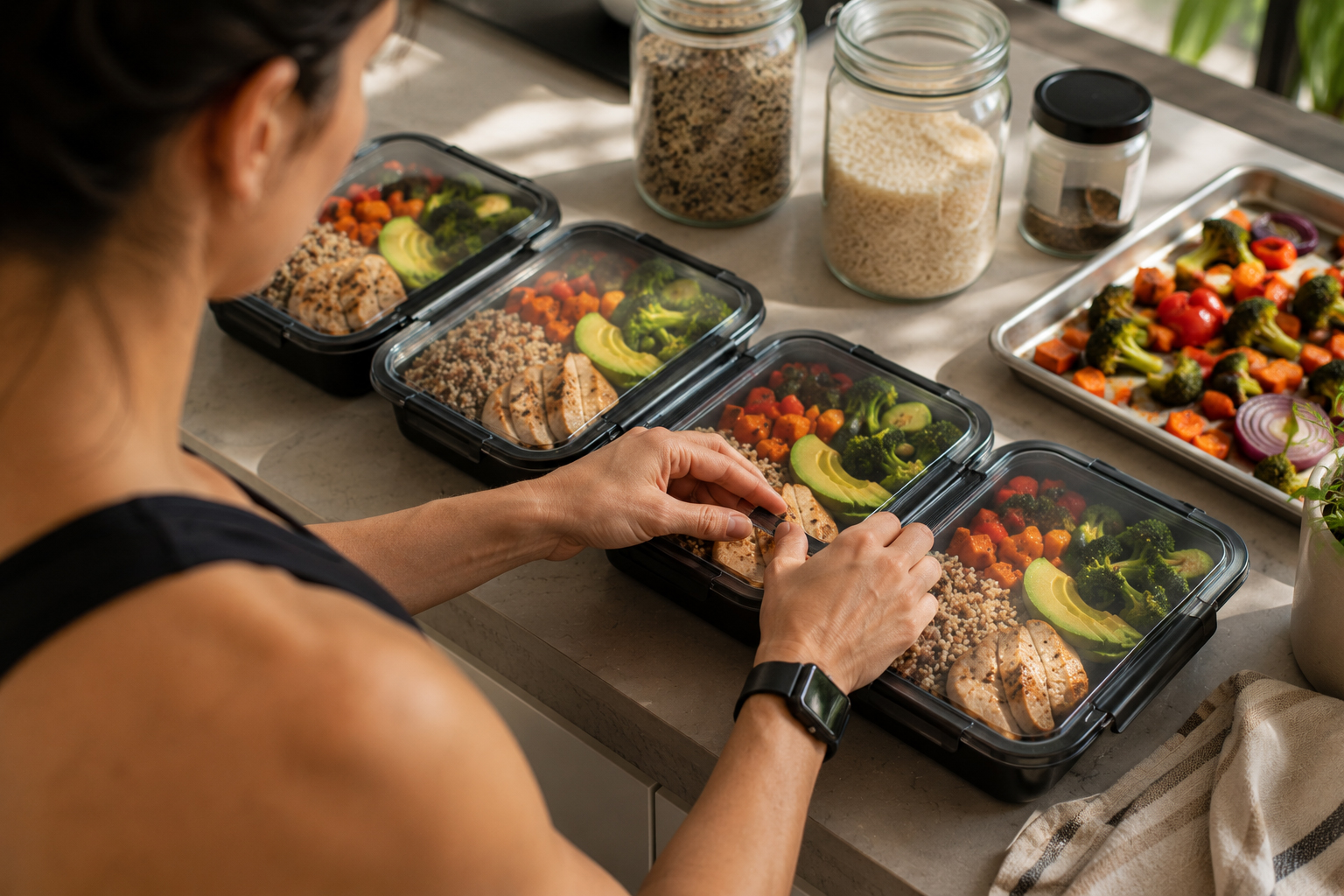
Adopt a handful of templates that cover breakfast, lunch, dinner, and snacks: for example, oats with fruit and yogurt, a grain bowl with lean protein and vegetables, or an omelet with toast and salad. Swap elements to keep variety—use different grains, rotate protein sources, and try varied vegetables. Batch-cook components like roasted vegetables, grains, and cooked proteins to assemble meals quickly on training days. Keep convenient, healthy snacks on hand such as nuts, fruit, and whole-grain crackers for small energy boosts.
Templates reduce decision-making and save time while still providing balanced nutrition. Over weeks, these small efficiencies make consistent training easier and more enjoyable.
Conclusion
Consistent home training is best supported by simple, repeatable meal foundations built around carbs, protein, and healthy fats. Time meals to match your session demands and keep a few go-to templates for easy assembly. Small, sustainable habits in the kitchen create reliable energy and recovery that help you progress steadily.