After an injury or a period of limited activity, returning to everyday movement can feel uncertain. Small, consistent habits at home rebuild strength without overwhelming your body. This article lays out practical steps you can try safely and gradually. Read through and adapt ideas to your current comfort and guidance from any care provider.
Prioritize safety and routine
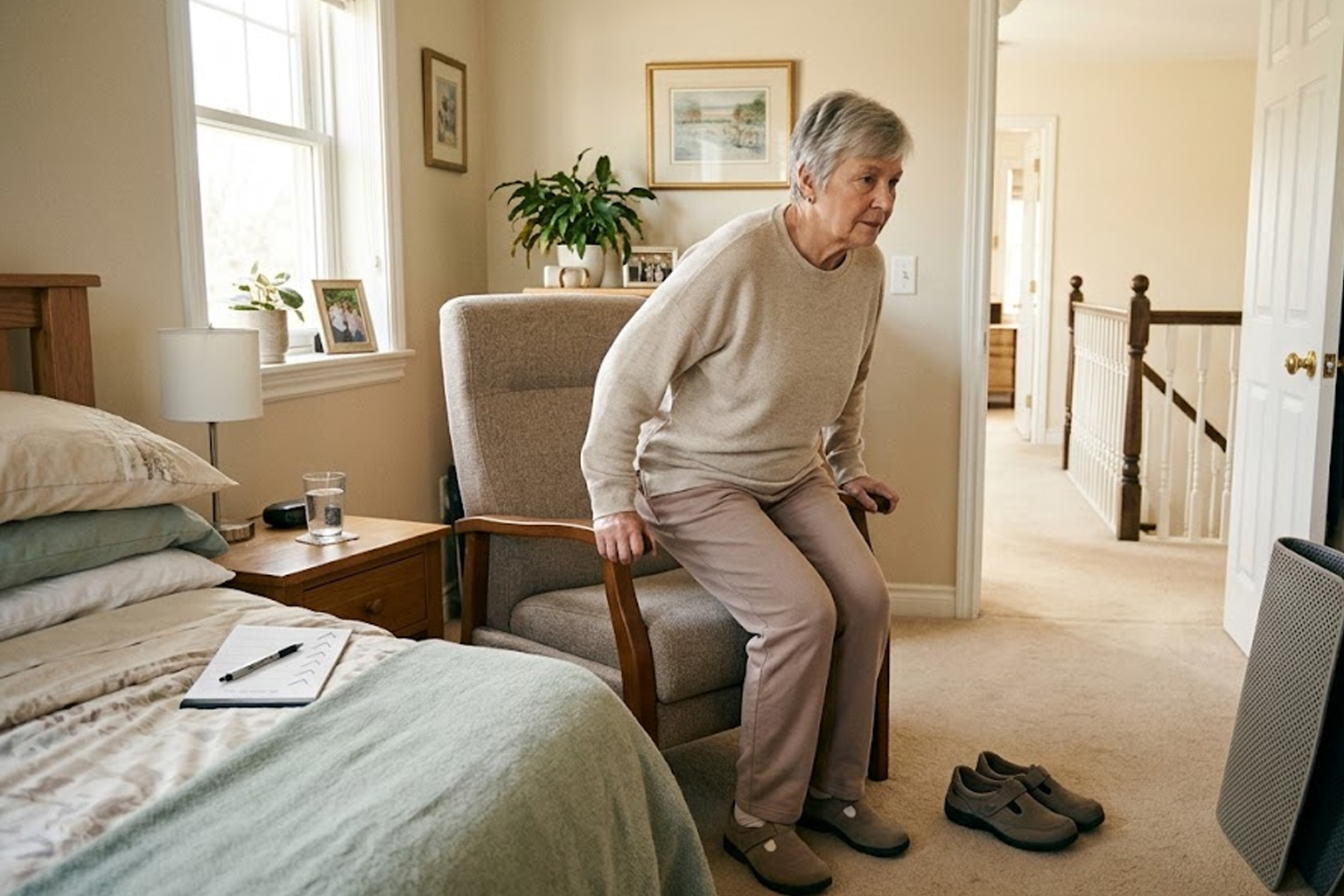
Begin by identifying moments that matter: getting out of bed, standing from a chair, climbing a short flight of stairs. Focus first on how you perform those tasks rather than on long workout sessions. Use stable supports like a sturdy chair or banister while you retrain a movement pattern. Keep a short daily checklist so progress is measured in reliable actions rather than big leaps.
Consistency beats intensity in early stages. Repeat the prioritized movements two to four times a day to regain confidence without excessive fatigue.
Short strength and balance habits
Pick two or three gentle exercises that target the muscles you use most in daily life: sit-to-stand, heel raises, and single-leg weight shifts are common choices. Aim for brief sets — for example, eight to twelve slow repetitions — and pause to notice comfort and control. Use breath and posture cues to maintain alignment; a forward lean or rounded shoulders can sabotage progress. Track repetitions so you can gradually increase them as movement feels easier.
Short, focused practice builds functional strength and reduces the chance of overdoing it. Progress in small steps and celebrate steady improvements.
Adapt your environment
Small changes in the home remove barriers and make safe movement the easier option. Improve lighting in transition zones, secure loose rugs, and place frequently used items within comfortable reach to avoid awkward reaches. Consider a non-slip mat in the shower and a chair with arms for safer transfers. These modifications lower risk and make practicing movements less stressful.
- Brighten stairways and hallways.
- Use a stable chair with armrests for transfers.
- Keep clear pathways for walking practice.
Environment tweaks support independence and let you focus energy on rebuilding movement rather than compensating for hazards.
Know when to ask for support
If a movement causes sharp pain, sudden swelling, or increased instability, pause and consult a healthcare professional. A therapist can tailor progressions and recommend assistive devices or manual strategies that match your condition. Routine check-ins also help refine goals and keep progress realistic and measurable. Support is practical, not a sign of failure.
Professional input speeds safe recovery and helps prevent setbacks. Combine guidance with home habits for steady gains.
Conclusion
Slow, repeatable actions at home rebuild strength and confidence in daily movement. Focus on safety, short practice sessions, and sensible environment changes to reduce strain. When unsure or experiencing troubling symptoms, seek professional advice to keep progress steady and secure.