Creating a safer home workout environment reduces the chance of common injuries and keeps routines consistent.
Small, simple changes to layout and habits make a big difference in everyday training outcomes.
This article outlines practical steps you can take to prepare your space and adjust movement patterns.
Follow these tips to protect joints, maintain balance, and support long-term exercise adherence.
Assessing Your Workout Area
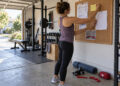
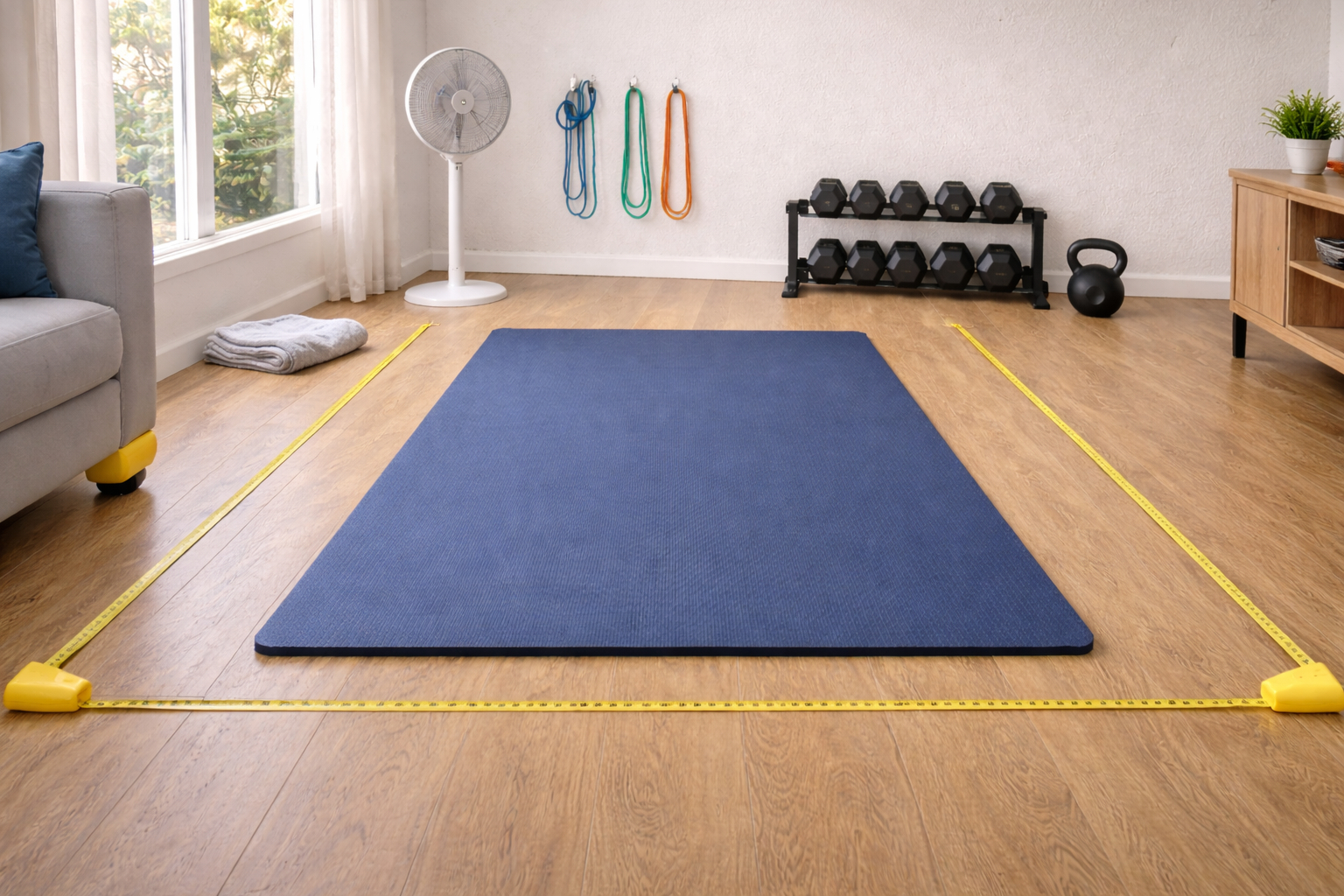
Start by surveying the available space and removing tripping hazards like loose rugs, cables, and clutter. Measure clearance for typical movements such as lunges, overhead presses, and jumping to ensure you have adequate room. Check that furniture edges and sharp corners are out of the way or padded if necessary. Evaluate emergency access so you can safely enter and exit the space without obstruction.
Perform a simple test by walking through your planned routine at a reduced pace to find blind spots and pinch points. Adjust the layout based on what feels most natural and safe.
Choosing and Placing Equipment
Select equipment that matches your fitness level and space constraints to avoid overloading surfaces or compromising balance. Keep frequently used items within reach and store heavier or bulkier gear where it won’t tip or fall. Use mats designed for exercise to increase traction and reduce impact during dynamic movements. If you rely on small accessories, designate a stable storage spot to prevent accidental trips.
- Place cardio machines with clear surrounding space for airflow and emergency dismounts.
- Secure free weights on racks or flat surfaces at waist height to reduce lifting strain.
- Position resistance bands away from sharp edges and anchor points that might give way.
Proper placement cuts down on interruptions and reduces the likelihood of sudden corrective movements that can cause injury.
Movement Habits and Warm-Ups
Consistent warm-ups boost joint mobility and prepare muscles for load, lowering acute injury risk. Start sessions with dynamic movements that mirror your workout patterns, and include mobility drills for hips, shoulders, and spine. Focus on controlled technique rather than speed or load increases to build a safe progression. Monitor fatigue and stop or modify exercises when form breaks down.
Adopt cues like breathing rhythm and joint alignment to reinforce safer movement. Small habit changes compound into more resilient performance over time.
Lighting, Flooring, and Airflow
Good lighting helps you see obstacles and maintain safe foot placement, especially during evening sessions. Choose flooring that provides grip and adequate shock absorption while remaining stable for balance exercises. Ensure proper ventilation to avoid overheating and to sustain concentration and coordination. Replace bulbs, repair uneven floorboards, and add non-slip surfaces where needed.
These environment tweaks support performance and reduce distractions that lead to mistakes. Regularly inspect the area to keep conditions consistent.
Conclusion
Small adjustments to space, equipment, and habits create a noticeably safer home workout routine.
Routine checks and consistent warm-ups protect joints and reduce acute incidents.
Prioritize gradual progress and thoughtful layout to maintain long-term exercise success.