Recovering comfortable movement at home takes consistent, manageable actions rather than dramatic changes. Small, well-paced routines can reduce flare-ups, build tolerance, and improve daily function over weeks and months. Focusing on easy movements, pacing, and environment tweaks helps make progress reliable, measurable, and sustainable. This article outlines practical steps you can use at home to support joint and muscle comfort while minimizing setbacks.
Start with Gentle Mobility
Begin each day with gentle mobility that targets areas that feel guarded or stiff, spending a few minutes on slow, controlled movements to increase circulation and joint lubrication. Choose movements that stay well within a comfortable range and repeat them deliberately to retrain movement patterns and nervous system tolerance. Examples include controlled shoulder circles, ankle pumps, hip slides, and supported reaches; perform roughly six to twelve repetitions as tolerated and avoid jarring or ballistic motions. Keep the effort light and make note of any positions that consistently increase discomfort so you can adapt them.
Gentle mobility primes tissues for activity without overloading them and reduces morning stiffness for many people. Regular, short sessions are more effective than infrequent long ones because they accumulate tolerance without provoking flare-ups.
Build Strength with Short, Focused Sessions
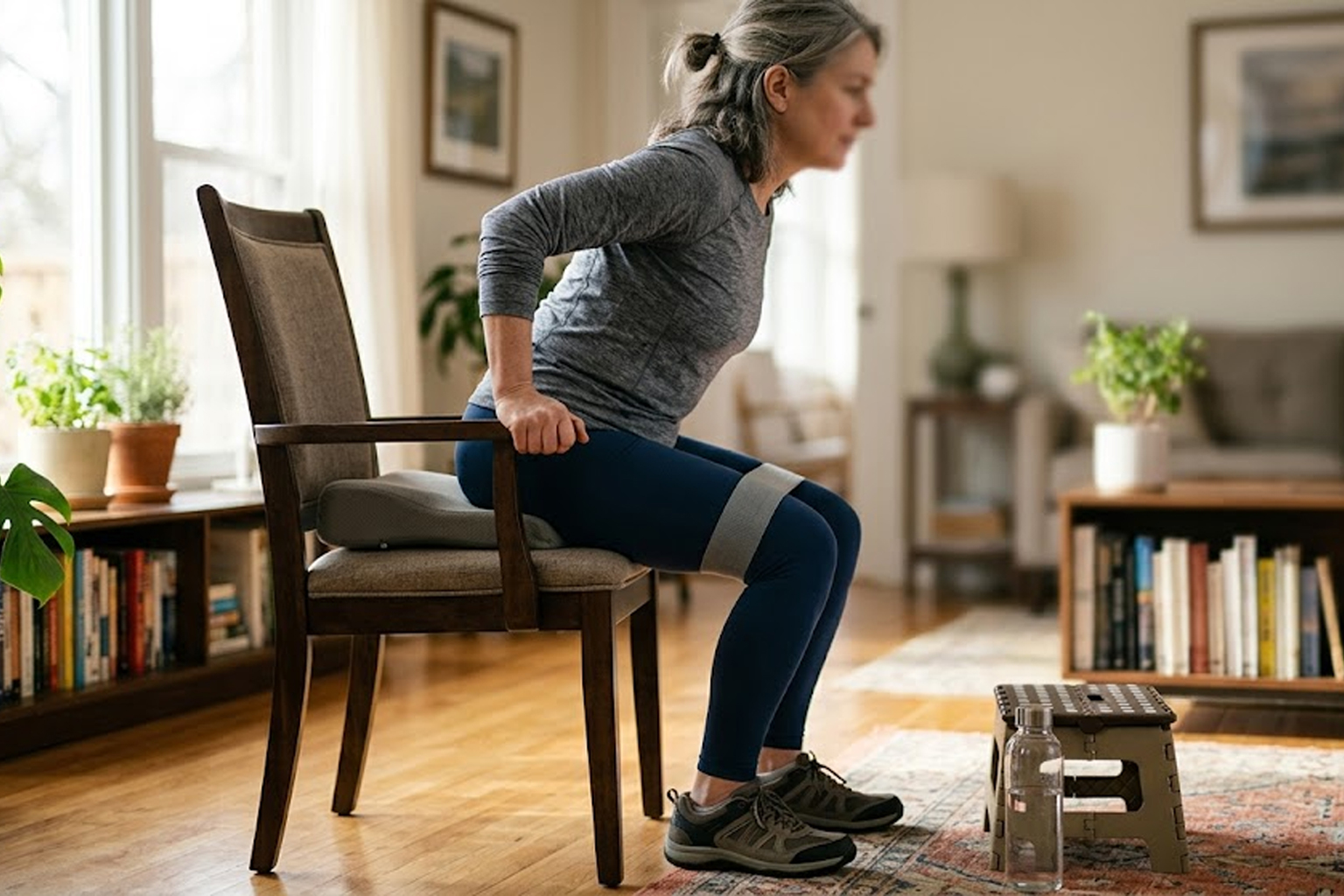
Once basic mobility is tolerated, introduce brief strengthening sessions that emphasize function and control rather than heavy loading, using bodyweight or light resistance bands. Structure workouts around multi-joint tasks like sit-to-stands, step-ups, wall push-ups, and rows to restore practical strength for daily activities. Use low volume and moderate frequency — for example, two to three sets of six to twelve repetitions most days — and prioritize slow, controlled technique over increasing intensity quickly. Gradual overload over weeks supports tissue adaptation while keeping setbacks uncommon when progression is conservative.
Monitor how exercises affect your baseline symptoms and reduce load or frequency if pain increases beyond typical levels. Consulting a clinician can help tailor progressions and ensure exercises match your current capacity.
Adjust Your Environment and Pace
Optimize your home setup to reduce repetitive strain: adjust chair and counter heights, keep frequently used items within easy reach, and use simple supports like cushions or stool steps to change mechanics during tasks. Pacing is equally important — plan activity blocks with built-in microbreaks and alternate challenging tasks with gentler ones to avoid cumulative overload. Small environmental shifts and realistic scheduling lower daily irritants and make therapeutic movement easier to maintain. Combine these changes with clear, achievable goals that focus on function rather than pain elimination alone.
Education about pacing and progression reduces fear and supports steady engagement in activity. Over time these adjustments help make active care sustainable and less disruptive to daily life.
Conclusion
Consistent, modest steps at home can rebuild comfortable movement without overwhelming tissues. Prioritize gentle mobility, measured strengthening, and pragmatic environment changes to support steady gains. Review progress regularly and adapt plans to what feels safe and productive.