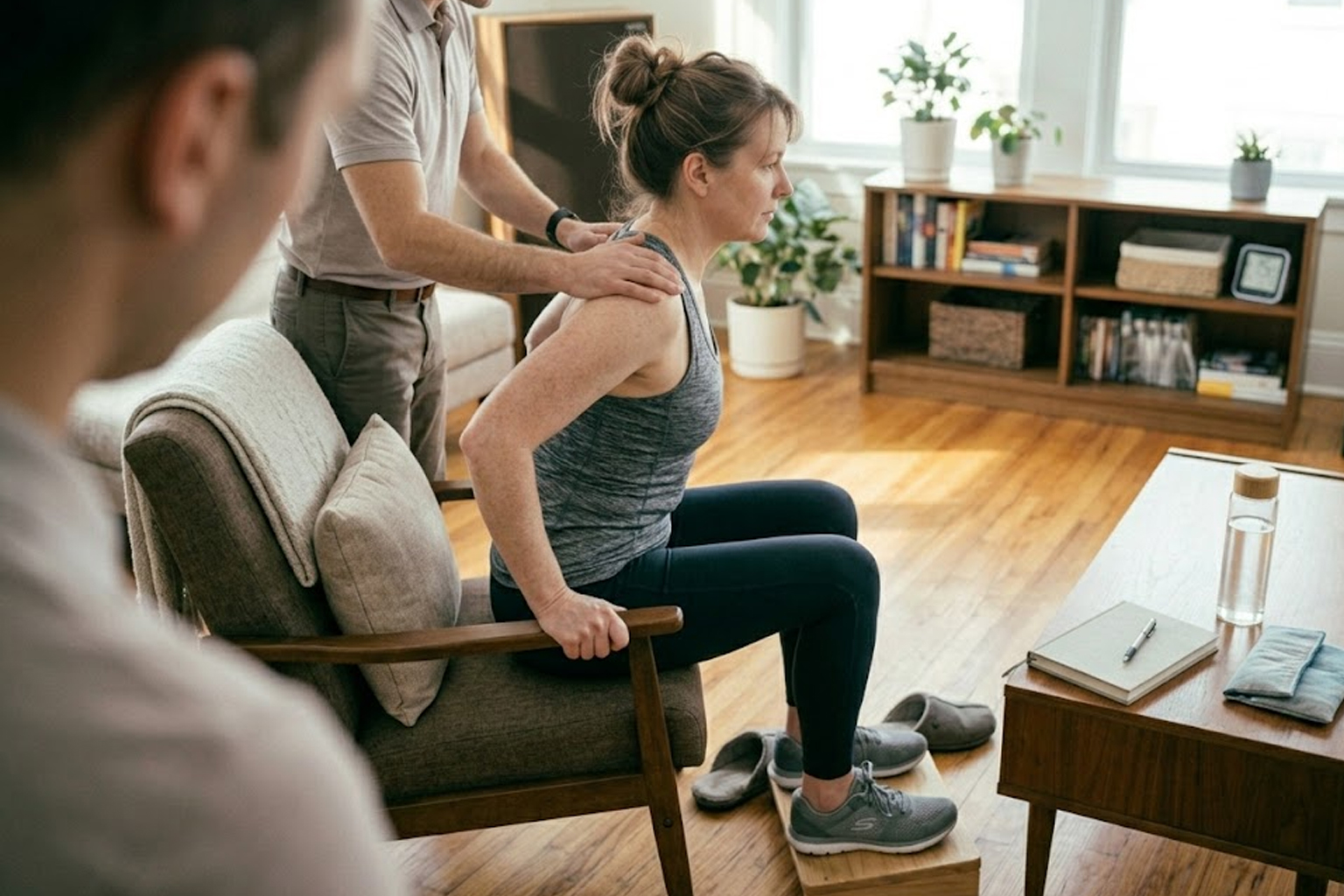
Recovering comfortable, reliable movement at home is often a matter of small, consistent choices rather than dramatic fixes. Focusing on simple habits that reduce strain, build capacity, and respect recovery limits makes sustained improvement more likely. This article lays out practical steps you can use in everyday routines to support joints and muscles while minimizing setbacks. The suggestions are adaptable to different abilities and can be scaled up slowly as confidence grows.
Movement Basics
Start with gentle, purposeful movement that emphasizes control and neutral alignment. Prioritize exercises that engage core and proximal muscle groups to create a stable base for limb movement, and use pain as a guide rather than a strict stop sign—mild discomfort can be acceptable while sharp or worsening pain should prompt modification. Include short mobility sets each day: slow range-of-motion work, gentle loaded repetitions, and breath-coordinated movement to reduce tension. Consistency matters more than intensity; frequent, low-effort sessions build tolerance without overload.
- Begin with 5–10 minutes of mobility several times daily.
- Choose movements that mirror daily tasks, like sit-to-stand or reaching patterns.
- Pause and reassess if an exercise increases sharp pain.
Over time, those foundational patterns allow gradual increases in load and complexity. Tracking small wins—more comfortable transfers, fewer interruptions during chores—helps maintain motivation.
Environment and Ergonomics
Adjusting your immediate environment reduces repetitive strain and supports better posture throughout the day. Set up frequently used areas so you avoid prolonged awkward positions: seat height that allows feet flat on the floor, work surfaces at comfortable reach, and storage at mid-torso levels. Lighting, footwear, and simple assistive tools can all change how forces are distributed across joints. Small changes often prevent micro-injuries that accumulate into larger problems.
- Reorganize high-use items to avoid excessive bending or reaching.
- Use a supportive chair and consider a footrest for better alignment.
Ergonomic improvements are inexpensive and compound with movement habits to reduce flare-ups. Treat your space as a partner in recovery rather than an obstacle.
Scheduling and Progression
Plan activity around manageable goals and built-in recovery time to avoid boom-and-bust cycles. Use a simple progression: increase volume by small increments, add load slowly, and insert deliberate rest days or lighter sessions when needed. Monitor responses to change—sleep quality, energy, and function are useful indicators of whether progression is appropriate. A predictable routine that balances challenge and recovery fosters steady gains.
- Follow a weekly plan that alternates harder and easier days.
- Record one or two objective markers, like steps or reps, to measure progress.
Adjust the plan based on real-world feedback rather than expectation. Flexibility in scheduling keeps progress realistic and sustainable.
Conclusion
Simple, consistent home practices that combine controlled movement, ergonomic adjustments, and measured progression create safer daily function. Small, repeatable changes are more effective than intermittent extremes and reduce the risk of setbacks. With patience and attention to feedback, these steps support reliable, long-term improvement in daily movement.