Recovering movement after treatment or a period of inactivity can feel slow and uncertain.
Small, repeatable habits at home make progress steady without overwhelming the body.
This article outlines practical, low-impact approaches you can use in daily life to regain function.
No special equipment or clinical language — just useful steps you can try today.
Start with focused, manageable goals
Pick one movement or transition you want to improve each week, such as standing from a chair or walking a short hallway. Keep the goal specific and measurable so you can notice small wins and adjust effort. Prioritize quality over quantity: slow, controlled repetitions build confidence and reduce strain. Track progress with simple notes or a checkmark system to motivate consistency.
Short daily repetitions beat occasional long sessions for sustainable recovery. Celebrate tiny improvements to maintain momentum and avoid frustration.
Work the transitions that matter most
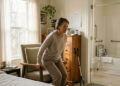
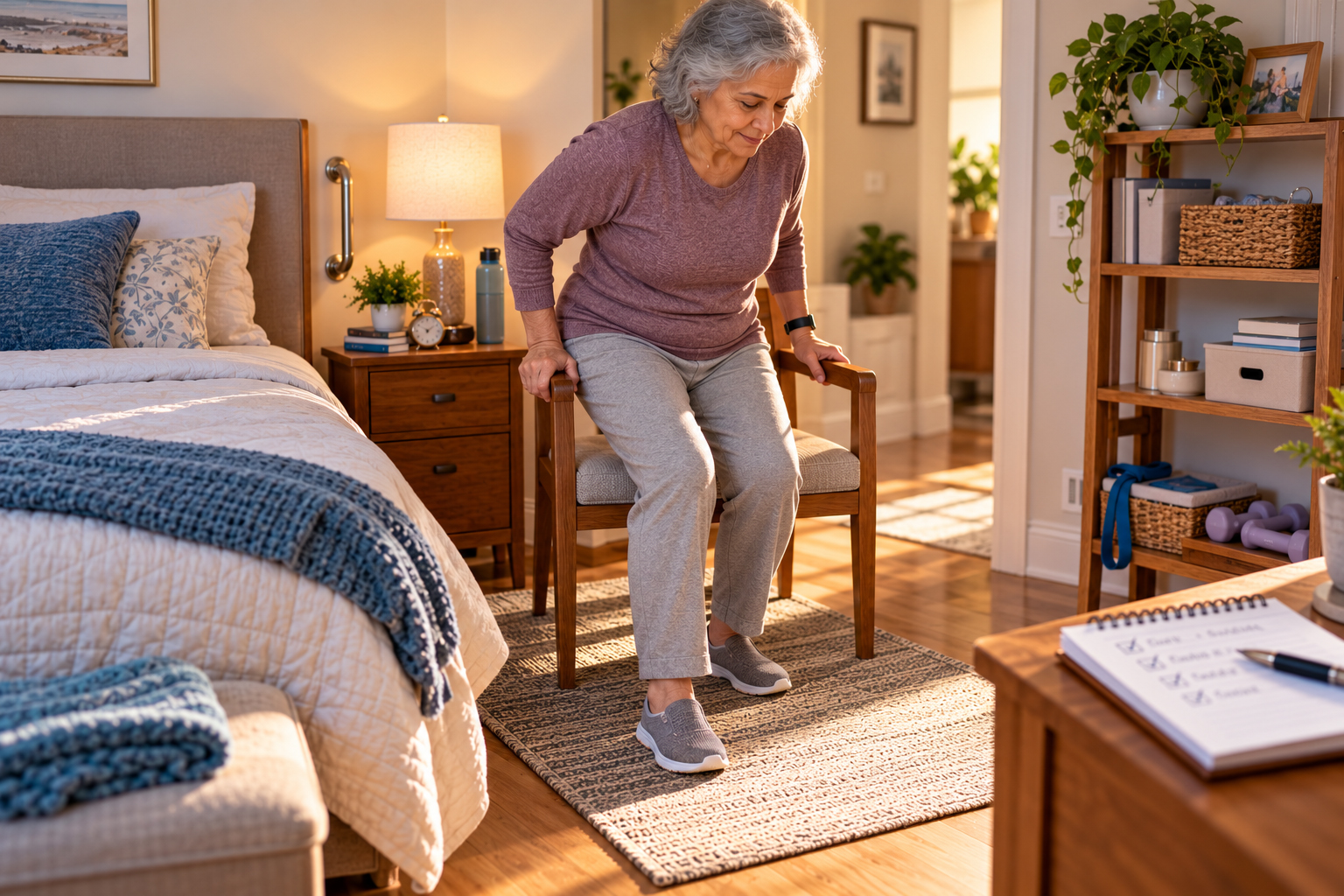
Many setbacks happen during everyday transitions — getting in and out of bed, stopping after walking, or turning around. Practice these movements deliberately, breaking them into smaller steps: shift weight, find stable contact points, then complete the motion. Use a chair, counter, or wall to support balance while you rehearse the sequence. Repeating transitions teaches coordination and makes routine tasks less risky.
Focus on movements you actually do every day; those repetitions transfer directly to safer, easier living.
Use simple tools and smart space tweaks
You don’t need expensive gear to make movement easier. A sturdy chair, non-slip mats, a bedside light, and reachable storage reduce awkward reaches and unexpected slips. Consider small aids like a grab bar by frequently used surfaces or raised seating to ease standing. These adjustments reduce strain and let you practice movements with more confidence.
- Rearrange commonly used items to waist height.
- Keep a stable chair near where you practice standing or balancing.
- Use shoes with good grip for indoor walks.
Small environmental changes often yield the biggest everyday benefits and keep practice safe.
Build consistency with short, adaptable sessions
Design mini-sessions of five to ten minutes that fit into your routine, like morning sit-to-stand sets or evening balance practice. Vary intensity across the week: easier days for recovery, slightly harder days for challenge. Listen to your body — discomfort that settles with rest is normal, but sharp pain is a cue to stop and reassess. Adjust repetitions, support, and pace instead of skipping practice altogether.
Consistency, not intensity, is what rebuilds movement. Keep sessions brief and realistic so they become part of daily life.
Conclusion
Gentle, specific habits and minor home changes speed practical recovery and reduce risk.
Short daily practice, attention to transitions, and modest supports will steadily improve ability.
Start small, be consistent, and let everyday wins add up into real movement gains.