Persistent musculoskeletal pain often reflects patterns of movement and environment that can be altered without complex interventions. Small, targeted changes at home reduce cumulative strain and make daily activity more manageable. This approach emphasizes pacing, safe progression and simple ergonomic adjustments rather than one-off fixes. The goal is steady improvement in function while avoiding flare-ups that undermine confidence.
Assessing Your Space and Daily Patterns
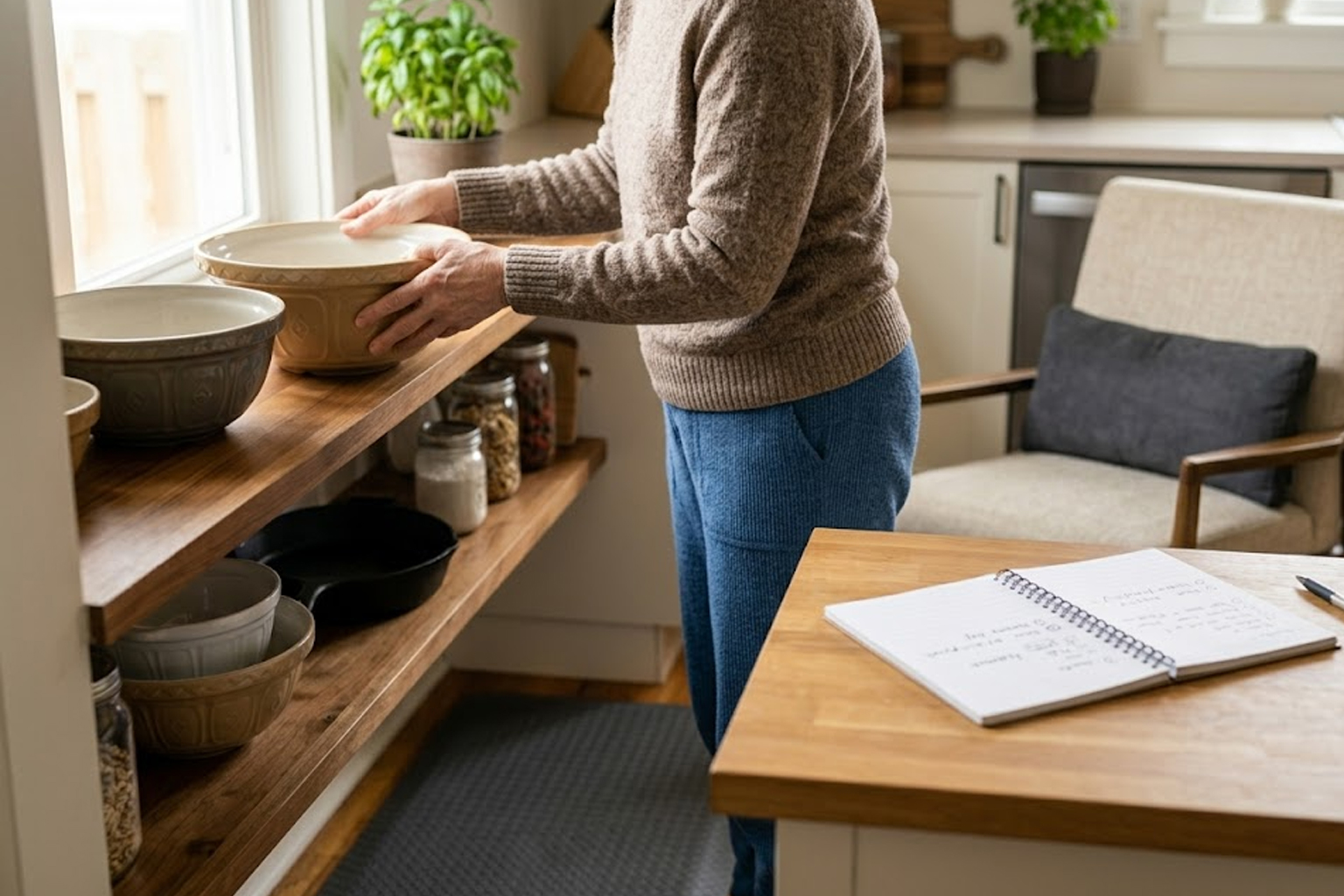
Start by scanning the rooms you use most for repetitive demands and awkward postures that add strain. Identify frequent tasks that involve bending, twisting, or sustained reaching and note when pain tends to increase. Consider the flow of activities across the day—where brief reorganizations could cut unnecessary loading or allow micro-breaks. Small changes such as raising work surfaces, relocating heavy items, or sitting rather than standing for specific chores can have a measurable impact over weeks.
Make a simple list of three target changes you can test this week. Track symptoms and perceived effort for a few days to see what helps most.
Pacing and Graded Activity
Managing persistent pain means balancing activity and rest so you can build tolerance without triggering setbacks. Use brief, frequent movement breaks and gradually increase duration or intensity in small increments over days rather than pushing hard in single sessions. Structured, graded tasks focus on function—walking a little farther, carrying lighter loads more often, or extending seated tasks by a minute each day. This reduces the risk of overshooting and permits steady gains in strength and endurance.
Set achievable short-term goals and celebrate small wins to maintain consistency. Gradual progression helps rebuild confidence in everyday movement.
Supporting Recovery with Setup and Habits
Ergonomic supports and routine cues are practical ways to reduce strain and reinforce healthier patterns. Simple tools—like a supportive chair, non-slip mats, or reachable storage—change how joints handle load, while alarms or visual reminders prompt micro-movements and postural resets. Habit loops are powerful: pair a necessary chore with a short mobility routine or a breathing pause to improve circulation and reduce tension. Over time these small supports decrease pain-triggering demands and make activity feel less risky.
Prioritize interventions that fit your lifestyle and are easy to maintain. Consistency with small supports often outperforms intermittent intense efforts.
Monitoring Progress and Preventing Setbacks
Regularly review how changes affect pain, sleep, and ability to complete tasks, and adjust plans when needed. Keep a simple log of activities, pain levels, and what preceded flare-ups to learn patterns and avoid repeating mistakes. When progress stalls, reassess load, pacing, and recovery strategies rather than increasing intensity abruptly. Building resilience includes planned rest and recognizing early warning signs of overload.
Use feedback to refine your routine and stay realistic about timelines. Small, steady improvements compound into meaningful functional gains.
Conclusion
Recalibrating daily activity and the home environment reduces cumulative strain and supports safer movement. Focus on small, measurable changes, graded progression, and consistent supportive habits to build capacity. Over time these adjustments promote more comfortable function and fewer setbacks.