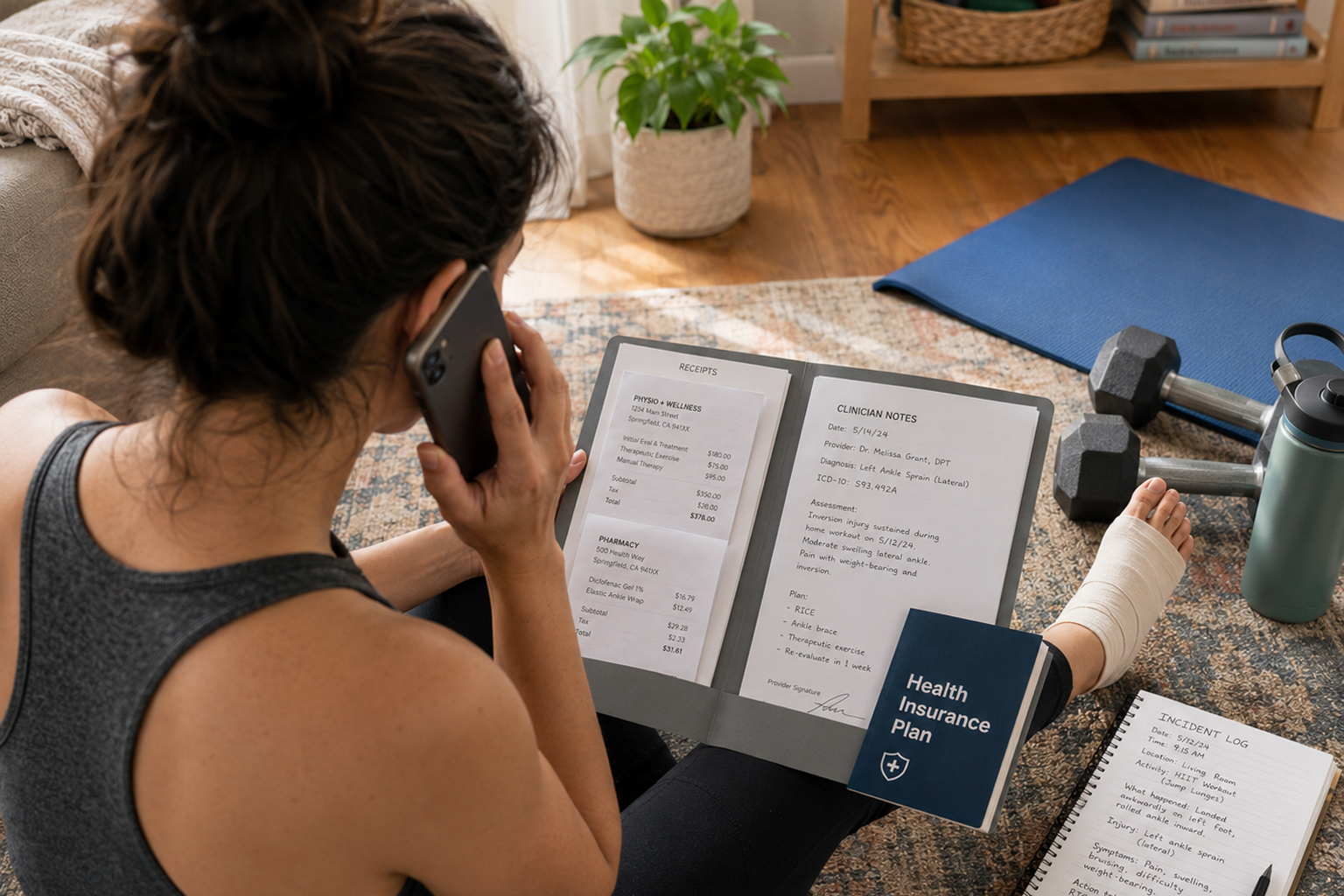
Home exercisers often assume routine workouts fall squarely under their medical insurance, but policy language can change outcomes after an injury. Small differences in benefit categories, authorizations, and provider networks can affect access and out-of-pocket costs. This article highlights the policy features that matter for at-home activity and practical ways to prepare for care and claims. A bit of advance planning reduces delays and financial surprises if treatment becomes necessary.
By focusing on a few core elements you can make informed choices and document incidents effectively. These steps help ensure timely care and a smoother claims process.
Coverage Fundamentals
Begin with the basics: how your plan defines urgent care, outpatient therapy, and specialist services, along with any visit limits or annual maximums. Look for preauthorization rules, deductible and copayment tiers, and how in-network versus out-of-network care is handled for rehabilitation. Knowing these boundaries clarifies when to seek immediate care and when to obtain prior approvals to avoid denials. Pay special attention to therapy visit caps and provider type requirements that often apply after musculoskeletal injuries.
Summarize limits and keep a one-page reference of key numbers and contacts. Regularly reviewing this summary before a season of increased training reduces stress when incidents occur.
Documenting Incidents and Using Preventive Benefits
Good documentation and early use of preventive benefits work together to lower claim friction and support medical necessity. Log incident details, photographs, symptom timelines, and receipts for initial supplies or telehealth consultations, and ask treating clinicians to note how the injury relates to the described activity. Also review wellness, virtual therapy, and prevention program coverage that can reduce severity or speed recovery. These benefits may include tele-rehab, subsidized assessments, or employer-sponsored coaching that improve outcomes and cost-effectiveness.
Organize records in a single folder or digital file and keep copies of all provider notes and bills. Proactive use of preventive options can prevent escalation and provide documented interventions if care is later required.
Navigating Claims and Appeals
Submit claims promptly and confirm that providers use appropriate billing codes tied to the diagnosis and services rendered to avoid miscoding denials. If a claim is denied, request a detailed explanation of benefits, follow the insurer’s appeal process, and provide clinician letters that explain medical necessity and the link to the incident. Preserve all correspondence, dates, and receipts, and track appeal deadlines closely to meet timelines. Clear, complete evidence and timely follow-up often lead to more favorable claim outcomes.
Stay persistent and communicate deadlines to your provider so supporting letters and records are submitted quickly. Knowing the appeals pathway ahead of time reduces stress and improves chances for reversal when needed.
Conclusion
Understanding core policy features helps home exercisers align care choices with coverage and avoid unexpected costs. Keep concise documentation, use preventive benefits, and confirm billing practices to strengthen any claim. These practical steps protect both health and finances when at-home workouts lead to injury.