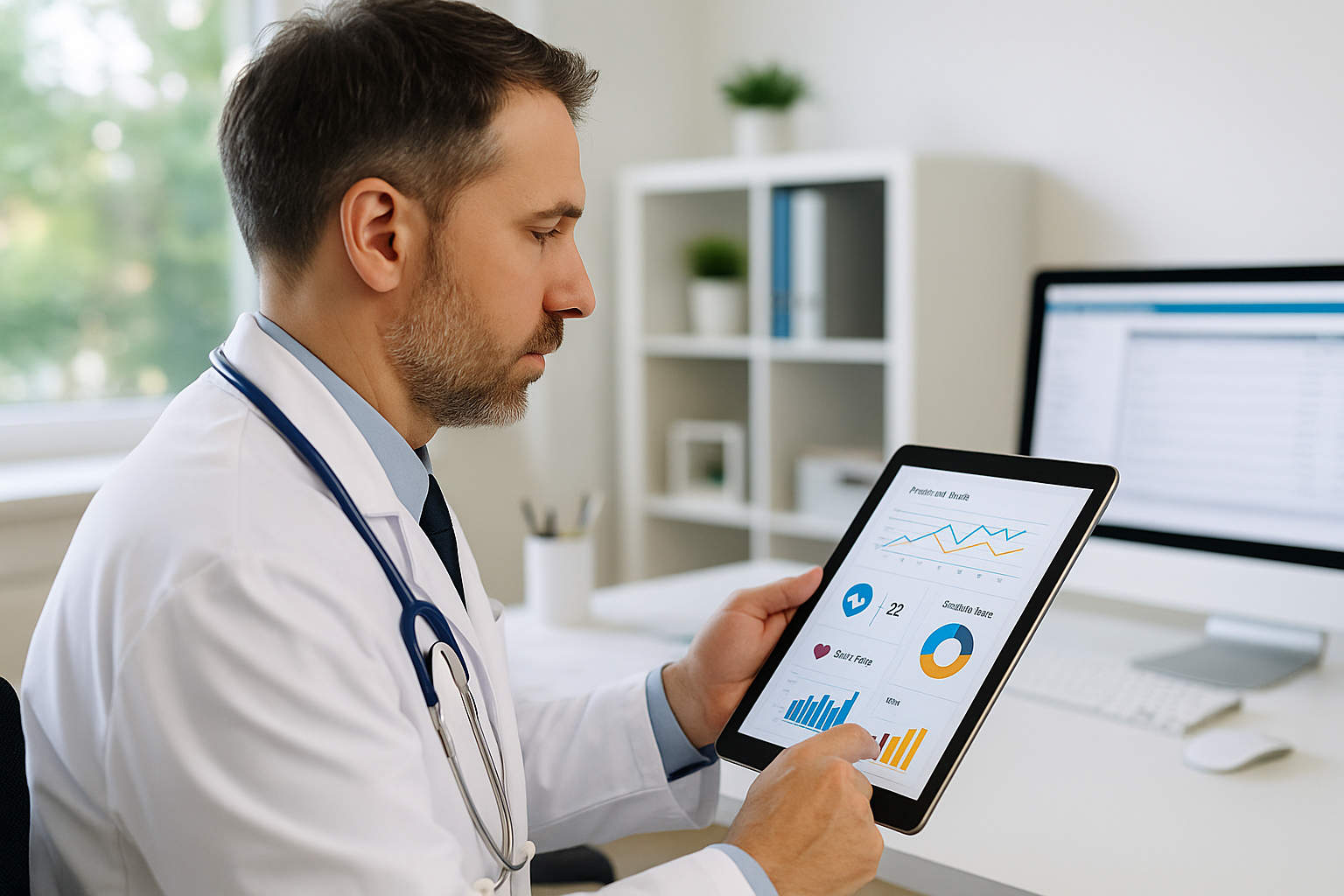
Modern healthcare is shifting from treating illness to preventing it — and data is leading the way. Predictive healthcare uses advanced analytics, artificial intelligence, and real-time patient data to anticipate health risks before they turn into serious problems. By identifying early warning signs, healthcare professionals can intervene sooner, improving outcomes and reducing costs across the system.
What Is Predictive Healthcare?
Predictive healthcare combines medical records, genetic data, lifestyle information, and wearable device metrics to forecast future health events. Using machine learning algorithms, healthcare providers can detect patterns that humans might miss — such as subtle changes in heart rate, blood pressure, or lab results that signal a developing condition.
For example, AI models can predict the likelihood of diabetes, cardiovascular disease, or certain cancers years before symptoms appear. Hospitals and insurers use these insights to personalize care plans and encourage preventive action, moving healthcare from reactive to proactive.
How Data Drives Early Intervention
The power of predictive analytics lies in its ability to connect vast amounts of data from multiple sources. Electronic health records (EHRs), wearable fitness trackers, and genetic testing provide a continuous flow of valuable health insights.
Doctors can use this data to create personalized prevention strategies — such as dietary changes, regular screenings, or early medication. For instance, if a patient’s data shows a rising risk for hypertension, lifestyle interventions can begin before a formal diagnosis is ever needed.
Real-World Applications
Predictive healthcare is already transforming medical practice in the United States:
-
Chronic disease management: Hospitals use AI to identify patients at risk of readmission after discharge, enabling targeted follow-up care.
-
Genomic analysis: Predictive models help assess inherited risks for conditions like breast cancer or Alzheimer’s.
-
Wearable monitoring: Devices like smartwatches track heart rhythm, oxygen levels, and activity, alerting users and doctors to early abnormalities.
-
Population health programs: Public health agencies use predictive analytics to forecast disease outbreaks and allocate resources efficiently.
These technologies help reduce hospital visits, improve quality of life, and lower healthcare costs — all while empowering individuals to take charge of their well-being.
The Balance Between Data and Privacy
While predictive healthcare offers tremendous potential, it also raises concerns about data security and privacy. Sensitive health information must be protected under regulations like HIPAA in the U.S. Ethical use of data and transparency in AI decision-making are essential to maintaining public trust.
Conclusion
Predictive healthcare represents the future of medicine — one where prevention replaces reaction and data becomes the cornerstone of better health. By combining technology, analytics, and patient-centered care, healthcare systems can move toward a world where diseases are prevented before they begin, paving the way for longer, healthier lives.