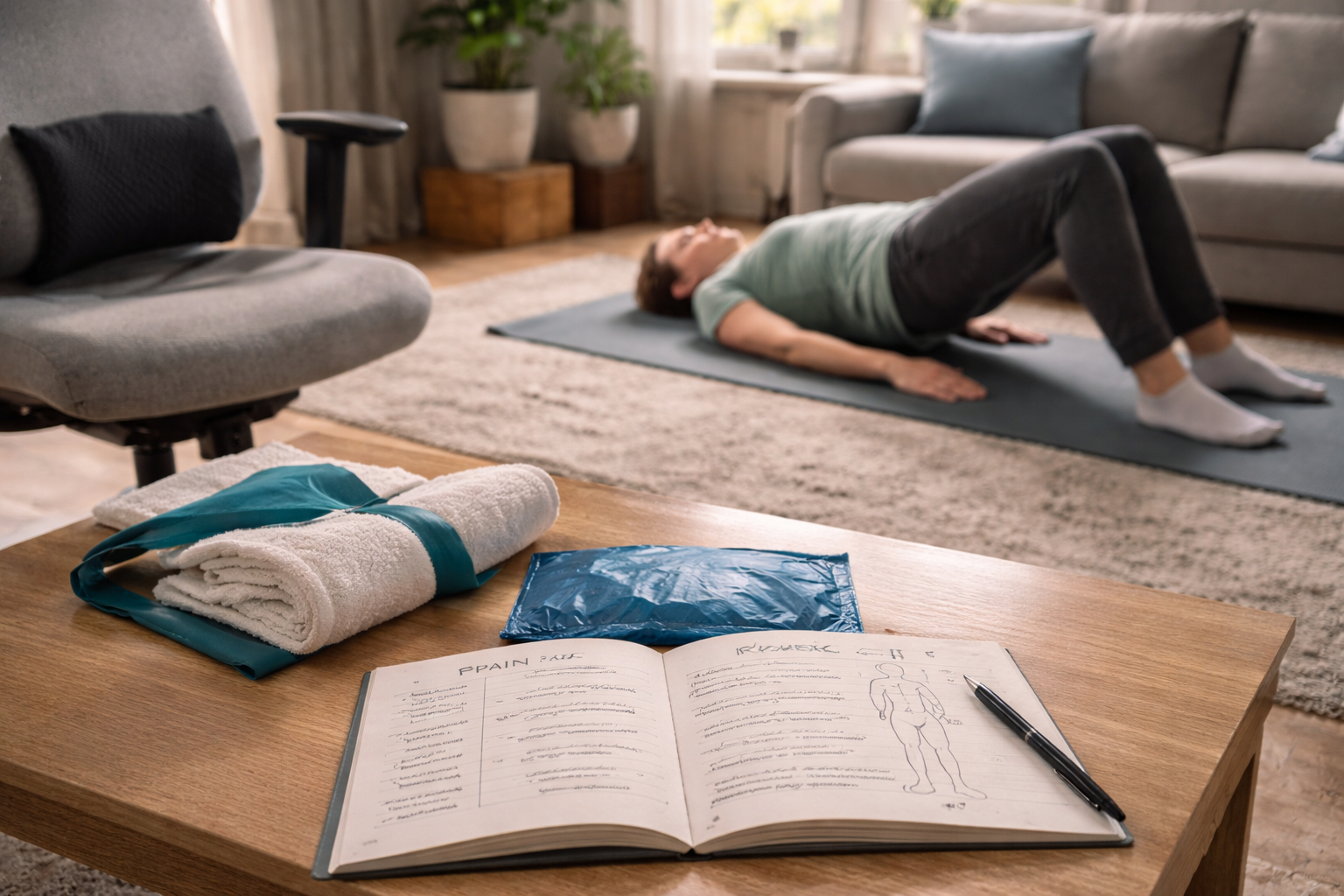
Lower back pain is a common complaint that affects mobility and daily comfort for many people. Simple adjustments at home and consistent habits can reduce discomfort without complex interventions. This article offers approachable strategies that emphasize safe movement, posture, and gradual strengthening. Read on for practical steps you can start using today.
Common causes and early signs
Lower back pain often arises from muscle strain, prolonged sitting, or sudden awkward movements. Poor sleep positions and inadequate core support can also contribute to recurring symptoms. Recognizing early signs—stiffness after inactivity, pain with bending, or discomfort when standing—helps you address problems before they escalate. Identifying patterns in your daily routine is a useful first step toward targeted improvement.
Keeping a simple diary of activities and pain intensity can reveal triggers. Small changes based on those observations often produce meaningful relief over time.
Home-based relief strategies
Applying heat to tense areas or using cold packs after acute strain can reduce pain and inflammation. Over-the-counter pain relievers may provide short-term relief, but they should be used judiciously and according to product guidance. Gentle movement—walking or light stretching—helps maintain flexibility and prevents stiffness from bed rest. Avoid prolonged bed rest and try to resume normal activities as tolerated.
Combining these measures with consistent self-monitoring helps you determine what eases symptoms and what worsens them. Small, steady adjustments are safer and more sustainable than abrupt lifestyle changes.
Ergonomics and posture adjustments
Evaluating your workstation and seating is essential if you spend long periods seated. Ensure your hips and knees are at roughly 90 degrees, feet supported, and the screen at eye level to reduce forward head and lumbar strain. Use a chair with lumbar support or add a small cushion to maintain the natural curve of the lower spine. Practice neutral spine alignment during routine tasks, such as lifting or carrying objects.
Improving ergonomics often reduces recurring flare-ups and makes daily activities less taxing on your back. Small investments in posture-supporting changes can yield long-term benefits.
Simple exercises for daily relief
Targeted, low-impact exercises can build core strength and improve spinal stability without excessive strain. Aim for controlled movement and avoid pain-producing positions; consistency is more important than intensity. Begin each session with a brief warm-up and stop if you experience sharp or worsening pain. Over time, gentle progression in duration and difficulty supports resilience.
- Pelvic tilts to engage lower abdominal muscles.
- Cat-cow stretches to improve spinal mobility.
- Bridges to strengthen gluteal and core muscles.
Performing these movements several times per week can reduce recurrence and support everyday function. Pair exercises with improved ergonomics for better outcomes.
When to seek professional advice
Most lower back pain improves with conservative care, but certain signs warrant professional assessment. Seek medical evaluation if you experience progressive weakness, numbness, loss of bowel or bladder control, or pain that does not improve with basic measures. A clinician can help determine whether imaging, targeted therapy, or specialist referral is appropriate. Early consultation is prudent when symptoms limit daily activities or fail to respond to self-care.
A healthcare professional can tailor recommendations to your situation and help develop a safe, effective plan for recovery. Timely guidance reduces the risk of chronic issues.
Conclusion
Start with mindful posture, gentle movement, and simple ergonomics to reduce lower back pain.
Progress gradually with stabilizing exercises and avoid prolonged inactivity.
Consult a healthcare professional if symptoms persist, worsen, or affect daily function.