Living with ongoing muscle or joint sensitivity benefits from predictable daily choices that protect tissues while supporting gradual improvement. A practical toolkit centers on balanced movement, brief strength work, environmental tweaks, and simple recovery habits. This approach minimizes flare-ups, keeps function usable, and fits into normal home routines. The goal is steady, manageable progress rather than dramatic fixes.
Movement Routine
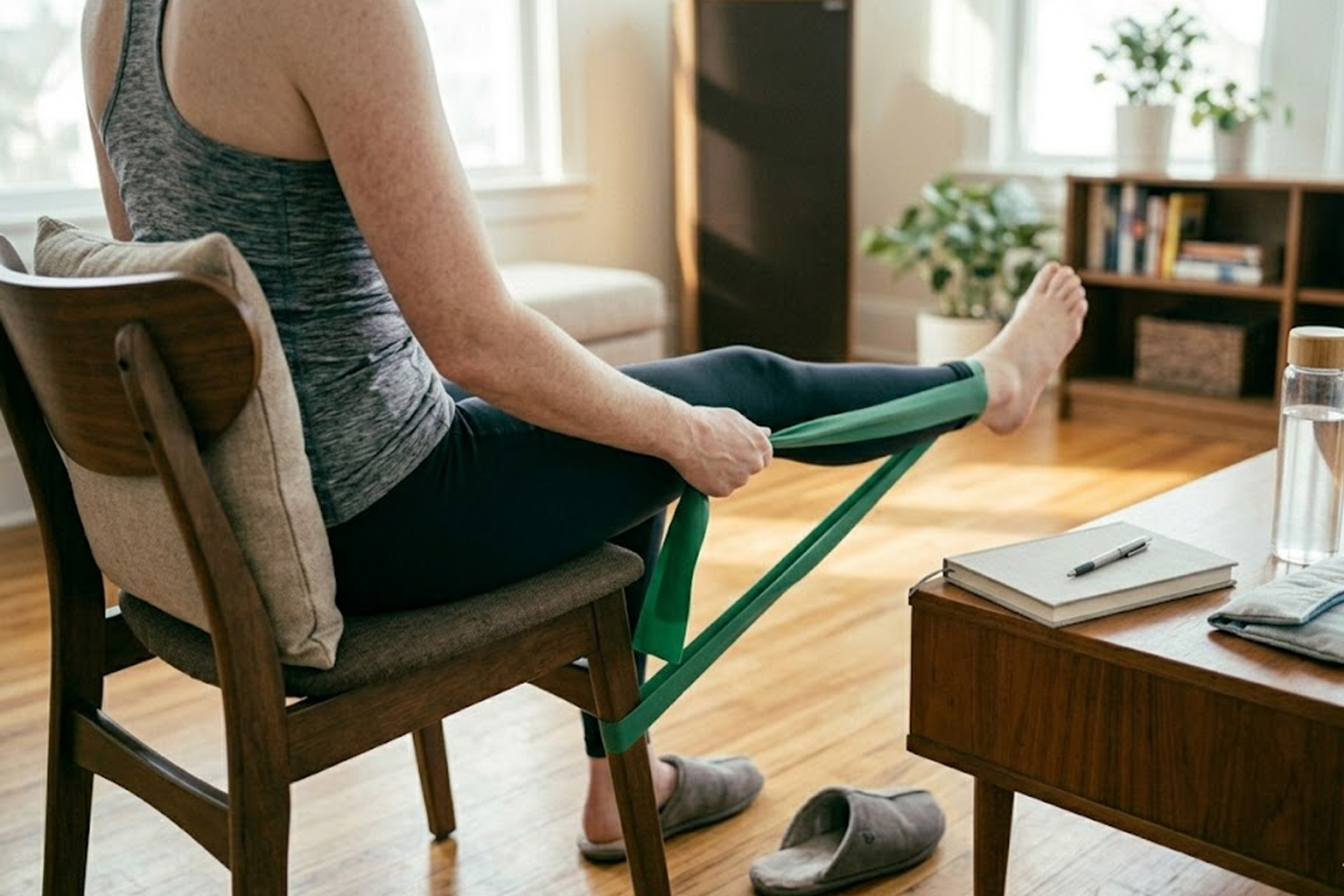
Start with gentle, joint-friendly movement each morning to increase circulation and mobility without provoking symptoms. Include slow range-of-motion drills, two to three brief strength sets using body weight or resistance bands, and regular short walks to maintain conditioning. Prioritize control and pain-informed progression: choose exercises that feel manageable and add small load or repetitions over weeks. Consistency matters more than intensity; brief daily practice builds stability and confidence.
- Warm up with 3–5 minutes of light marching or arm circles.
- Two strength exercises, 8–12 repetitions, adjusted to tolerance.
Adjust frequency when symptoms fluctuate by shortening sessions rather than stopping entirely. This keeps routine continuity and reduces loss of gains.
Environment and Ergonomics
Small changes around the home reduce unnecessary strain and support easier movement throughout the day. Use stable seating with good lumbar support, position frequently used items within comfortable reach, and alternate standing and sitting when possible. Consider footwear that cushions and supports for daily activities, and arrange workspaces so shoulders and wrists rest neutrally. These adjustments lower irritants and make safe movement the path of least resistance.
Simple, low-cost modifications often have outsized benefits for daily comfort. Make one change at a time to evaluate effect and maintain momentum.
Rest and Recovery
Planned rest is as important as activity because tissues need time to adapt to loading and repair. Schedule short breaks during repetitive tasks and prioritize quality sleep and nutrition to support healing processes. Use heat or cold strategically for short-term comfort when needed, and avoid long periods of immobilization that weaken muscles. Recovery habits allow you to train consistently without accumulating overload.
Listen to your body and pace increases to avoid setbacks. Recovery strategies help maintain participation in meaningful daily activities.
Monitoring and Progress
Track simple markers of progress like daily activity time, pain trends, and ability to perform key tasks without assistance. Use a brief log or an app to notice patterns and guide gradual adjustments to load and rest. Celebrate small wins and alter plans when persistent worsening appears, seeking professional guidance for new or alarming changes. Objective tracking builds accountability and informs safer progression decisions over weeks and months.
Small, measurable goals sustain motivation and clarify what works. Over time this data helps refine a long-term care plan.
Conclusion
Adopting a practical daily toolkit blends movement, environment, rest, and monitoring to support sustainable musculoskeletal comfort. Small, consistent changes reduce flare-ups and rebuild capacity without dramatic interventions. Focus on gradual progression and meaningful, maintainable habits for lasting benefit.