Recovering mobility after a medical event is often slow and nonlinear, and an organized approach at home can make the journey safer and more sustainable. Small, consistent actions that prioritize balance, strength, and confidence help people rebuild function without overwhelming the body. This article outlines practical steps to assess status, plan gradual activity, adapt living spaces, and monitor progress. The goal is to restore everyday movement with clarity and measurable, low-risk steps.
Assessing Your Starting Point
Begin by taking a clear inventory of current abilities and limitations, focusing on daily activities rather than abstract measures. Note what transfers, walking distances, or balance challenges cause difficulty, and log pain or fatigue responses after tasks. If you have guidance from a clinician or therapist, align your home observations with professional recommendations to ensure consistency. Accurate assessment sets realistic expectations and informs priorities for gradual improvement.
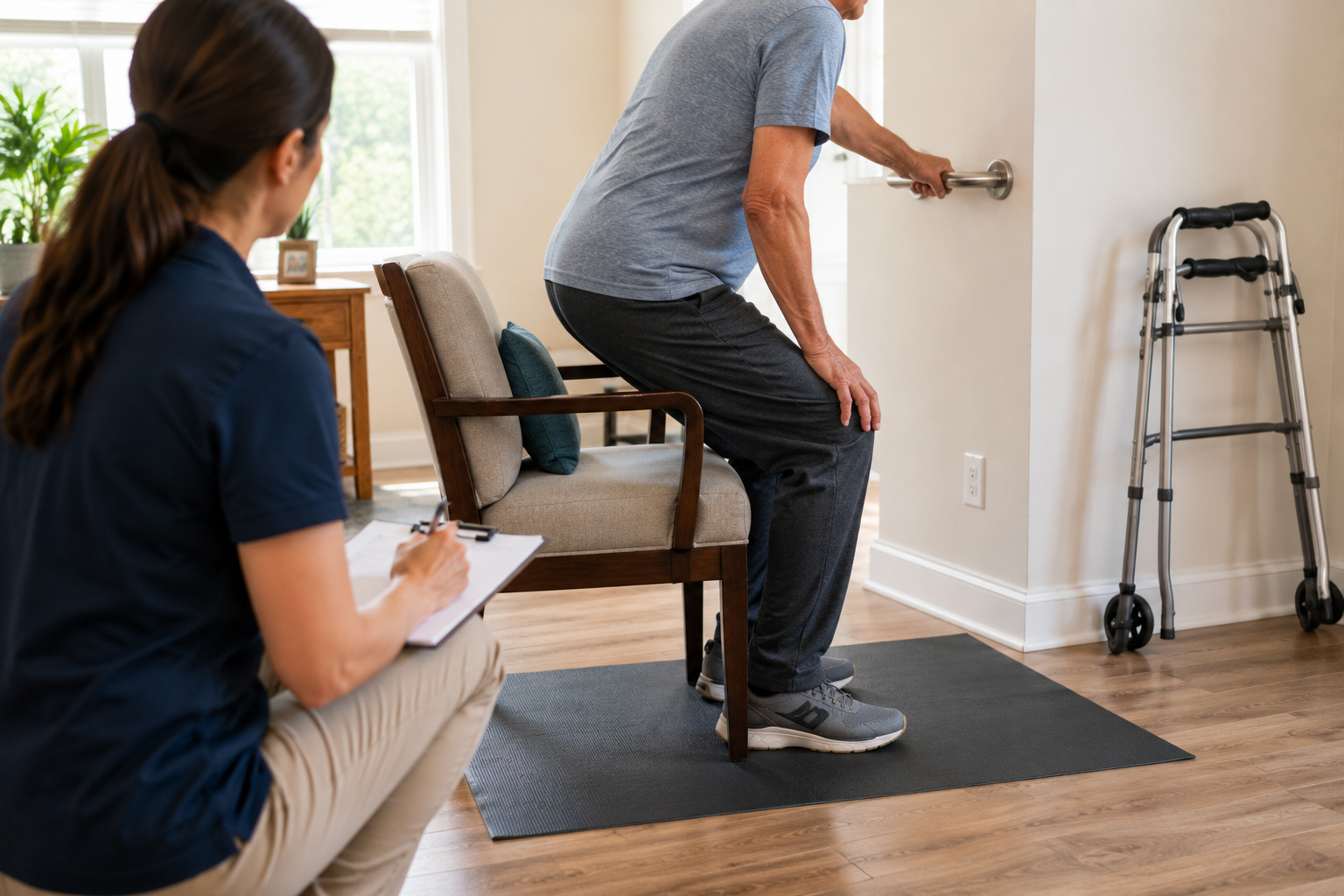
Keep assessments simple and repeatable, such as timed walks or controlled sit-to-stand counts. Regularly recording results makes small gains visible and helps adjust plans safely.
Designing Safe, Gradual Movement
Create a progression plan that emphasizes small increases in duration, intensity, or complexity rather than sudden jumps. Start with low-impact activities that mimic daily tasks—standing practice, step-ups onto a low surface, or short supervised walks—and add repetitions slowly. Incorporate balance exercises and core control to support functional movement, and alternate activity with adequate rest to avoid setbacks. Consistency and measured progression reduce the risk of overuse and build sustainable capacity.
Use simple cues like perceived effort or a recovery checklist to guide progression; these subjective markers often indicate readiness for the next step.
Optimizing the Home Environment
Home adjustments can reduce hazards and make practice safer without extensive renovation. Improve lighting, remove loose rugs, create clear pathways, and place frequently used items within comfortable reach to reduce unnecessary strain. Consider nonpermanent supports such as grab bars or stable chairs positioned strategically to assist transfers and balance practice. These changes reduce fall risk and create opportunities for repeated, purposeful movement throughout the day.
Small environmental tweaks often yield big benefits by enabling independence and encouraging confident movement practice in everyday routines.
Monitoring Progress and Knowing When to Seek Help
Track measurable indicators like step count, sit-to-stand repetitions, or the ability to complete specific household tasks without undue fatigue. Sharing progress logs with a clinician or therapist helps tailor recommendations and flags issues that need professional attention. Be alert for persistent pain, sudden decline, or new symptoms that suggest reassessment is necessary. Timely communication prevents minor concerns from becoming setbacks.
Regular review of goals and outcomes keeps efforts productive and ensures safety as abilities improve.
Conclusion
Organized home strategies focus on realistic assessment, gradual progression, and a safer environment to rebuild movement and balance. Consistent tracking and simple adjustments support steady gains while minimizing risk. Working alongside clinicians when needed helps align home practices with broader recovery goals.