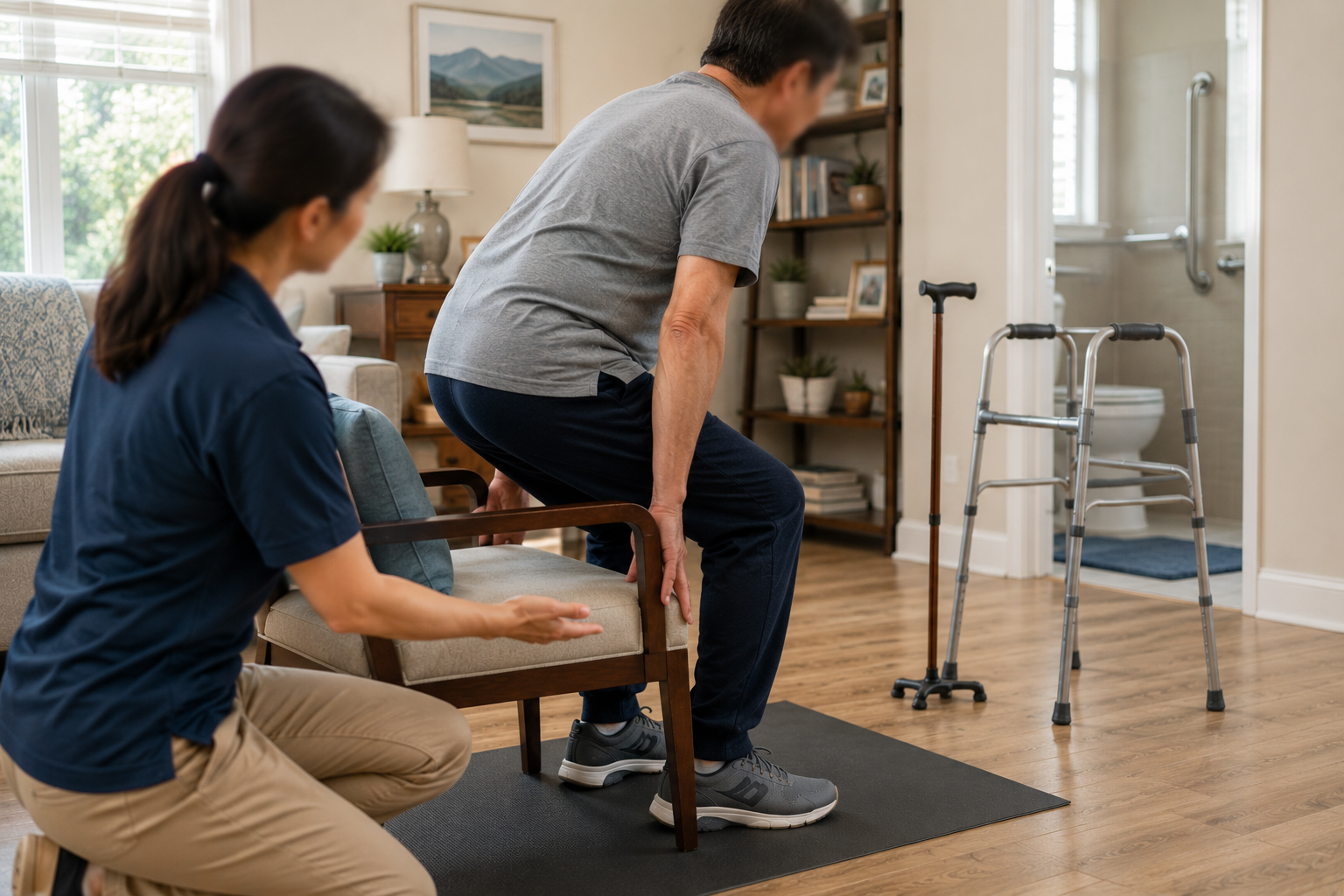
Recovering mobility at home after a medical episode requires realistic planning and gradual progression. Small, consistent actions build strength, balance, and confidence without overwhelming the body. Prioritizing safety, pacing, and appropriate supports reduces setback risk and encourages independence. This guide outlines practical, evidence-informed steps you can take in a typical home setting.
Assessing Your Home Environment
Begin by surveying common areas for obstacles that impede movement or increase fall risk. Look for loose rugs, cluttered pathways, poor lighting, and furniture that does not provide stable support when standing or transferring. Assess flooring transitions and bathroom safety, since these are frequent sites of slips and strain. Identifying hazards early allows simple fixes that significantly lower injury risk.
- Clear pathways and secure rugs with non-slip pads.
- Install grab bars near toilets and in showers if balance is limited.
- Ensure adequate lighting in hallways and stairways.
Making targeted adjustments creates a safer environment for practicing movement. These changes also reduce anxiety and promote more frequent, confident activity.
Progressive Mobility Exercises
Structured, progressive exercises restore strength and functional range of motion without overloading healing tissues. Start with gentle range-of-motion and breathing exercises, then add seated or supported standing tasks to challenge balance gradually. Incorporate short sessions multiple times per day rather than prolonged workouts to respect fatigue and recovery. Always prioritize proper form and pain-free progression, increasing difficulty only when movements feel controlled.
Consistency matters more than intensity during recovery phases. Track simple milestones like standing durations or step counts to measure improvement and stay motivated.
Managing Pain and Energy
Effective recovery balances activity with rest and sensible pain management strategies. Use pacing techniques: alternate brief activity bouts with planned rest periods and prioritize tasks that matter most to daily independence. Nonpharmacological approaches such as ice, heat, or gentle massage can complement prescribed treatments when appropriate. Communicate changes in pain or endurance with a care provider to adjust the plan safely.
Listening to your body helps prevent setbacks and supports steady progress. Adjust expectations and celebrate incremental gains to maintain momentum.
Support and Safety Strategies
Engage helpers, whether family, friends, or professional caregivers, to assist with challenging tasks and to provide encouragement. Simple assistive devices—like a stable cane or reacher—can extend independence while reducing strain. Develop a plan for emergencies and ensure easy access to a phone or alert device during early recovery stages.
- Identify a regular helper for errands or supervision during exercises.
- Keep frequently used items within easy reach to avoid unnecessary reaching or bending.
- Consider a routine check-in system if living alone.
Combining practical support with environmental and exercise strategies builds a foundation for safer, more confident movement. Incremental improvements add up to meaningful independence.
Conclusion
Recovery at home succeeds when safety, gradual progression, and support are prioritized.
Small, consistent steps restore strength and reduce risk over time.
Monitor progress and adapt the plan to match your pace and needs.