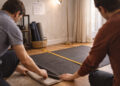
Creating a safer home workout environment starts with a clear assessment of hazards and realistic modifications. Small, consistent changes dramatically lower the likelihood of slips, trips, and overuse injuries. This article outlines practical steps you can implement without expensive equipment or major renovations. The focus is on simple actions that improve safety and support long-term adherence.
Assess your space and equipment
Begin by mapping the area where you typically exercise and note potential hazards such as loose rugs, low ceilings, or narrow walkways. Check that equipment is in good condition and suitable for your current fitness level; worn straps, unstable benches, or damaged bands increase risk. Consider the flow of movement — ensure there is room for dynamic exercises and that heavy equipment is stored securely. Regularly reassess as your routines or household layout change.
Take photos or draw a quick floor plan to identify problem spots. Share the plan with family members so everyone understands the safe setup and storage locations.
Warm-up, movement quality, and progressions
Prioritize mobility and progressive loading to prepare muscles and joints before intense efforts. A structured warm-up improves coordination and reduces sudden strain, while attention to technique limits compensatory patterns that cause overuse. Progress slowly: increase intensity, volume, or complexity by small increments and allow recovery between challenging sessions. When uncertain, choose conservative progressions that emphasize control rather than speed.
Consistent, moderate progress guards against setbacks and supports steady improvement. Focus on quality of movement over quantity to reduce cumulative stress.
Lighting, flooring, and clutter management
Optimal lighting reduces missteps and improves spatial awareness, particularly for balance or agility work. Choose non-slip, impact-absorbing flooring where possible, and remove or secure loose rugs and cords that can become trip hazards. Keep frequently used items within reach and store weights and accessories on stable racks or shelves to avoid accidental falls. Small organizational habits make a large difference in day-to-day safety.
- Use tape or adhesive to secure edges of mats and rugs.
- Designate a corner for equipment to keep walkways clear.
- Install motion or night lighting in multi-use spaces.
Routine tidying and clear sightlines create a safer atmosphere and faster cleanup. Make these tasks part of the workout checklist.
Prepare for incidents and maintain gear
Have a basic plan for minor incidents, including a small first aid kit and a charged phone nearby for emergencies. Inspect equipment periodically for wear and replace items that compromise safety, such as frayed resistance bands or unstable benches. Consider simple supports like wrist straps or non-slip gloves if needed, but avoid relying on aids to mask poor technique. Maintenance and preparedness reduce the impact of unavoidable mishaps.
Log maintenance checks and set reminders for replacements to keep standards high. Cultivating small routines around gear care pays off in fewer interruptions and safer sessions.
Conclusion
Small, intentional changes to your home exercise setup yield meaningful safety gains.
Prioritize space assessment, movement quality, and basic maintenance routines to reduce risk.
These practices help you train consistently and confidently at home.