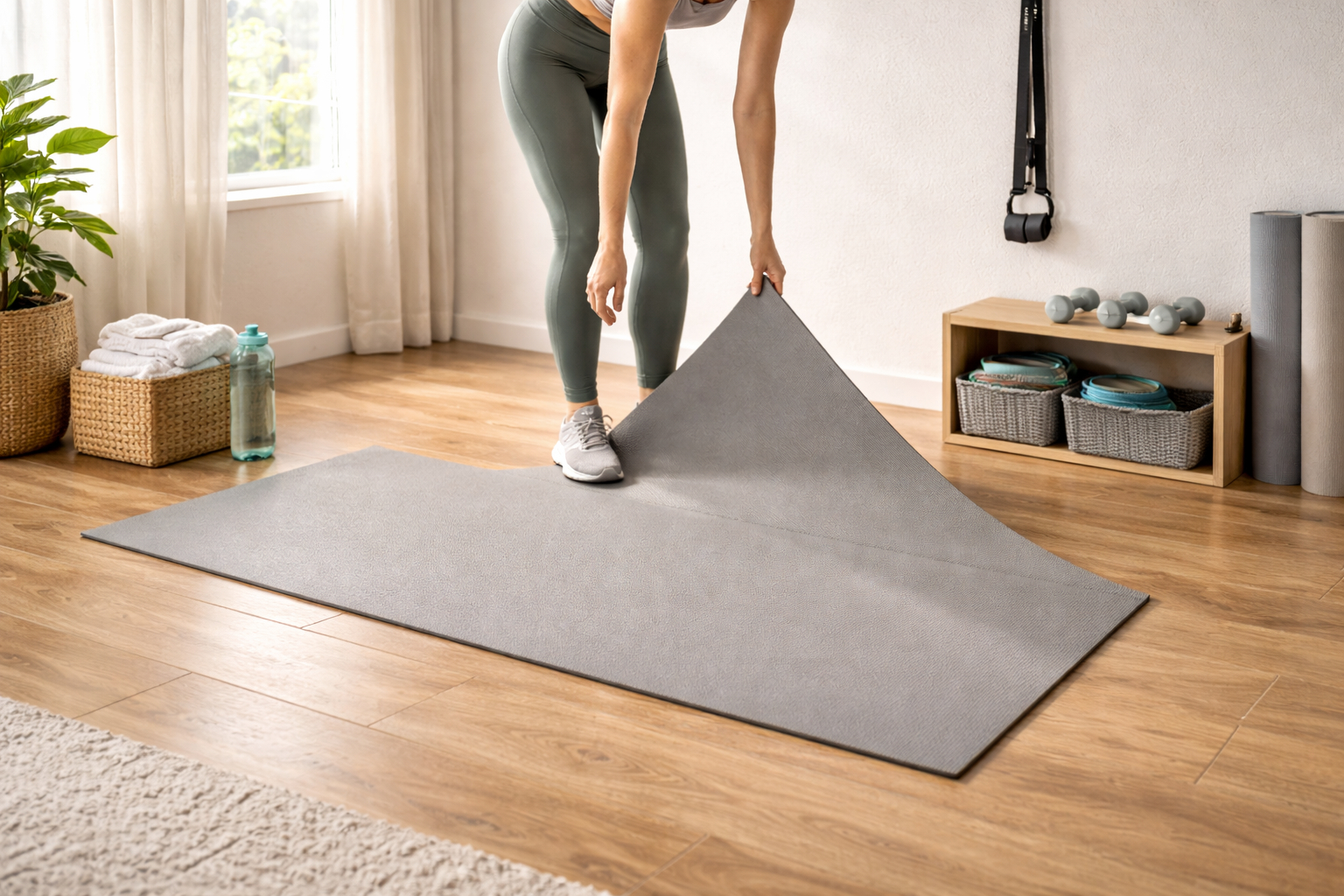
Designing a safe environment for home exercise reduces the chance of common slips, strains, and collisions. Thoughtful layout, suitable surfaces, and clear traffic paths help exercises feel more effective and less risky. Small adjustments to lighting, footwear choices, and storage settings can make routines safer and more sustainable. This article outlines practical steps to prepare your space for regular, low-risk workouts.
Assessing Your Exercise Area
Begin by identifying a dedicated zone that offers enough room for movement and breathing space around you. Measure available floor area and visualize the exercises you intend to do to ensure unobstructed motion patterns. Check for nearby furniture, loose rugs, and low-hanging fixtures that could interfere with equipment or cause tripping. Evaluate ventilation and lighting, as clearer visibility and fresh air contribute to concentration and balance.
After assessing, prioritize changes that reduce immediate hazards and improve comfort. Rearranging a few items often creates a safer, more inviting practice area in minutes.
Choosing Safe Equipment and Flooring
Select equipment that matches your fitness level and the space constraints; oversized gear in a tight area increases the risk of accidents. Opt for stable, well-maintained items and replace worn straps, loose bolts, or frayed bands before use. For flooring, choose surfaces that offer grip and shock absorption—avoid slippery tiles or dense rugs that shift underfoot. Remember that lighter, multi-purpose tools are often safer in a home setting than heavy, complex machines.
- Use non-slip mats under free weights and yoga areas.
- Store small items on shelves to keep walkways clear.
- Anchor taller equipment to prevent tipping where possible.
Investing in a few quality pieces and addressing the floor beneath your workouts go a long way toward reducing injury risk. Regular inspection and simple upgrades provide ongoing safety benefits without major expense.
Establishing Routines and Awareness
Create a warm-up and cool-down routine that suits the space and the workout intensity to prepare joints and muscles. Wear appropriate shoes or barefoot when the surface supports it, and maintain hydration and short breaks to avoid fatigue-related mishaps. Use mirrors or a phone recording to check form and avoid common compensations that lead to overuse injuries. If others share the space, set clear times and boundaries to prevent interruptions and collisions.
Consistency in habits and mindful pacing are key to staying safe over the long term. A simple checklist before each session helps maintain awareness and reduce preventable incidents.
Conclusion
A few thoughtful changes to layout, equipment, and routine significantly lower home workout risks. Prioritize clear space, stable surfaces, and appropriate gear to support safe movement patterns. Regular review and simple habits make home exercise both effective and sustainable.