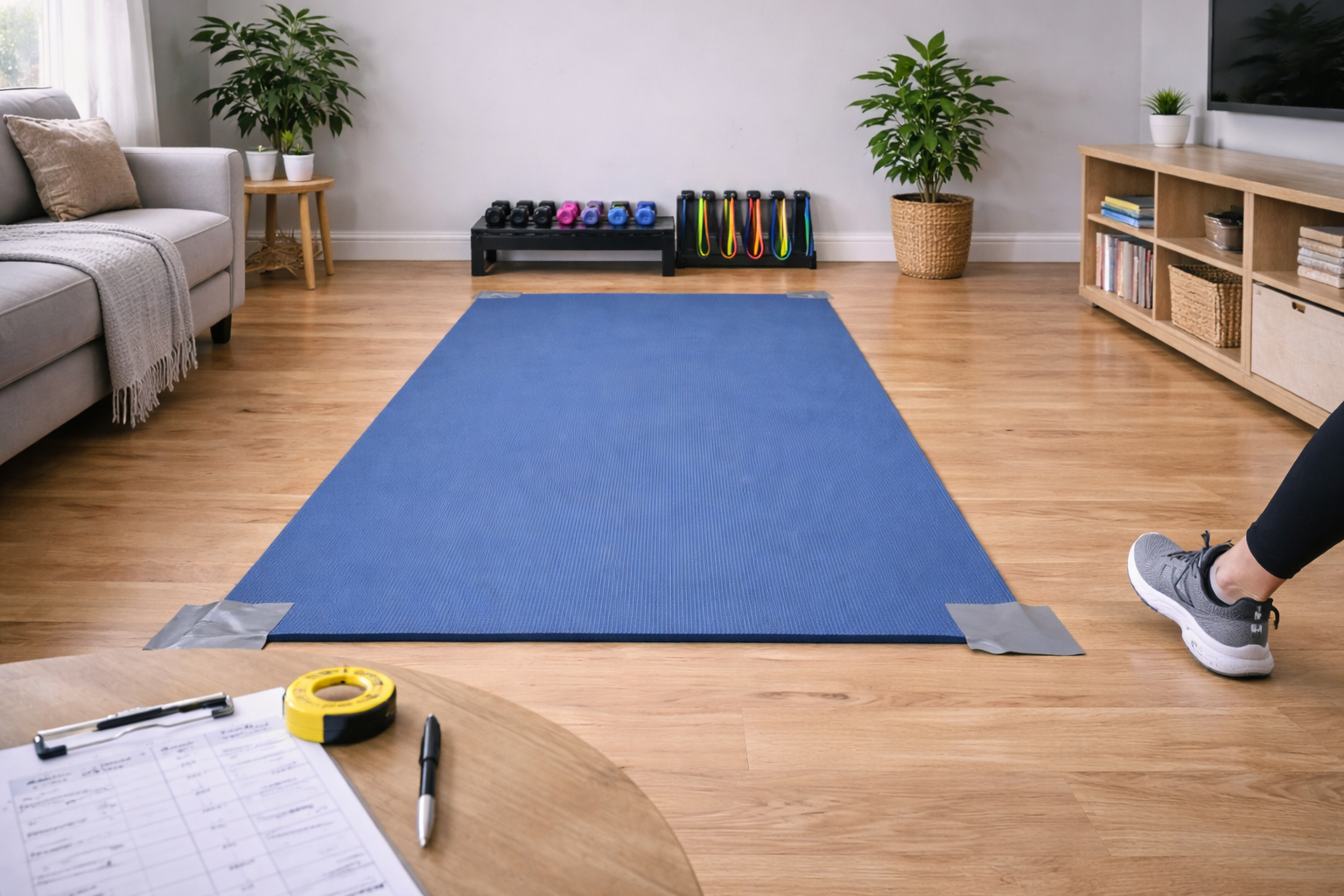
Designing a home exercise area that minimizes injury risk starts with thoughtful planning and small, consistent changes. A clear, well-lit space, stable equipment, and attention to movement patterns all reduce hazards and support long-term adherence. This article outlines practical steps to evaluate your space, position gear, and structure workouts so they are effective and safe. Implementing these ideas can make home training more sustainable and less stressful.
Assessing Your Space
Begin by evaluating the available room in realistic terms: measure clear floor space, ceiling height, and any tripping hazards such as loose rugs or cords. Consider traffic flow and the proximity of furniture that could obstruct movements or become a collision risk during dynamic drills. Good lighting and ventilation improve focus and reduce dizziness or missteps during exercise. Taking a few photos or sketching the layout helps you plan where to place equipment and pathways.
After mapping the area, prioritize the most frequent activities and allocate space accordingly. If space is limited, choose multiuse zones and foldable or mobile gear that can be stowed between sessions.
Essential Equipment and Placement
Select durable, appropriately sized equipment that suits your fitness level and spatial constraints. For example, smaller free weights, resistance bands, and compact cardio machines provide variety without overwhelming a room. Place heavy or tall items against walls on non-slip surfaces and keep clear margins around equipment so you can move safely. Use storage solutions like racks or bins to keep accessories off the floor and visible.
- Keep a stable mat for floor work and an easy grip surface for standing exercises.
- Anchor taller equipment and check regularly for wear or loosened fasteners.
Routine inspections and sensible placement reduce unexpected failures and create a predictable environment that supports safe training habits.
Warm-Up, Movement Patterns, and Flow
Design workouts that include progressive warm-ups targeting mobility and joint preparation to lower injury risk. Structure sequences to move from controlled to more dynamic activities, and build in transitions that allow adequate space for each exercise. Emphasize form and controlled tempo over speed or load, particularly when training alone at home. Recorded demonstrations or mirrors can help maintain technique without a trainer present.
Plan circuits so equipment is staged logically to minimize abrupt direction changes and accidental impacts. Clear instructions and consistency improve both safety and performance.
Monitoring Fatigue and Recovery
Be attentive to signs of excessive fatigue, persistent soreness, or unusual joint pain; these suggest the need to modify intensity or rest. Incorporate regular cooldowns, mobility work, and rest days into weekly routines to support tissue recovery. Hydration, sleep quality, and gradual progression of load are simple but effective strategies to prevent overuse injuries. Keep a brief training log to spot patterns in pain or performance declines.
When in doubt, scale back a session and prioritize movement quality. Small adjustments prevent setbacks and sustain momentum.
Conclusion
Thoughtful space planning and consistent routines reduce home workout injuries and improve enjoyment.
Start small, inspect your setup regularly, and prioritize good form and recovery.
These practical steps make home fitness safer and more sustainable over time.